






















By Muhammad Zeb, Peshawar
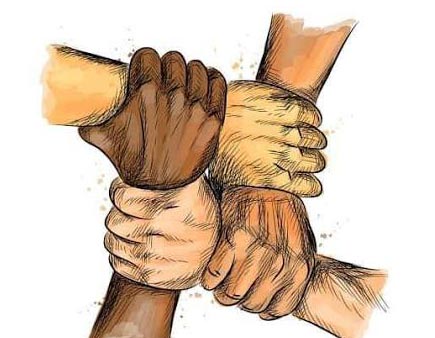
In a world increasingly divided by differences of opinion, status, wealth, religion, politics and social background, humanity remains the one value that has the power to bring people together. We may not agree on everything, but we can still understand one another, respect one another and stand beside those who need support.
Modern society has achieved remarkable progress in science, technology and communication. People can now connect with others across the world within seconds. Yet, despite this extraordinary progress, many societies continue to struggle with intolerance, injustice, discrimination and indifference toward the suffering of others.
The real progress of a society should not be measured only by its buildings, roads or economic growth. It should also be measured by how it treats its weakest members. A society becomes stronger when the poor are not ignored, when women are treated with dignity, when children are protected, when elderly people are respected and when the rights of ordinary citizens are taken seriously.
Unfortunately, we often become so occupied with our own interests that we forget the difficulties faced by others. A person may be fighting a battle that is invisible to everyone around him. A kind word, a helping hand or simply listening to someone can sometimes make a greater difference than we realize.
Humanity does not require wealth. It does not require a powerful position or a famous name. It begins with small acts of responsibility and compassion. Helping someone in difficulty, speaking against injustice, protecting the dignity of another person and refusing to remain silent when someone is being wronged are all expressions of humanity.
There is also an important responsibility on journalists, writers and public figures. Their words can influence society. Responsible journalism should not merely report what happened; it should also help people understand the human consequences of events. Truth must be pursued with courage, but it should also be presented with fairness and responsibility.
We cannot change the entire world in a single day. However, we can change the small part of the world that comes within our influence. If every individual begins by treating others with dignity, society will gradually become less hostile and more compassionate.
Our differences are natural, but our humanity is shared. We may come from different backgrounds and walk different paths, yet pain, dignity, hope and the desire for a better life are common to us all.
The greatest achievement is therefore not simply to become successful for ourselves, but to become useful to others. When humanity becomes more important than differences, society does not merely become peaceful—it becomes worthy of the people who live in it.