






















Brig Syed Karrar Hussain Retired
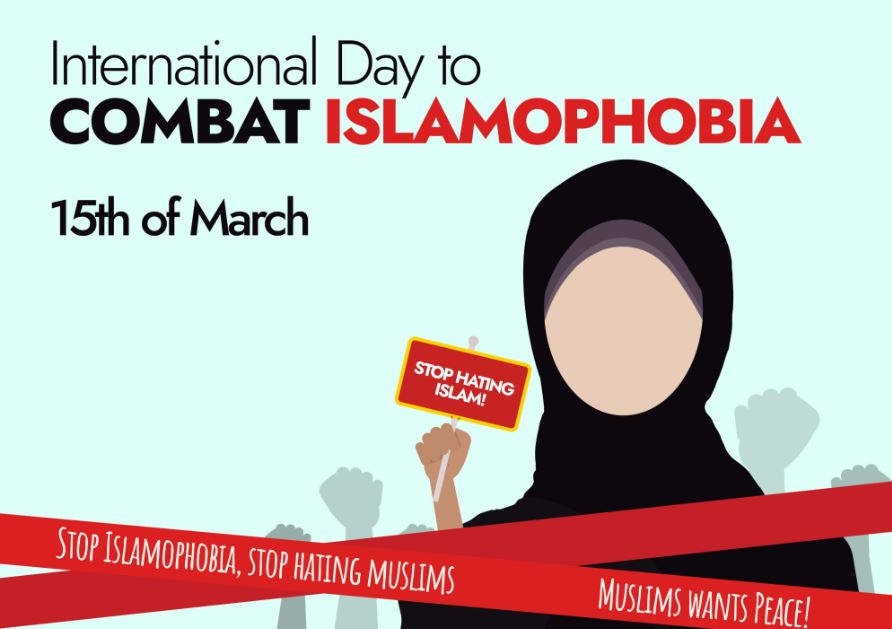
The international community observes International Day to combat Islamophobia every year on 15 March. This day was officially recognized by the United Nations in 2022 to highlight the growing discrimination, prejudice, and hostility faced by Muslims in many parts of the world. The purpose of observing this day is not only to raise awareness about the dangers of Islamophobia but also to promote respect, tolerance, peaceful coexistence, and protection of religious freedom for all communities.
Islam is one of the world’s largest religions, followed by nearly two billion people across different continents. The teachings of Islam emphasize peace, compassion, justice, and respect for humanity. However, due to political conflicts, misinformation, media bias, and extremist narratives, Islam and Muslims are sometimes portrayed unfairly. These misconceptions have led to the rise of Islamophobia, which manifests in the form of hate speech, discrimination, social exclusion, and sometimes violent attacks against Muslims and their places of worship.
The International Day to Combat Islamophobia therefore serves as a global reminder that hatred and prejudice against any religion or community is a threat to peace and harmony in the world.
Background and Importance of the Day
The establishment of International Day to Combat Islamophobia reflects growing global concern about intolerance and discrimination targeting Muslim communities. Over the past two decades, several incidents of mosque attacks, hate crimes, restrictions on religious practices, and negative stereotyping have been reported in different countries.
Recognizing these challenges, the United Nations adopted a resolution urging all nations to promote interfaith harmony, protect religious freedoms, and combat discrimination against Muslims.
The importance of this day lies in several key objectives:
1. Promoting Religious Tolerance
One of the fundamental principles of human civilization is respect for religious diversity. The observance of this day reminds people that differences in faith should not become a reason for hatred or discrimination.
2. Encouraging Dialogue Between Communities
Interfaith dialogue helps reduce misunderstandings and builds trust among different communities. When people interact and learn about each other’s beliefs, many stereotypes disappear.
3. Protecting Human Rights
Freedom of religion is a basic human right recognized by international law. Addressing Islamophobia therefore becomes part of the broader struggle for justice and equality.
4. Strengthening Global Peace
Hatred based on religion often fuels conflict and instability. Promoting mutual respect among different faith communities contributes to long-term peace and social stability.
Dangers of Islamophobia if Not Controlled
If Islamophobia continues to spread unchecked, it can create serious social, political, and humanitarian consequences.
1. Social Division and Polarization
Islamophobia divides societies into opposing groups and weakens social cohesion. When a community is marginalized or treated unfairly, feelings of mistrust and resentment increase.
2. Rise in Hate Crimes
Discrimination can escalate into violence. Mosques, Islamic centers, and Muslim individuals have sometimes been targets of hate crimes in different parts of the world.
3. Political Exploitation
In some cases, extremist political groups exploit religious fears to gain support. Such strategies create further divisions in society and weaken democratic values.
4. Damage to Global Peace
Islamophobia can damage relations between countries and communities. Misunderstandings between cultures may lead to tensions that affect international cooperation.
5. Psychological Impact on Muslim Communities
Continuous discrimination and negative stereotyping can harm the mental and emotional well-being of Muslim individuals, especially young people growing up in multicultural societies.
For these reasons, the international community must treat Islamophobia as a serious challenge that requires collective action.
Actions Required from Governments
Governments around the world have a major responsibility in preventing discrimination and protecting the rights of all citizens.
1. Enacting Strong Anti-Discrimination Laws
Legal frameworks should clearly prohibit hate crimes, religious discrimination, and incitement to violence against any community.
2. Protecting Religious Freedom
Governments must ensure that individuals can freely practice their religion, including the construction of mosques and the observance of religious traditions.
3. Promoting Interfaith Dialogue
Public institutions should encourage dialogue between religious communities through conferences, educational programs, and cultural exchanges.
4. Monitoring Hate Speech
Authorities should monitor hate speech and misinformation that spread through social media or extremist groups.
5. Encouraging Responsible Media Reporting
Media organizations should be encouraged to present balanced and accurate information about Islam and Muslims, avoiding stereotypes or sensationalism.
Role of Religious Scholars
Religious scholars and community leaders play a crucial role in promoting peace and understanding.
1. Promoting the True Teachings of Religion
Scholars should highlight the peaceful teachings of Islam, emphasizing compassion, justice, and coexistence with other communities.
2. Encouraging Interfaith Harmony
Religious leaders should engage in dialogue with scholars from other faiths to strengthen mutual respect and understanding.
3. Rejecting Extremism
It is important for scholars to clearly condemn all forms of extremism and violence carried out in the name of religion.
4. Educating Communities
Through sermons, lectures, and community programs, scholars can educate people about tolerance, patience, and the importance of respecting diversity.
Responsibilities of parents, teachers, and political leaders
The fight against Islamophobia also requires efforts from those who shape public attitudes and future generations.
Parents
Parents should teach their children the values of respect, kindness, and acceptance of people from different cultures and religions.
Teachers
Educational institutions play an important role in shaping young minds. Teachers should include lessons about religious diversity, cultural history, and peaceful coexistence in their teaching.
Political Leaders
Political leaders must avoid using religion as a tool for political gain. Instead, they should promote unity, national harmony, and respect for minority rights.
Responsible leadership can help prevent the spread of hatred and misinformation.
Responsibilities of Individuals
Every individual has a role in promoting tolerance and rejecting prejudice.
1. Seeking Knowledge
People should make an effort to learn about different religions and cultures rather than relying on stereotypes or misinformation.
2. Rejecting Hate Speech
Individuals should not participate in spreading hateful messages or misinformation, especially on social media platforms.
3. Supporting Justice and Equality
Standing against discrimination and supporting victims of hate crimes is an important moral responsibility.
4. Promoting Dialogue
Engaging in respectful conversations with people from different backgrounds helps build bridges of understanding.
5. Practicing the Values of Humanity
Kindness, compassion, and respect are universal values shared by all religions and cultures. By practicing these values in daily life, individuals contribute to a more peaceful society.
The Way Forward
Combating Islamophobia requires collective efforts from governments, religious leaders, educators, media organizations, and ordinary citizens. It is not merely a Muslim issue; it is a matter of protecting human dignity and promoting global peace.
Educational programs, responsible media practices, and interfaith dialogue can significantly reduce misunderstandings about Islam. At the same time, strong legal measures against hate crimes and discrimination are necessary to protect vulnerable communities.
International cooperation is also essential. Countries should work together through institutions such as the United Nations to address religious intolerance and promote cultural harmony.
Conclusion
The observance of International Day to Combat Islamophobia reminds the world that hatred and prejudice against any religion threaten the foundations of peace and justice. Islam, like other faiths, teaches respect for humanity and encourages peaceful coexistence.
To build a more harmonious world, societies must reject stereotypes, promote understanding, and ensure that every individual enjoys the fundamental right to practice their faith without fear or discrimination.
Through responsible governance, enlightened religious leadership, ethical media practices, and the commitment of ordinary citizens, the global community can successfully confront Islamophobia and strengthen the values of tolerance, dignity, and mutual respect for all.