






















By Brig Syed Karrar Hussain Retired
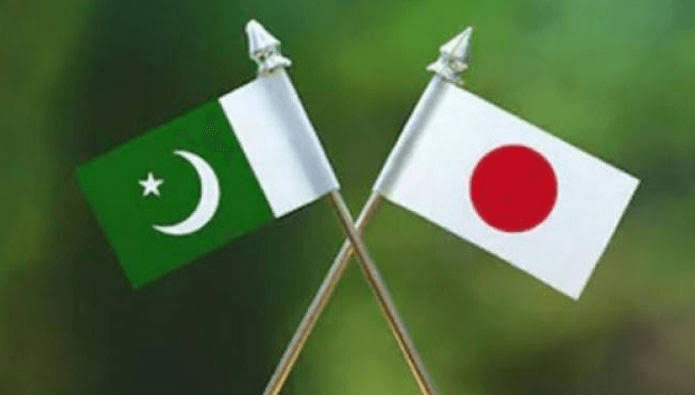
The celebration of the 74th anniversary of diplomatic relations between Pakistan and Japan is not merely a ceremonial milestone; it is a moment of reflection on a long-standing partnership built on mutual respect, economic cooperation, and shared aspirations for peace and development. Over more than seven decades, both nations have cultivated a relationship that has withstood global transformations and continues to evolve in response to contemporary challenges and opportunities.
Historical Background of Pakistan–Japan Relations
Pakistan and Japan formally established diplomatic relations in 1952 at a time when both countries were navigating the complexities of post-war reconstruction and state-building. Japan, emerging from the devastation of the Second World War, was embarking on a remarkable journey of economic recovery. Pakistan, a newly independent state, was laying the foundations of its political, economic, and security structures.
From the outset, the relationship was marked by goodwill and cooperation. Japan extended economic and technical assistance to Pakistan, contributing significantly to infrastructure development, industrial growth, and human resource capacity building. Over the decades, Japanese support through agencies like JICA has played a pivotal role in projects related to energy, transportation, health, and education in Pakistan.
High-level exchanges, parliamentary interactions, and people-to-people contacts have further strengthened bilateral ties. Japan has consistently supported Pakistan in times of natural disasters, while Pakistan has extended diplomatic support to Japan on international forums. This mutual understanding has been the cornerstone of a stable and enduring relationship.
Strength of Japan in Import and Export
Japan stands among the world’s leading trading nations, with a highly sophisticated and diversified economy. Despite limited natural resources, Japan has become a global powerhouse in exports, driven by its advanced manufacturing sector.
Japan’s export strength lies in high-value, technology-driven products such as automobiles, machinery, electronics, and precision instruments. Renowned Japanese brands have established a global reputation for quality, reliability, and innovation. The country’s ability to maintain a strong export base is rooted in its emphasis on research and development, continuous improvement (Kaizen), and strict quality control standards.
On the import side, Japan relies heavily on raw materials, energy resources, and food products due to its limited domestic availability. It imports oil, natural gas, coal, and various industrial inputs, ensuring a steady supply chain to support its industrial base. This balanced approach—importing raw materials and exporting high-value finished goods—has enabled Japan to sustain its economic growth and maintain a favorable position in global trade.
Reasons Behind Japan’s Emergence as a Major Economy
Japan’s rise as one of the world’s largest economies is often referred to as an economic miracle. Several key factors have contributed to this transformation.
First and foremost is Japan’s commitment to education and human capital development. A highly skilled, disciplined, and innovative workforce has been the backbone of its economic success.
Secondly, Japan adopted a long-term strategic vision focused on industrialization and technological advancement. Government policies, in coordination with the private sector, promoted key industries, encouraged exports, and facilitated technological innovation.
Another critical factor is Japan’s culture of discipline, punctuality, and collective responsibility. The emphasis on teamwork and national interest has enabled efficient execution of policies and projects.
Furthermore, Japan invested heavily in research and development, making it a global leader in innovation. From robotics to automotive engineering, Japanese industries have consistently remained at the forefront of technological progress.
Finally, political stability and effective governance have ensured continuity in policies, fostering a conducive environment for economic growth and foreign investment.
Pakistan’s Strength in Military and Diplomatic Domains
Pakistan possesses significant strengths in both military capability and diplomatic engagement, which contribute to its strategic importance in the region and beyond.
Pakistan’s armed forces are among the most professional and capable in the world. With extensive experience in both conventional and counter-terrorism operations, the military has demonstrated resilience, discipline, and operational effectiveness. Pakistan’s strategic deterrence capability further enhances its defense posture, ensuring national security in a challenging regional environment.
In addition, Pakistan has played a vital role in United Nations peacekeeping missions, earning international recognition for its contributions to global peace and stability. These efforts reflect the country’s commitment to international cooperation and humanitarian values.
On the diplomatic front, Pakistan maintains a balanced and pragmatic foreign policy. It has successfully managed relationships with major global powers while advocating for peace and stability in South Asia and beyond. Pakistan’s role in facilitating dialogue and promoting regional connectivity highlights its diplomatic significance.
Moreover, Pakistan’s geostrategic location—connecting South Asia, Central Asia, and the Middle East—positions is a key player in regional trade and energy corridors.
Recommendations for Strengthening Pakistan–Japan Relations
While Pakistan and Japan share a strong foundation of cooperation, there is immense potential to further enhance their relationship in the years ahead. The following recommendations may serve as a roadmap for deeper engagement:
1. Enhancing Economic Cooperation
Both countries should focus on expanding bilateral trade and investment. Pakistan can offer opportunities in sectors such as textiles, agriculture, information technology, and energy, while Japan can contribute advanced technology and capital investment. Establishing special economic zones with Japanese collaboration can further boost industrial growth.
2. Industrial and Technological Collaboration
Japan’s expertise in technology and innovation can significantly benefit Pakistan’s industrial sector. Joint ventures in manufacturing, automation, and renewable energy can help Pakistan modernize its economy while providing Japan with new markets.
3. Human Resource Development
Expanding educational exchanges, scholarships, and vocational training programs can strengthen people-to-people ties. Pakistani youth can benefit from Japan’s advanced education system and work culture while contributing to Japan’s workforce needs.
4. Defense and Security Cooperation
Although Japan maintains a pacifist stance, there is scope for collaboration in areas such as disaster management, maritime security, and capacity building. Joint training programs and exchange of expertise can enhance mutual understanding.
5. Cooperation in Regional and Global Forums
Pakistan and Japan should continue to support each other in international forums such as the United Nations. Collaboration on global issues like climate change, sustainable development, and peacekeeping can further strengthen their partnership.
6. Tourism and Cultural Exchange
Promoting tourism and cultural exchanges can deepen mutual understanding. Both countries have rich cultural heritages that can attract visitors and foster goodwill among their people.
7. Improving Investment Climate
Pakistan should continue to improve its business environment by ensuring policy consistency, transparency, and ease of doing business. This will encourage greater Japanese investment and long-term partnerships.
Conclusion
As Pakistan and Japan celebrate 74 years of diplomatic relations, the partnership stands as a testament to enduring friendship and mutual respect. Japan’s economic strength and technological advancement, combined with Pakistan’s strategic importance and growing potential, create a powerful synergy for future cooperation.
By building on existing foundations and exploring new avenues of collaboration, both nations can elevate their relationship to new heights. The journey ahead offers opportunities not only for economic growth but also for contributing to regional stability and global prosperity.
The 74th anniversary is not just a reflection of the past—it is a promise for a stronger, more dynamic partnership in the future.