













(www.thenewslark.com)

(By: Fariha Aqib)
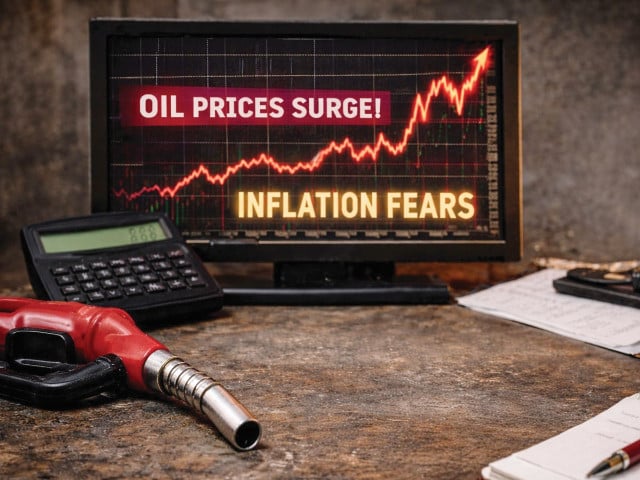
Pakistan is currently facing significant economic challenges, and one of the major reasons is the continuous increase in petrol and diesel prices. Fuel is essential for transportation, industry, and agriculture, therefore any rise in fuel prices directly affects the entire economy and increases the cost of living for ordinary citizens.
In March 2026, the Government of Pakistan announced a record increase of Rs55 per litre in the prices of petrol and high-speed diesel due to rising global oil prices. After this increase, the price of petrol reached approximately Rs321.17 per litre, while high-speed diesel rose to about Rs335.86 per litre. This sudden increase placed heavy pressure on transportation, businesses, and household expenses across the country. �
Pakistan Today +1
Fuel prices play a crucial role in Pakistan’s economy because the country heavily depends on imported oil. When petrol and diesel become expensive, transportation costs increase. As trucks and delivery vehicles carry food and goods from rural areas to cities, the rise in fuel prices also causes an increase in the prices of vegetables, flour, fruits, and other essential items.
The impact of rising fuel prices is not limited to transportation alone. Industries also face higher production costs because factories depend on electricity and fuel to run their machinery. As a result, companies increase the prices of their products, which further contributes to inflation and makes daily life more difficult for citizens.
Recent global events have also affected Pakistan’s fuel prices. International tensions and disruptions in oil supply have caused global oil prices to increase sharply. Due to these pressures, the Pakistani government has introduced austerity measures to reduce fuel consumption and manage economic pressure. These measures include reducing government fuel allowances, limiting the use of official vehicles, and encouraging work-from-home policies in some sectors. �
Reuters
The rising cost of living has become a major concern for many Pakistani families. Middle-income and lower-income households are struggling to manage expenses such as food, transportation, education, and healthcare. Small businesses are also facing difficulties because higher operating costs reduce profits and slow economic growth.
Despite these challenges, Pakistan has the potential to overcome its economic difficulties. By promoting local industries, investing in renewable energy, strengthening exports, and improving economic planning, the country can reduce its dependence on imported fuel and build a more stable economy.
In conclusion, the sharp increase in petrol and diesel prices has become one of the most serious economic challenges in Pakistan today. With petrol prices exceeding Rs320 per litre and diesel above Rs335 per litre, the effects are being felt across all sectors of society. Effective economic policies and long-term planning will be essential to reduce inflation, support businesses, and improve the economic conditions of the people of Pakistan.