






















By Brig Syed Karrar Hussain Retired
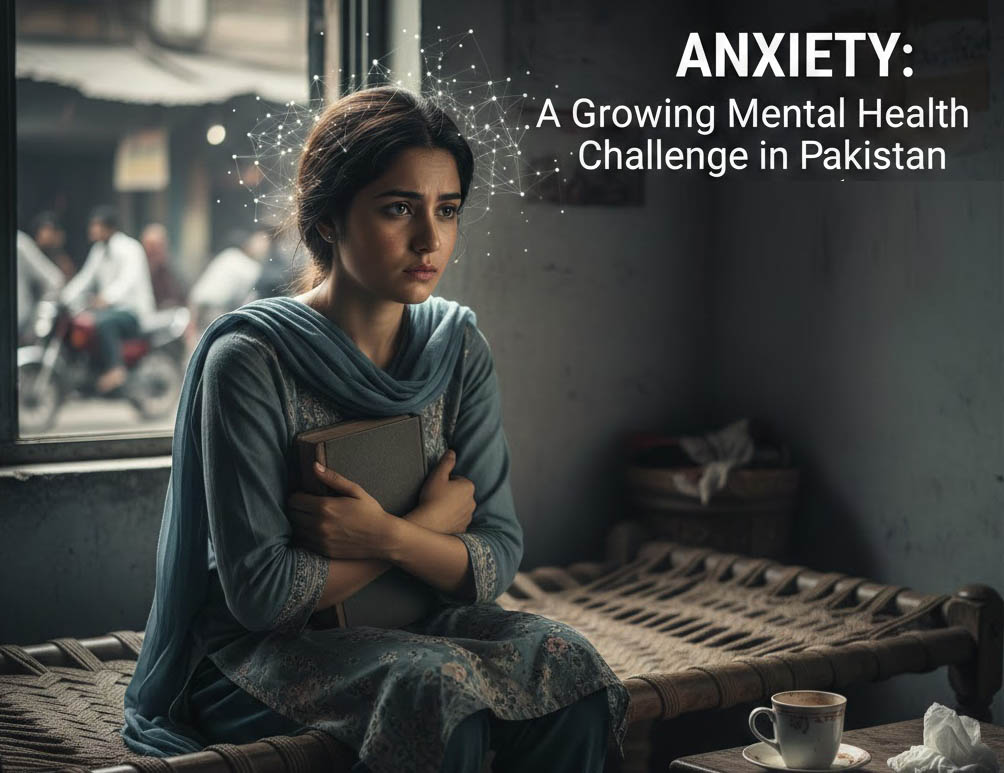
In today’s fast-paced and uncertain world, mental health challenges are increasing at an alarming rate. Among these, anxiety stands out as one of the most common yet misunderstood psychological conditions. Economic instability, social pressures, political uncertainty, technological overload, and personal struggles have significantly contributed to rising anxiety levels across societies. In Pakistan, as in many developing nations, anxiety is becoming a silent epidemic that requires urgent attention from individuals, families, employers, and policymakers.
Definition of Anxiety
Anxiety is a natural emotional response to stress, danger, or uncertainty. It is characterized by feelings of worry, nervousness, fear, or unease about future events. In moderate amounts, anxiety is normal and even helpful—it prepares individuals to respond to challenges, improves alertness, and enhances performance.
However, when anxiety becomes excessive, persistent, and disproportionate to the actual situation, it turns into an anxiety disorder. Anxiety disorders interfere with daily functioning, relationships, work productivity, and physical health.
Common types of anxiety disorders include:
Generalized Anxiety Disorder (GAD) – persistent and excessive worry about various aspects of life
Panic Disorder – sudden episodes of intense fear (panic attacks)
Social Anxiety Disorder – fear of social situations or public interaction
Specific Phobias – irrational fear of particular objects or situations
Obsessive-Compulsive Disorder (OCD) – intrusive thoughts and repetitive behaviors
Causes of Anxiety
Anxiety is rarely caused by a single factor. It usually develops due to a combination of biological, psychological, and environmental influences.
1. Biological and Genetic Factors
Research indicates that anxiety can run in families. Chemical imbalances in brain neurotransmitters such as serotonin, dopamine, and norepinephrine may contribute to anxiety disorders.
2. Psychological Factors
Individuals with low self-esteem, perfectionist tendencies, or negative thinking patterns are more vulnerable. Past trauma—such as abuse, accidents, war exposure, or loss of a loved one—can also trigger chronic anxiety.
3. Social and Economic Pressures
Unemployment, inflation, poverty, political instability, and social insecurity are major stressors. In Pakistan, economic uncertainty and rising living costs significantly contribute to mental stress.
4. Lifestyle Factors
Lack of sleep, poor diet, excessive caffeine intake, lack of physical activity, and substance abuse (including nicotine and drugs) worsen anxiety symptoms.
5. Medical Conditions
Certain medical illnesses such as thyroid disorders, heart disease, diabetes, and chronic pain conditions may increase anxiety levels. Some medications can also produce anxiety-like symptoms.
Symptoms of Anxiety
Anxiety affects both mind and body. Common symptoms include:
Persistent worry and fear
Restlessness and irritability
Rapid heartbeat
Shortness of breath
Sweating and trembling
Difficulty concentrating
Sleep disturbances
Fatigue
Digestive problems
Avoidance of certain situations
If these symptoms persist for weeks or months and interfere with normal life, professional help is necessary.
Prevalence of Anxiety in Pakistan vs Other Countries
Situation in Pakistan
Mental health problems in Pakistan are highly prevalent but underreported due to stigma and lack of awareness.
It is estimated that approximately 30–35% of Pakistan’s population experiences some form of anxiety or depression during their lifetime.
Women are affected more frequently than men due to social pressures, domestic responsibilities, and limited access to support systems.
Pakistan faces a severe shortage of mental health professionals. There are only a few hundred qualified psychiatrists for a population exceeding 240 million.
Rural areas have extremely limited mental health facilities.
Economic crises, terrorism in past decades, natural disasters such as floods, and social instability have further increased psychological distress.
Global Comparison
According to global health estimates:
Around 1 in 5 people worldwide experiences a mental health condition at some stage in life.
Anxiety disorders affect approximately 4% of the global population at any given time.
In the United States, nearly 18% of adults suffer from anxiety disorders annually.
In European countries, prevalence rates range between 10–20% depending on reporting standards.
While developed countries may show higher reported numbers, this is largely due to better diagnosis systems. In developing countries like Pakistan, the real numbers may be similar or higher but remain underdiagnosed.
Treatment and Cure
The good news is that anxiety is treatable, and in many cases, manageable with proper intervention.
1. Psychotherapy (Talk Therapy)
The most effective psychological treatment is Cognitive Behavioral Therapy (CBT). CBT helps individuals:
Identify negative thought patterns
Replace irrational fears with realistic thinking
Develop coping strategies
Improve emotional regulation
Other therapies include exposure therapy, mindfulness-based therapy, and supportive counseling.
2. Medications
Medication should always be prescribed by a qualified psychiatrist. Common categories include:
Selective Serotonin Reuptake Inhibitors (SSRIs) – often first-line treatment
Serotonin-Norepinephrine Reuptake Inhibitors (SNRIs)
Benzodiazepines – for short-term relief of severe symptoms
Beta-blockers – for physical symptoms like rapid heartbeat
Medications are usually more effective when combined with therapy.
3. Lifestyle Modifications
Regular physical exercise (at least 30 minutes daily)
Balanced diet
Adequate sleep (7–9 hours)
Limiting caffeine and sugar
Practicing deep breathing exercises
Meditation and prayer
Time management techniques
In many mild cases, lifestyle correction alone significantly reduces anxiety.
Suggestions to Reduce Anxiety
Anxiety management requires a multi-level approach. Below are recommendations for different stakeholders.
For the Patient
1. Accept that anxiety is a medical condition, not a weakness.
2. Seek professional help early.
3. Practice relaxation techniques daily.
4. Maintain social connections.
5. Avoid self-medication or substance abuse.
6. Set realistic goals and avoid perfectionism.
7. Engage in spiritual or mindfulness practices if personally meaningful.
For the Family
1. Provide emotional support without judgment.
2. Listen patiently rather than offering criticism.
3. Encourage professional consultation.
4. Reduce household stress and conflicts.
5. Avoid labeling the person as “weak” or “overreacting.”
Family understanding can significantly accelerate recovery.
For Employers
Workplace stress is a major contributor to anxiety.
1. Introduce mental health awareness programs.
2. Provide flexible working hours when possible.
3. Avoid unrealistic performance pressure.
4. Establish employee counseling services.
5. Encourage regular breaks and healthy work environments.
Organizations that support mental health benefit from increased productivity and employee loyalty.
For the Government
1. Increase funding for mental health services.
2. Establish mental health units in primary healthcare centers.
3. Launch national awareness campaigns to reduce stigma.
4. Increase the number of trained psychiatrists and psychologists.
5. Introduce mental health education in school curricula.
6. Develop tele-mental health services for rural populations.
Mental health must be integrated into national health policy as a priority area.
Conclusion
Anxiety is not merely a passing emotion; it is a serious mental health condition affecting millions globally and a significant portion of Pakistan’s population. Left untreated, it reduces productivity, damages relationships, and weakens national human capital. However, with timely diagnosis, proper treatment, social support, and government commitment, anxiety can be effectively managed.
Pakistan, like many nations, must break the stigma surrounding mental illness and treat mental health with the same seriousness as physical health. A healthy nation is not only economically strong but mentally resilient.
Addressing anxiety requires a collective effort—from the individual to the state. If we invest in awareness, compassion, and professional care, we can build a society where mental well-being becomes a shared responsibility and a national priority.