






















By Brig Syed Karrar Hussain Retired
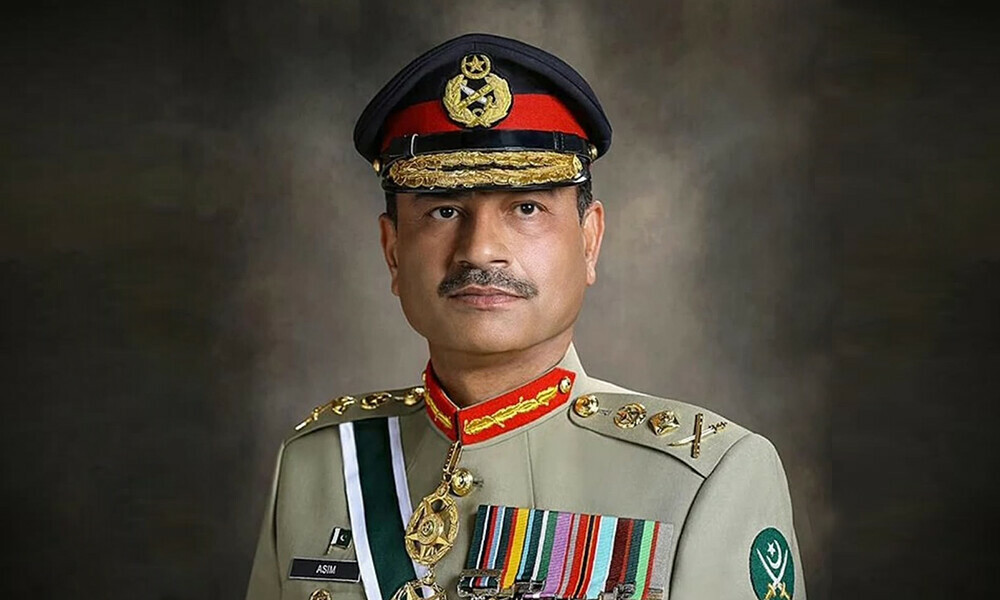
The appointment of Field Marshal Hafiz Syed Asim Munir as Pakistan’s first Chief of Defence Forces (CDF) marks a defining moment in the country’s strategic and military evolution. It is not merely a change of rank or designation; it is the beginning of a new defence architecture designed to respond to modern threats, hybrid warfare, regional instability, and emerging military realities. At a time when Pakistan is navigating one of the most complex security environments in its history, this appointment carries deep national, diplomatic, and strategic significance.
Field Marshal Asim Munir’s career has been shaped by discipline, dedication, and an uncompromising commitment to the security and sovereignty of Pakistan. His experience as DG ISI, DG MI, Corps Commander, Army Chief, and now CDF provides him unparalleled insight into both warfighting and statecraft. With changing regional dynamics, especially after the Pakistan-India conflict of May 2025, and the evolving situation on the western front with Afghanistan, Pakistan needs integrated leadership of the kind the newly created CDF can deliver.
Background: Why Pakistan Needed a Chief of Defence Forces
Modern warfare no longer revolves around traditional military battles alone. The threats Pakistan faces today are multi-domain:
Hybrid warfare
Cyber attacks
Information manipulation
Hostile intelligence activities
Economic pressure
Cross-border terrorism
Fifth-generation warfare
Space and drone-based conflict
To respond effectively, Pakistan required a structure where all three services — Army, Navy, and Air Force — could operate under unified strategic command, ensuring quicker decisions and coordinated defensive as well as offensive actions. The CDF post answers that requirement.
Field Marshal Asim Munir, with decades of command, intelligence, and diplomatic experience, is the most suitable leader to assume this historic role.
Challenges of Pakistan After the Pakistan-India War of May 2025
The short but intense Pakistan-India conflict of May 2025 reshaped the regional strategic landscape. Although Pakistan successfully defended its territorial integrity and maintained deterrence, the war highlighted several enduring challenges:
1. Indian Military Modernisation
India continues to invest heavily in:
Hypersonic missiles
Fifth-generation aircraft
Naval expansion in the Arabian Sea
Intelligence and satellite warfare
Cyber operations
Artificial-intelligence-based combat systems
Its ambition of regional dominance means Pakistan must maintain a strong, technologically capable defence posture.
2. LOC and Border Volatility
After the May 2025 conflict, cross-border firing and intelligence activities intensified. India stepped up attempts at:
Limited incursions
Surveillance through drones
Cyber probing
Propaganda warfare
Diplomatic pressure
Pakistan needs integrated decision-making to counter multi-front threats.
3. Strategic Competition in the Indian Ocean
India’s strategic alliance with major naval powers and its involvement in QUAD poses challenges for Pakistan’s maritime routes and economic interests, especially in the context of CPEC.
4. Hybrid War and Information Warfare
The intensity of propaganda against Pakistan increased after 2025. Attacks on:
national identity
institutions
military morale
economic stability
social harmony
require coordinated responses across all defence branches.
Field Marshal Asim Munir’s appointment consolidates Pakistan’s ability to respond to all these challenges under one command.
Security Situation with Afghanistan: A New and Complex Threat Landscape
The western border remains a persistent challenge. After the withdrawal of US and NATO forces, huge quantities of advanced military equipment were left behind in Afghanistan. Over time, many such weapons found their way into militant groups operating across borders.
The challenges include:
1. Increased Firepower of Militant Groups
Taliban-aligned factions and rogue groups now possess:
Night-vision equipment
Armoured vehicles
Sniper systems
Anti-air weapons
Drones and communication gear
This increases the risk of cross-border attacks.
2. TTP Safe Havens
Some militant networks continue to use Afghan territory for planning attacks inside Pakistan.
3. Unpredictable Political Landscape
Internal divisions within Afghan factions create instability that can spill over into Pakistan.
4. Smuggling of Weapons and Technology
Illegal transfer of abandoned NATO weapons fuels criminal networks and terrorism inside Pakistan.
5. Border Management Challenges
The length, terrain, and political sensitivities around Durand Line demand exceptional military coordination.
Under the CDF, Pakistan will now be able to synchronise operations between the Army, PAF, and Navy to secure Western borders through:
better intelligence fusion
rapid-response capabilities
integrated drone surveillance
joint counter-terrorism planning
Field Marshal Asim Munir’s intelligence background gives him a decisive advantage in this domain.
Role of the Chief of Defence Forces in Future Wars
Modern wars will be fast, unpredictable, and multi-dimensional. The CDF’s role will, therefore, be critical.
1. Unified Command of All Services
The CDF will ensure that:
Army operations
Naval strategies
Air missions
are not isolated but part of a single national plan.
2. Joint Planning for Multi-Domain Warfare
Future wars will simultaneously involve:
air, land, and sea forces
cyber warfare
AI-based operations
satellite control
electronic warfare
CDF enables centralised planning and execution.
3. Faster Decision-Making
In crises, speed matters. A unified military authority eliminates delays between services.
4. Countering Hybrid Warfare
Propaganda, cyber attacks, internal destabilisation campaigns, and psychological warfare will be countered under a centralised defence command.
5. Strengthening Nuclear Command and Control
While existing national structures remain intact, the CDF will ensure:
stronger oversight
faster coordination
elimination of operational gaps
Should deterrence fail and escalation occur, the CDF will provide integrated military advice to national leadership.
6. Enhancing Regional Deterrence
A Field Marshal leading unified defence forces sends a powerful signal:
Pakistan is stable
Pakistan is prepared
Pakistan is united
7. Leading Technological Transformation
The CDF will steer the adoption of:
drones and anti-drone systems
satellite intelligence
locally produced missiles
electronic warfare systems
cyber defence shields
AI-assisted decision systems
Field Marshal Asim Munir’s reputation for discipline and modernization makes him the ideal leader for this transformation.
Benefits for Pakistan’s Defence Forces and National Security
1. Institutional Harmony
A CDF ensures that all three forces operate under a shared vision, reducing duplication and improving coordination.
2. Efficient Use of Defence Budget
Joint planning allows:
shared training
shared technological development
reduced wastage
better procurement strategy
3. Strengthening Defence Diplomacy
Field Marshal Asim Munir’s stature enhances Pakistan’s ability to negotiate:
military partnerships
intelligence cooperation
joint exercises
defence trade
with friendly nations such as China, Turkey, Saudi Arabia, UAE, and others.
4. Improved Internal Security
More coordinated counter-terrorism operations will:
break militant networks
stop cross-border infiltration
secure sensitive installations
protect key economic projects
5. Stronger Naval and Air Defence Posture
With growing threats from India in the Indian Ocean and air domain, joint defence planning ensures integrated deterrence.
6. Boost to Morale of Troops
A respected Field Marshal at the highest command strengthens:
motivation of soldiers
trust in leadership
national unity
7. Stability and Confidence for the Nation
The creation of the CDF post gives the people of Pakistan a clear message:
Pakistan’s defence is stronger, more united, and more prepared than ever before.
Conclusion: A New Chapter in Pakistan’s Defence
The appointment of Field Marshal Hafiz Syed Asim Munir as Pakistan’s first Chief of Defence Forces is a strategic milestone. It reflects the nation’s understanding that modern challenges require modern responses. The realities of the Pakistan-India conflict in May 2025, the unstable western front with Afghanistan, and the rise of hybrid warfare all demand unified leadership.
Field Marshal Asim Munir’s integrity, professionalism, spiritual strength, and vast experience position him to lead Pakistan into a new era of security, technological advancement, and strategic confidence.
Under his command, Pakistan’s defence forces will move towards a future where deterrence is stronger, borders are safer, and national unity is reinforced — ensuring that Pakistan remains secure, sovereign, and respected in the comity of nations.