













Mubasher Mir
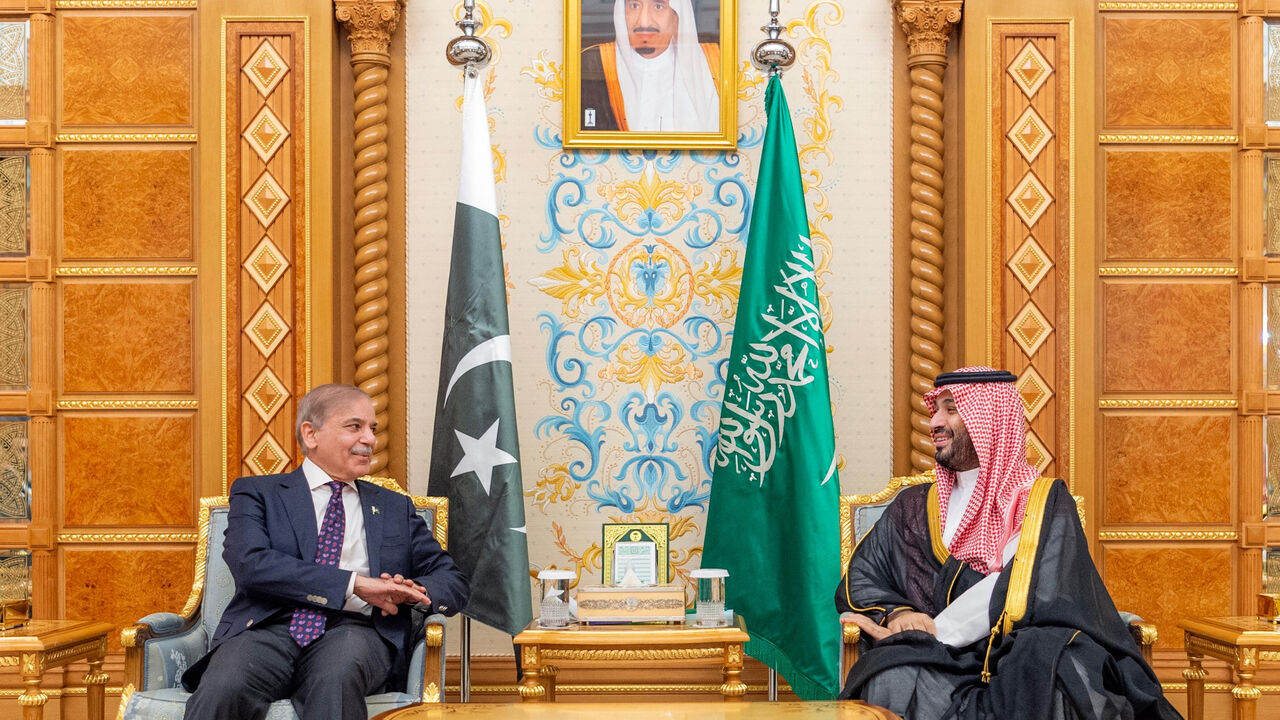
Relations between Pakistan and Saudi Arabia have never been defined merely by treaties or transactions. They are a reflection of a shared heritage—religion, culture, and values. Since Pakistan’s independence in 1947, Saudi Arabia has stood as one of the first nations to extend recognition, setting the tone for a relationship that is as much spiritual as it is political.
Unlike many bilateral ties, this relationship carries the spirit of brotherhood beyond boundaries. It is not only about weapons or strategic pacts—it is about the willingness to sacrifice for each other in moments of trial.
From the early 1960s, Pakistan has played an instrumental role in strengthening Saudi Arabia’s defence capabilities. Pakistani military advisors, pilots, and trainers were stationed in the Kingdom to build its air force and ground defence units.
1970s–80s: Hundreds of Pakistani officers served as trainers for the Royal Saudi Air Force and Army. Pakistani pilots flew Saudi jets in joint exercises and in critical defence missions.
1982 Defense Pact: A landmark agreement institutionalized the presence of Pakistani forces in Saudi Arabia, ensuring that the Kingdom’s defence was never vulnerable.
Protection of Holy Sites: Pakistani troops were stationed in sensitive areas to ensure the safety of Islam’s holiest sites, Makkah and Madinah, a trust that highlights the depth of confidence between the two nations.
First Gulf War (1990–91): Pakistan deployed thousands of troops to protect Saudi borders against potential spillover threats from Iraq’s invasion of Kuwait.
: In the 2000s, Pakistan provided intelligence and tactical support in combating extremist threats inside the Kingdom, ensuring regional peace and the protection of Saudi citizens.
When regional instability loomed, Pakistan’s Parliament reaffirmed that the defence of Saudi sovereignty is an unshakable duty, a pledge that continues to shape mutual trust.
Perhaps the most profound service Pakistan has given to Saudi Arabia is through its people. Over 2.7 million Pakistanis currently live and work in the Kingdom, making them the largest overseas community.
Pakistani engineers, doctors, laborers, and technicians have played a crucial role in the construction of Saudi Arabia’s infrastructure—from roads and airports to hospitals and universities.
Each year, thousands of Pakistani volunteers assist Saudi authorities during Hajj operations, ensuring the safety and facilitation of millions of pilgrims.
In 2024 alone, Pakistanis in Saudi Arabia sent home nearly $6.5 billion in remittances, accounting for over 25% of Pakistan’s total remittance inflows. These contributions not only strengthen Pakistan’s economy but also reflect Saudi Arabia’s trust in Pakistani manpower.
This massive workforce is more than just economic migrants; they are ambassadors of brotherhood, knitting together two nations with bonds of shared dignity and service.
Bilateral trade has grown steadily, crossing $5 billion in 2023. Pakistan exports rice, textiles, and skilled manpower, while Saudi Arabia remains Pakistan’s largest supplier of petroleum products.
Saudi Arabia has pledged $25 billion in investments in Pakistan under projects ranging from oil refineries in Gwadar to renewable energy initiatives. These are not mere commercial ventures—they symbolize a shared vision for long-term growth and prosperity.
During Pakistan’s toughest economic crises, Saudi Arabia has provided deferred oil payment facilities, helping Pakistan sustain its foreign reserves. In the aftermath of nuclear sanctions in the late 1990s, Saudi Arabia was among the few countries that stood firmly by Pakistan, offering vital economic support.
Beyond politics and economics lies a bond of faith. Millions of Pakistanis undertake Hajj and Umrah every year, strengthening people-to-people ties. With nearly 200,000 Pakistani pilgrims performing Hajj annually and over a million performing Umrah, Saudi Arabia’s hospitality and Pakistan’s devotion continue to sustain the most profound spiritual link between two nations.
Pakistan has consistently offered logistical and administrative support during Hajj seasons, including the training of volunteers, medical teams, and security personnel to assist Saudi authorities in managing the influx of pilgrims.
The Pakistan–Saudi relationship cannot be measured merely in terms of weapons or military hardware. It is a bond defined by the spirit to sacrifice for each other. Whether in defending holy sites, providing manpower for development, or extending economic support in times of crisis, both countries have embodied a partnership that places human dignity and shared faith above transactional interests.
The path forward must balance realism with brotherhood.
Moving beyond oil, cooperation should expand into IT, agriculture, tourism, and renewable energy.
Joint scholarship programs and research centers can prepare the next generation to carry this legacy.
Joint initiatives in sustainable agriculture and water management can address pressing challenges.
Both nations can collaborate in humanitarian relief—whether in natural disasters, refugee crises, or global health emergencies.
Pakistan–Saudi relations are not transactional; they are transformational. They have been tested by history—through wars, crises, and sanctions—and each time, they have emerged stronger.
Saudi Arabia has found in Pakistan a partner that values its sovereignty as sacred, while Pakistan has found in Saudi Arabia a brother that stands beside it in times of economic and political trial.
This bond is not about weapons, nor is it limited to treaties. It is about people, sacrifices, and dignity. It is about the millions of Pakistanis building Saudi Arabia’s future and the Saudis ensuring Pakistan’s survival in times of hardship. It is a relationship that goes beyond boundaries—built not on interest, but on integrity and brotherhood.