






















By Brig Syed Karrar Hussain Retired
Qatar National Day, celebrated every year on 18 December, is an occasion of immense pride, unity, and national commitment for the people of Qatar. This historic day commemorates the accession of Sheikh Jassim bin Mohammed Al Thani, the founder of the modern State of Qatar, who laid the foundations of an independent, strong and progressive nation. Over the decades, Qatar has evolved into a symbol of stability, diplomacy, and visionary leadership in the Middle East. Its impressive journey from a small Gulf sheikhdom to a global hub of diplomacy, economy and security highlights Qatar’s determination to rise through unity, resilience, and strategic vision.
Background and Importance of Qatar National Day
Qatar National Day is deeply rooted in the country’s historic struggle for unity and sovereignty. The late Sheikh Jassim is remembered not merely as a ruler but as a statesman who consolidated the tribes of the peninsula, strengthened national identity, and defended Qatar against regional threats. His efforts ensured that Qatar would stand tall as a cohesive nation with a clear sense of identity and purpose.
The celebrations each year bring together Qatari citizens, expatriate communities, and international partners. The day symbolizes:
Pride in national heritage
Respect for leadership and national institutions
Unity among the Qatari people
Renewed commitment to national progress
Qatar’s development model, based on strong governance, investment in human capital, and long-term strategic planning, has made it one of the wealthiest and most stable countries in the region. The successful hosting of FIFA World Cup 2022, the expansion of Hamad International Airport, and the transformation of Doha into a global economic and cultural hub all reflect the spirit of nation-building that Qatari National Day represents.
Qatar’s Role in Promoting Peace in the Middle East and the World
Qatar has played a unique and constructive role in regional and global diplomacy. Despite being a small state in terms of population and geography, Qatar has carved out a powerful niche as a mediator of conflicts, supporter of peace initiatives, and promoter of humanitarian causes.
1. Mediation and Conflict Resolution
Qatar has hosted, facilitated, or supported peace talks between conflicting parties from various regions. Notable examples include:
Afghan peace talks between the Taliban and the United States, held in Doha over several years.
Dialogue initiatives for Yemen, supporting Yemeni groups in conflict resolution.
Efforts to reduce tensions in Sudan and Darfur, where Qatar helped broker peace agreements.
These diplomatic efforts have earned Qatar a reputation as the “Geneva of the Middle East”, a neutral and respected platform for global diplomacy.
2. Humanitarian Assistance
Through the Qatar Fund for Development (QFFD) and various humanitarian organizations such as Qatar Charity, Doha has extended assistance to millions of people affected by conflicts, poverty, and natural disasters. Its contributions to global education, refugee support, and health projects have reinforced its image as a responsible international player.
3. Advocacy for Stability in the Middle East
Qatar consistently promotes regional stability through:
Strengthening GCC cooperation
Maintaining channels of communication even during times of tension
Supporting reconstruction efforts in Gaza and other conflict-hit areas
Hosting international forums on peace, security, and development
In a highly volatile region, Qatar’s diplomatic maturity and commitment to peaceful coexistence make it a vital pillar of Middle Eastern stability.
Pakistan–Qatar Relations with Emphasis on Military Cooperation
Pakistan and Qatar share deep-rooted historical, cultural, and strategic ties. Both countries enjoy mutual respect, trust, and cooperation across political, economic, military and social sectors. The relationship has grown significantly stronger over the last two decades.
1. Defence and Military Cooperation
Pakistan plays a vital role in Qatar’s defence architecture. Military relations are considered the backbone of bilateral cooperation.
Pakistan Army, Navy and Air Force have long-standing ties with their Qatari counterparts.
Pakistan has provided training, advisory and operational support to the Qatari Armed Forces.
A large number of Pakistani officers serve in Qatar on training, instructional and staff assignments.
Joint military exercises have strengthened interoperability and built confidence between the two nations.
Qatar has acknowledged Pakistan’s professionalism, discipline, and role in enhancing its defence capabilities. The cooperation is mutually beneficial, with Qatar supporting Pakistan’s military diplomacy and providing opportunities for defence collaboration.
2. Economic and Energy Cooperation
Qatar is one of Pakistan’s most reliable energy partners:
It is the largest supplier of LNG to Pakistan, ensuring energy security in critical times.
Trade between both countries has improved steadily, particularly in construction, transport, IT, and agriculture.
Pakistani workers form a significant portion of Qatar’s labour force, contributing to infrastructure, health, security and service sectors.
During difficult economic phases, Qatar has extended financial support and investment commitments to Pakistan, strengthening economic stability.
3. Political and Diplomatic Relations
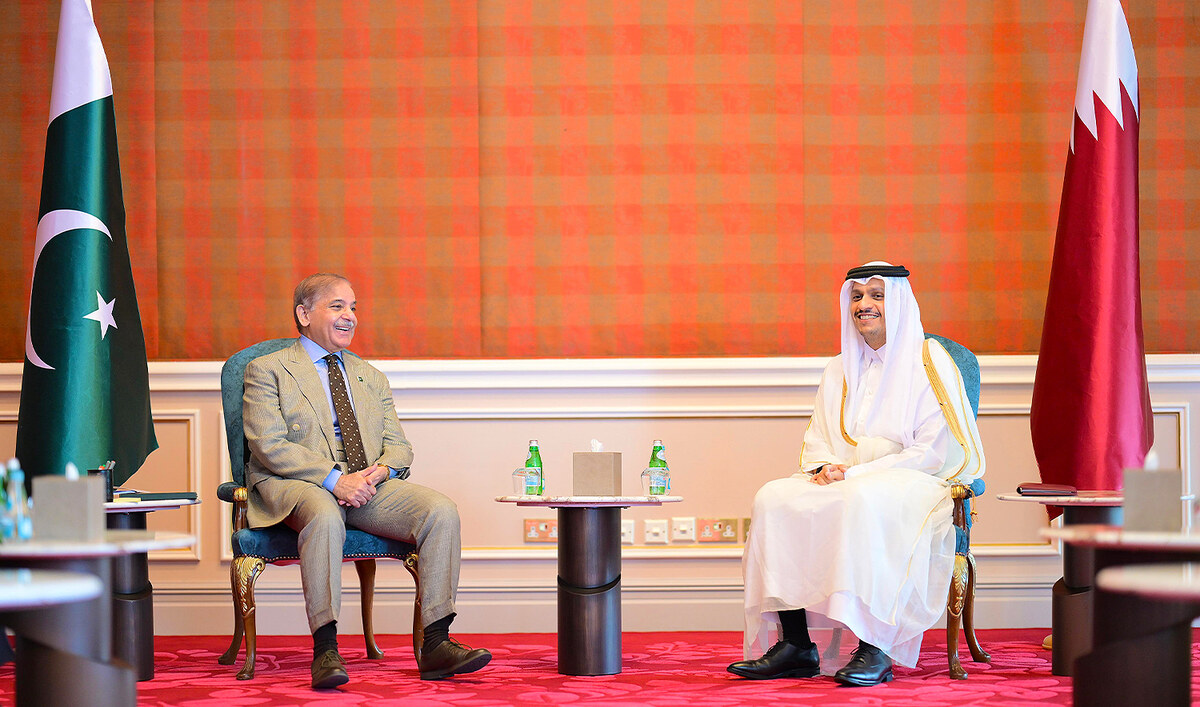
High-level visits between leadership of both countries reflect warmth and trust. Qatar values Pakistan as a major strategic partner in South Asia, while Pakistan views Qatar as an important member of the GCC with strong influence in the Middle East and global diplomacy.
Recommendations for Strengthening Pakistan–Qatar Military, Trade and Cultural Relations
The future of Pakistan–Qatar relations holds promising potential. Both nations can further expand cooperation in the following areas:
1. Enhancing Military Cooperation
Joint Defence Production: Establish joint ventures for manufacturing small arms, drones, communication systems, and surveillance equipment.
Increased Training Exchanges: Expand the number of Pakistani officers posted in Qatar and invite more Qatari personnel for advanced courses in Pakistan’s prestigious military institutions.
Maritime Security Collaboration: With Qatar’s strategic location and Pakistan Navy’s strong operational capacity, both sides can cooperate in anti-piracy, maritime surveillance, and naval exercises.
Cyber and AI Training: Launch joint programmes in cyber security, artificial intelligence, and modern warfare capabilities.
2. Expanding Trade and Investment
LNG and Energy Partnerships: Explore long-term energy security agreements.
Special Economic Zones: Invite Qatari investment in Gwadar, Karachi Free Zone, and aviation sectors.
Agriculture and Food Security: Pakistan can become a reliable supplier of halal meat, rice, fruits and vegetables to Qatar.
Construction and Infrastructure: Encourage Qatari companies to invest in housing, ports, and logistic infrastructure in Pakistan.
3. Strengthening Cultural and People-to-People Ties
Cultural Festivals and Exchange Programs: Organize art, sports, and cultural festivals between Doha, Karachi, Lahore and Islamabad.
Scholarships for Pakistani Students: Qatar can enhance educational scholarships in engineering, health and technology fields.
Tourism Promotion: Develop direct tourism packages between both nations, highlighting Pakistan’s northern areas and Qatar’s world-class hospitality sector.
Media and Academic Collaboration: Increase cooperation between universities, think-tanks and media institutions to promote mutual understanding.
Conclusion
Qatar National Day is more than a celebration; it is a tribute to visionary leadership, a reminder of national unity, and a symbol of Qatar’s remarkable rise on the world stage. As Qatar continues to champion peace, stability and global cooperation, its role as a mediator and humanitarian partner gains increasing importance.
Pakistan and Qatar, bound by mutual respect, shared values and strategic interests, stand on the threshold of even deeper cooperation. With strong military ties, robust economic relations and growing cultural exchanges, both nations can work together for regional peace, prosperity and development.
Strengthening this partnership is not only in the interest of both countries but also contributes to stability in the broader Middle East and South Asia. On this Qatar National Day, Pakistan extends warm greetings and reaffirms its commitment to building an even stronger, enduring friendship with Qatar.