
















Mubasher Mir
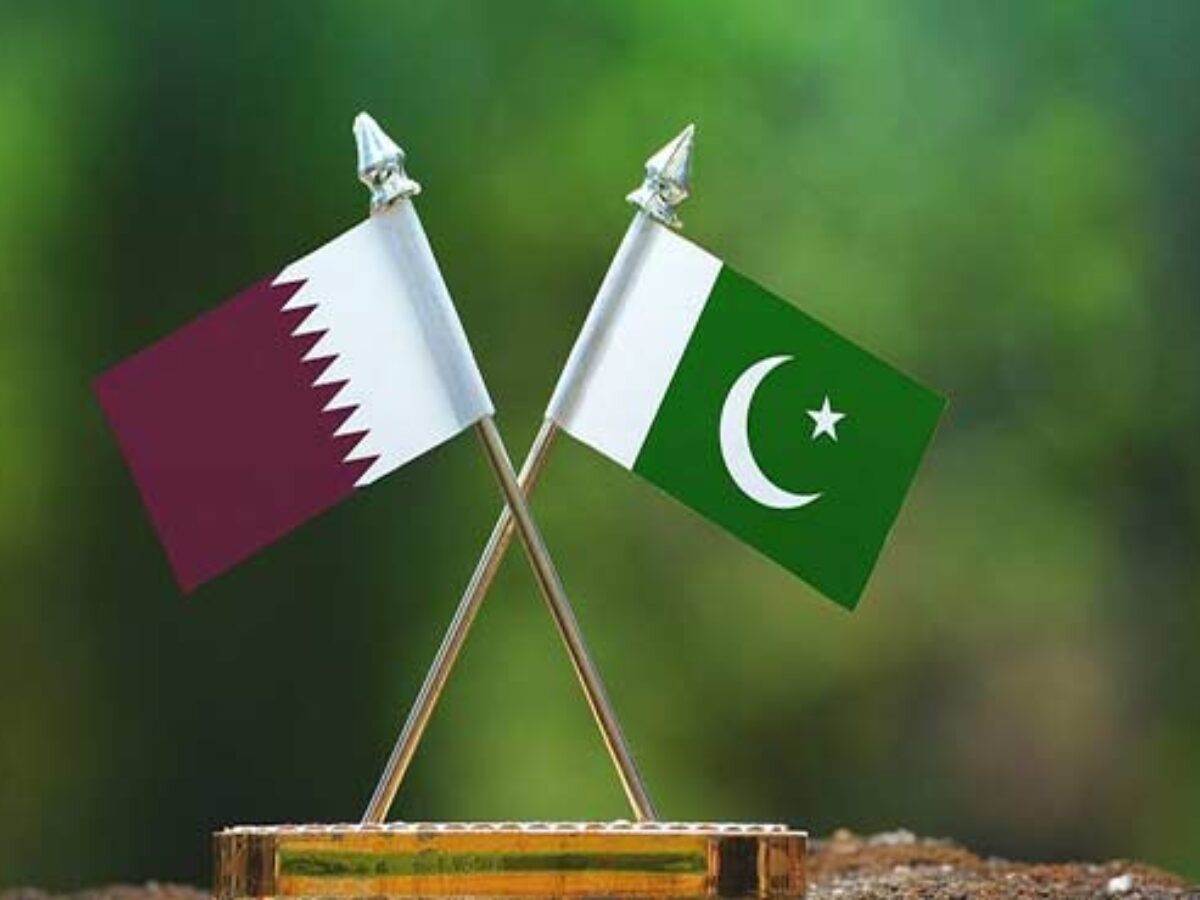
Pakistan and Qatar share a relationship rooted in Islamic brotherhood, regional connectivity, mutual economic needs and evolving geopolitics in the Gulf and South Asia. Formal diplomatic relations between the two countries began in 1973, when Pakistan established its embassy in Doha. Over the decades, these ties expanded across multiple sectors—energy, investment, defence, labour cooperation, trade and cultural exchange—making Qatar one of Pakistan’s closest partners in the Gulf region.
Early Diplomatic History and the Journey of Mutual Trust
The early 1970s were transformative for both regions. The Gulf was rising as a global energy hub, while South Asia faced political and economic shifts. In this context, Pakistan and Qatar established official diplomatic relations in 1973. Pakistan recognized the growing strategic and economic role of Qatar and sought to strengthen ties with the emerging Gulf state.
Throughout the 1980s and 1990s, high-level visits, formal agreements and joint ministerial commissions strengthened mutual trust. After the Gulf War in the early 1990s, Qatar began building its defence profile and diplomatic influence. Pakistan supported these developments and gradually expanded defence consultations and security cooperation. Over time, both countries developed a shared understanding in areas such as counterterrorism, military training and regional stability.
Economic and Energy Partnership: The Central Pillar
Energy has consistently been at the heart of Pakistan–Qatar relations. Qatar is one of the world’s largest exporters of Liquefied Natural Gas (LNG), while Pakistan continues to rely on LNG imports to meet its growing domestic and industrial needs. Especially after 2015, when Pakistan faced acute energy shortages, long-term LNG agreements with Qatar helped stabilize the country’s electricity generation and industrial output.
Qatar has supplied Pakistan with LNG on favourable terms, creating a dependable framework for long-term energy security. At the same time, Qatari investors have shown interest in Pakistan’s infrastructure, ports, real estate, logistics and energy projects. With Qatar diversifying its economic portfolio globally, Pakistan sees a major opportunity to attract more investment into local industries, Special Economic Zones and renewable energy sectors.
Strategic Links and Defence Cooperation
Defence cooperation between Pakistan and Qatar has deepened steadily. Pakistan has long provided military training to Qatari officers, and the two countries hold regular security consultations and joint exercises. Pakistani military expertise—particularly in training, aviation, counterterrorism and peacekeeping—remains valued in Doha.
Qatar’s strategic significance has risen in recent years due to its diplomatic engagements, including mediatory roles in regional conflicts, negotiations over Afghanistan, and broader Gulf diplomacy. Pakistan appreciates Qatar’s stabilizing influence in regional affairs, seeing it as a partner that can help reduce tensions and build bridges among competing interests in the Middle East. This shared strategic outlook is likely to strengthen defence and security ties further.
Overseas Pakistanis in Qatar: A Human Bridge
The Pakistani diaspora forms one of the most important links between the two nations. An estimated 100,000 to 150,000 Pakistanis currently live and work in Qatar. They serve in numerous fields—construction, engineering, healthcare, aviation, hospitality, transport, IT and security.
During Qatar’s preparation for the FIFA World Cup 2022, Pakistani workers, engineers and security personnel played a critical role in infrastructure development and event management. Their contribution was acknowledged internationally and helped strengthen the goodwill between both countries.
Remittances sent by Pakistanis in Qatar constitute a major source of foreign exchange for Pakistan. As Qatar continues to develop its infrastructure and diversify its economy, Islamabad hopes to secure more labour agreements that ensure job security, fair wages and welfare protections for Pakistani workers.
Trade Relations and Bilateral Business Potential
Trade between Pakistan and Qatar remains heavily tilted in Qatar’s favour due to large LNG exports. Pakistan imports LNG, petrochemicals and other energy-related products from Qatar, while exporting food items, rice, textiles, sports goods, pharmaceuticals and light manufacturing products.
Although Pakistan’s exports to Qatar are still modest, there is substantial potential for growth. Pakistan aims to increase its presence in Qatar’s food security sector, IT services, construction supplies and agriculture exports. Business delegations, trade exhibitions and bilateral forums in Doha offer valuable opportunities for Pakistani companies to expand their market access.
Qatar’s Strategic Importance in the Gulf
Qatar occupies a unique position in the Gulf due to its geography, energy wealth and active foreign policy. It maintains diplomatic balance among regional powers and has successfully enhanced its global profile through mediation, development assistance and hosting major international events.
For Pakistan, Qatar is an essential partner within the Gulf Cooperation Council (GCC). Strong ties with Qatar help Pakistan access energy markets, trade corridors, investment flows and employment opportunities for its manpower. In a region where geopolitical shifts occur rapidly, a stable and mutually supportive relationship with Qatar adds significant diplomatic value for Pakistan.
Tourism, Air Connectivity and Visa Facilitation
Qatar has rapidly emerged as a global tourism and transit hub. With Qatar Airways operating flights to major Pakistani cities, Doha has become one of the most accessible and convenient destinations for Pakistani travelers. The airline’s reputation, combined with Hamad International Airport’s world-class facilities, makes it a preferred transit point for passengers traveling to Europe, North America and the Middle East.
Visa procedures for Pakistanis have also improved over the years. Qatar offers categories such as family visits, tourist visas, business visas and work permits. Requirements such as hotel bookings or sponsor details apply in certain cases, but overall the visa environment has become more facilitative, especially for genuine travelers.
Future Prospects: A Relationship Poised for Expansion
Pakistan–Qatar relations appear set to grow further in the coming years. Key areas of future cooperation include:
Energy Collaboration
Pakistan’s LNG demand is expected to rise as its industrial and urban sectors expand. Qatar is likely to remain a major supplier, and both sides are exploring flexible new agreements and private-sector partnerships.
Increased Investment
Qatar is evaluating opportunities in Pakistan’s ports, real estate, information technology, agriculture, logistics and energy infrastructure. Special Economic Zones and the China–Pakistan Economic Corridor (CPEC) could attract more Qatari capital.
Defence and Security Expansion
With regional volatility, joint training, intelligence cooperation and military collaboration are likely to grow.
Labour Mobility
Qatar’s development plans and diversification strategy will continue to create new job opportunities for Pakistani workers, strengthening Pakistan’s remittance base.
Tourism and Cultural Exchange
As Qatar promotes tourism post–World Cup, people-to-people exchanges, sports tourism and family visits from Pakistan are expected to increase.
Pakistan and Qatar have built a relationship that spans diplomacy, economics, defence, culture and human mobility. From the establishment of diplomatic ties in 1973 to modern-day strategic cooperation and energy partnerships, the relationship has evolved into a robust and multifaceted partnership. In an era of shifting regional geopolitics, both countries recognize the mutual benefits of deeper engagement.
As Pakistan seeks economic stability and energy security, and Qatar aims for global diversification and sustained growth, their partnership stands poised to enter a new era—defined by shared interests, mutual respect and expanding opportunities.