




















By Brig Syed Karrar Hussain Retired
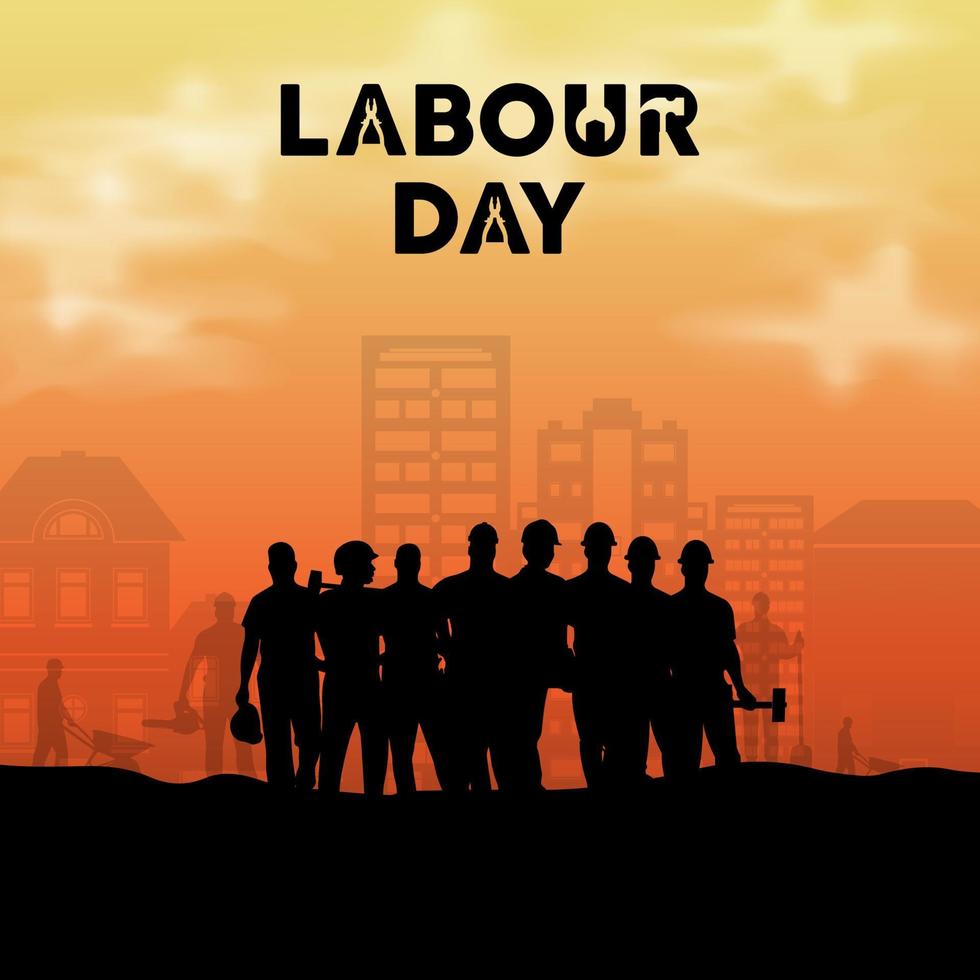
Every year on 1st May, the world observes Labour Day, also known as International Workers’ Day, to honor the contributions, sacrifices, and struggles of workers. It is not merely a ceremonial day; rather, it symbolizes a long and arduous journey of the working class in securing their fundamental rights, dignity, and fair treatment. In countries like Pakistan, where a large segment of the population depends on daily wages and labor-intensive work, the significance of this day becomes even more profound.
Background and Importance of Labour Day
The origins of Labour Day trace back to the historic Haymarket Affair in Chicago, United States, in 1886. Workers had launched a movement demanding an eight-hour workday, better wages, and humane working conditions. During a peaceful protest, violence erupted, leading to casualties among both workers and police. This tragic incident became a turning point in the global labor movement, highlighting the exploitation faced by workers and the urgent need for labor reforms.
In recognition of these sacrifices, 1st May was later declared International Workers’ Day by labor organizations and socialist groups worldwide. Today, it serves as a reminder of the struggles endured by workers and the progress achieved through collective efforts. It is also a day to evaluate ongoing challenges and renew commitments toward ensuring justice and equality for laborers.
In Pakistan, Labour Day is a public holiday marked by rallies, seminars, and discussions organized by trade unions, civil society, and government institutions. It provides an opportunity to reflect on labor rights, workplace safety, and socio-economic inequalities.
Role of Zulifqar Ali Bhutto in Promoting Labor Rights
Among the political leaders of Pakistan, Zulifqkar Ali Bhutto holds a prominent place in advocating for the rights of workers and the underprivileged. His political philosophy was deeply rooted in the concept of social justice, equality, and empowerment of the common man.
During the early 1970s, Bhutto introduced several landmark labor reforms that significantly improved the condition of workers in Pakistan. His government implemented policies that strengthened trade unions, ensured job security, and introduced better wage structures. One of his most notable contributions was the nationalization of key industries, which aimed to protect workers from exploitation by private owners and ensure fair distribution of wealth.
Bhutto also introduced social security measures, including old-age benefits, health facilities, and compensation for workplace injuries. His emphasis on labor rights was not limited to legislation; he actively mobilized public opinion and created awareness among the masses about the importance of workers’ dignity and rights.
Through his slogan of “Roti, Kapra aur Makan” (Bread, Clothing, and Shelter), Bhutto gave voice to the aspirations of millions of workers and poor citizens. He transformed labor issues into a central political discourse, ensuring that the concerns of the working class were no longer ignored.
Present Days Problems Faced by Labor in Pakistan
Despite the progress made in the past, workers in Pakistan continue to face numerous challenges. The gap between policy and implementation remains a major concern, and many laborers are still deprived of their basic rights.
One of the most pressing issues is low wages. A significant number of workers earn below the minimum wage, making it difficult for them to meet basic living expenses. Inflation further exacerbates their financial struggles, pushing many families below the poverty line.
Another critical problem is the lack of job security. A large portion of the workforce is employed in the informal sector, where there are no written contracts, social protections, or legal safeguards. These workers are vulnerable to sudden layoffs and exploitation.
Workplace safety is also a major concern. Industrial accidents, lack of protective equipment, and poor working conditions pose serious risks to workers’ health and lives. Unfortunately, enforcement of safety regulations is often weak, and accountability is limited.
Child labor remains a persistent issue in Pakistan. Many children are forced to work in hazardous environments due to poverty and lack of access to education. This not only deprives them of their childhood but also perpetuates the cycle of poverty.
Additionally, women workers face discrimination in wages, employment opportunities, and workplace treatment. Gender inequality continues to limit their participation and growth in the labor force.
The decline of trade unions has further weakened the collective bargaining power of workers. Without strong representation, laborers struggle to voice their concerns and demand their rights effectively.
Recommendations for Improvement
Addressing the challenges faced by workers in Pakistan requires a comprehensive and sustained effort from the government, private sector, and society as a whole.
First and foremost, strict implementation of labor laws is essential. Existing regulations must be enforced effectively to ensure fair wages, safe working conditions, and job security. Regular inspections and accountability mechanisms should be strengthened.
Secondly, the minimum wage should be reviewed and adjusted in accordance with inflation. Workers must receive a living wage that enables them to meet their basic needs and maintain a decent standard of living.
The formalization of the informal sector is another important step. Bringing informal workers into the legal framework will provide them with access to social security, healthcare, and legal protection.
Investment in education and vocational training is crucial. By equipping workers with skills and knowledge, their productivity and earning potential can be enhanced. This will also help reduce unemployment and poverty.
Efforts must be made to eliminate child labor by ensuring access to free and quality education. Families should be supported through social welfare programs so that children are not forced into labor.
Gender equality in the workplace must be promoted through equal pay, safe working environments, and opportunities for career advancement for women.
Reviving and strengthening trade unions is also necessary. Workers should be encouraged to organize and participate in collective bargaining to protect their rights.
Finally, public awareness campaigns should be conducted to highlight the importance of labor rights and the dignity of work. Society must recognize that workers are the backbone of the economy, and their well-being is essential for national progress.
Conclusion
Labour Day is not just a day of celebration; it is a day of reflection and commitment. It reminds us of the sacrifices made by workers around the world and the ongoing struggle for justice and equality. In Pakistan, while leaders like Zulifqar Ali Bhutto laid a strong foundation for labor rights, much work remains to be done.
Ensuring the welfare of workers is not only a moral obligation but also a prerequisite for sustainable development. A nation can only progress when its workforce is treated with dignity, fairness, and respect. As we observe 1st May, let us renew our resolve to build a society where every worker is valued, protected, and empowered.