












Dr. Hussain Thebo
Strategic Affairs Analyst
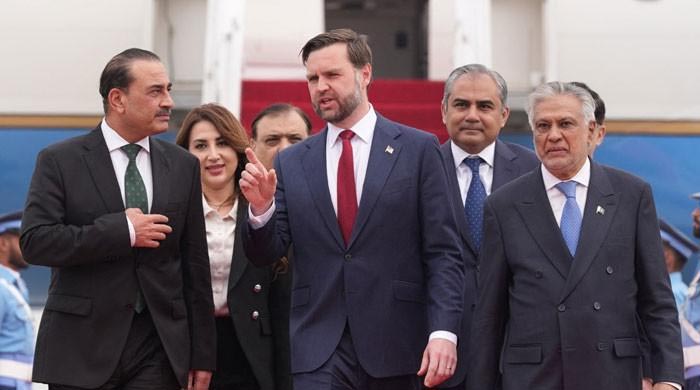
The arrival of JD Vance in Islamabad marks a significant and potentially historic moment for the future of diplomacy between the United States and Iran. At a time of heightened global tensions and uncertainty in the Middle East, this visit rises above routine diplomacy, it reflects a genuine opportunity for meaningful progress through the Islamabad Dialogue.
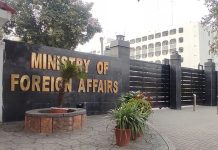
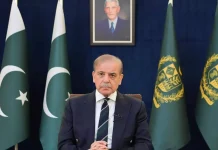
This moment has been made possible through the strategic vision and leadership of field Marshal Hafiz Syed Asim Munir, PM Pakistan Shehbaz Sharif, and the dedicated efforts of the Ministry of Foreign Affairs Pakistan. Their coordinated approach has positioned Pakistan at the center of global peacemaking, demonstrating its ability to act as a balanced, responsible, and credible mediator on the world stage.
By facilitating dialogue between Washington and Tehran, Pakistan is not only contributing to regional stability but also reinforcing its diplomatic relevance internationally. The country’s long-standing experience in managing complex regional dynamics is now translating into a constructive role in easing one of the world’s most sensitive conflicts.
JD Vance’s presence further elevates the importance of these talks. His participation signals a serious commitment from the United States, indicating that this is not merely symbolic engagement but a step toward practical solutions. This increases hope that discussions will move beyond rhetoric and lead to concrete outcomes, particularly on de-escalation, nuclear concerns, and broader regional security.
It is also important to recognize JD Vance’s broader political stance, particularly his consistent skepticism toward prolonged military engagements. In 2023, during his tenure as a U.S. Senator, he articulated in a published piece that the United States should avoid unnecessary wars and instead prioritize strategic restraint. This perspective adds a meaningful layer to his presence in Islamabad, as it reflects not only a diplomatic role but a philosophical alignment with de-escalation. Furthermore, as a potential future presidential candidate for the Republican Party, Vance carries a forward-looking incentive to support outcomes that promote stability and long-term peace. Wars have historically resulted in widespread destruction and instability, and a shift toward dialogue over conflict aligns with both global interests and his own political trajectory. This increases the likelihood that these talks may yield constructive and sustainable outcomes.
Islamabad itself serves as both a strategic and symbolic venue. Hosting such talks outside traditional Western centers highlights a shift toward more inclusive diplomacy, one that values regional stakeholders and fosters greater trust, particularly for Iran, which has often remained cautious of Western-led processes.
The Islamabad Dialogue also holds significant economic and security promise. A positive outcome could reduce tensions in vital global trade corridors, stabilize energy markets, and lower the risk of wider conflict. For Pakistan, it presents an opportunity to deepen international partnerships, unlock economic potential, and strengthen its image as a nation committed to peace and stability.
Admittedly, challenges persist. The deep-rooted mistrust between the United States and Iran cannot be resolved overnight. Yet diplomacy often begins with small but meaningful steps and this initiative, supported by Pakistan’s leadership and institutions.
JD Vance’s visit to Islamabad stands as a promising and strategic development. With the stewardship of Pakistan’s civil and military leadership and the proactive role of its foreign office, this dialogue carries the potential not only for discussion but for real progress possibly laying the foundation for a more stable and cooperative regional order.