












By: Syed Zeeshan Gilani
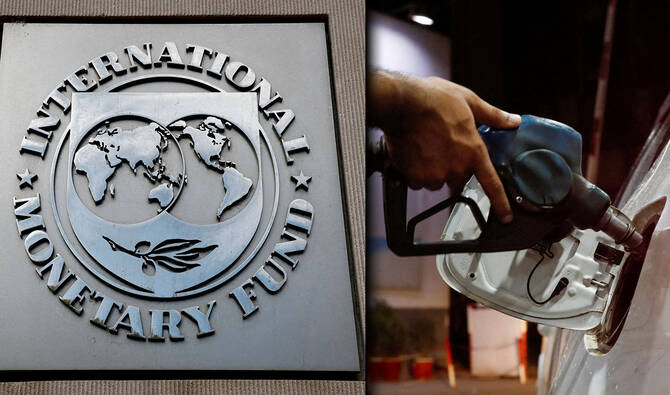
The dawn of April 2026 has brought with it a harrowing chapter in Pakistan’s economic history—a decision so devastating that it has left 240 million citizens in a state of shock and triggered a wave of profound uncertainty across the country. Following recent negotiations with the IMF, the Government of Pakistan has surrendered to the lender’s harshest conditions, implementing a hike in petroleum prices that was previously unimaginable.
According to the nerve-wracking announcement by Petroleum Minister Ali Pervaiz Malik, for the first time in the country’s history, petrol has crossed the 450 PKR mark while diesel has surged past the psychological barrier of 500 PKR. With a single massive increase of Rs. 137.23, the new price of petrol has been set at Rs. 458.40 per liter. Meanwhile, a staggering hike of Rs. 184.49 has pushed diesel to an all-time high of Rs. 520.35 per liter. These are not mere statistics; this is a direct economic assault on the jugular vein of the common man, the tremors of which will be felt in every household kitchen.
The most alarming aspect of this surge is its timing. Global crude oil prices were not at a level that justified a 40% domestic hike; rather, this step was taken solely to satisfy IMF mandates and replenish the state treasury with the blood and sweat of the public. While Finance Minister Muhammad Aurangzeb termed this a “bitter pill” necessitated by Middle East tensions, the reality is that the actual cost of oil is only a fraction of the price. The remainder is a burden of heavy taxes, customs duties, and the Petroleum Development Levy (PDL). Had the state prioritized public interest, it could have slashed its own royal privileges, free fuel quotas, and ministerial protocols to reduce the levy. Instead, the poor have once again been made the sacrificial lamb. For the agricultural and transport sectors, the price of diesel at Rs. 520 is nothing short of a death warrant. Farmers, already reeling from the high cost of seeds and fertilizers, will find it impossible to cultivate crops at these rates. Consequently, the prices of wheat, rice, and vegetables will spiral out of reach for the average citizen. Offering a one-time subsidy of Rs. 1,500 to farmers is like rubbing salt in their wounds, as the additional cost of preparing a single acre has now increased by thousands.The impact on the transport sector was instantaneous and catastrophic. Inter-city bus fares have jumped by hundreds of rupees, and the spike in freight charges has made every essential commodity more expensive. While the government announced a Rs. 100 per liter relief for motorcyclists (capped at 20 liters per month), the implementation—requiring a digital voucher via SMS to 9771—is far too complex for a common daily-wager. There are serious fears that this relief will fall prey to corruption, benefiting the influential rather than the deserving. Similarly, monthly subsidies of Rs. 70,000 for trucks and Rs. 80,000 for large vehicles are a “drop in the ocean” compared to the Rs. 184 hike in diesel, failing miserably to stem the tide of inflation.
According to economic experts, this price hike is fundamentally unjust. Had the government frozen local taxes in proportion to global market trends, the price could have been maintained between Rs. 350 and Rs. 380. Instead, this crushing burden was shifted onto the masses solely to secure the next installment of the IMF loan. This decision will not only make commuting a luxury but will also trigger a mandatory surge in electricity tariffs under the guise of “Fuel Price Adjustments,” a move that is bound to decimate local industries and fuel a rise in unemployment. As factories shutter and production costs skyrocket, Pakistani exports will lose their competitive edge in the international market, further intensifying the chronic dollar liquidity crisis. This situation is breeding economic anarchy, mental distress, and profound social unrest; for when a father is forced to exhaust his entire salary on utility bills and fuel, what remains for his children’s healthcare and education?
The reality is that the state is now completely abdicating its responsibilities, leaving the citizenry helpless and forsaken. Reports of an imminent hike in railway fares and the potential withdrawal of subsidies from public projects like the Metro Bus have shattered the backbone of the underprivileged. This is a class already struggling for two square meals a day, now left with no choice but to take to the streets in protest.