





















By Yawar Mehdi
(www.thenewslark.com)
Pakistan’s financial journey began with an act of extraordinary trust. In the uncertain days surrounding independence in 1947, when the new state faced severe financial constraints and lacked a functioning treasury, the Habib family stepped forward to support the nation’s survival. Following the vision of patriarch Habib Esmail, the family responded to the urgent call of Quaid-e-Azam Muhammad Ali Jinnah. In a moment that has become part of national memory, they arranged immediate financial assistance for the newly established government, offering a powerful symbol of confidence in Pakistan’s future at a time when the state’s coffers were nearly empty.
At the birth of the nation, the leadership faced not only political survival but also economic stability. The institutions that sustain a country its treasury, banking system, & currency were still being built while the state itself struggled to find its footing. In August 1947, Pakistan emerged as an independent country filled with hope but possessing only limited financial infrastructure. Administrative structures were still taking shape, and resources were scarce. At this critical moment, the immediate financial backing from the Habib family helped ensure that the basic functions of the new government could continue.
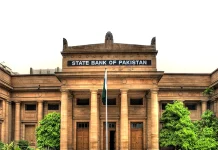
Soon after independence, Pakistan established its own sovereign currency, the Pakistani Rupee (PKR). In the earliest months, Indian currency notes overstamped with “Pakistan” were used for transactions. The situation changed in 1948 when the State Bank of Pakistan began issuing the country’s own banknotes. The central bank itself was formally inaugurated by Quaid-e-Azam on July 1, 1948, marking the beginning of Pakistan’s independent monetary system.
From those modest beginnings, Pakistan’s banking sector has expanded into a vast financial network. Today, the country has approximately 55 scheduled banks and development finance institutions operating around 18,450 branches across urban, rural areas and internationally. These institutions serve millions of customers, manage trillions of rupees in deposits, and play a vital role in financing industry, trade, and development.
The strength of this sector can be observed through the performance of the country’s leading banks. Based on a three year average, profits among the top institutions range from roughly 77 billion rupees at the highest to around 21 billion at the lower end, forming the backbone of Pakistan’s modern financial industry. Among these are Meezan Bank, the largest Islamic bank and pioneer of Shariah-compliant banking; United Bank, recognized for its digital transformation and global remittance services;m MCB Bank, known for operational efficiency and consistent profitability; Habib Bank, a systemically important institution with the nation’s largest domestic and international network; Standard Chartered Bank, maintaining the strongest international presence Allied Bank Limited, distinguished by corporate services and digital security infrastructure National Bank of Pakistan, a backbone for government & public sector financing Bank Alfalah, focused on consumer and SME banking Bank AL Habib, respected for trade finance and retail banking; and Habib Metro Bank, prominent in import-export and international trade financing.

In recent years, the sector has entered a new phase driven by digital transformation. Digitalizing the economy has become a central objective, with banks encouraging citizens to adopt modern financial systems through mobile banking applications and electronic payment platforms. Beyond corporate banking, financial institutions are reshaping the everyday experience of ordinary citizens. For the younger generation in particular, bank accounts, mobile apps, and payment cards have evolved from simple transactional tools into gateways to a broader lifestyle economy.

Today, mobile banking apps enable customers to transfer funds, pay bills, shop online, and manage finances instantly. At the same time, debit and credit cards function as nationwide discount platforms, offering benefits across thousands of vendors. Consumers frequently enjoy discounts ranging from 15% to 50% on dining, retail shopping, travel, and healthcare. This competition has created a consumer-focused ecosystem where financial services are seamlessly integrated into daily life.
Pakistan’s banking journey therefore reflects more than institutional growth,it represents the construction of a system connecting millions of citizens with modern economic opportunities. The confidence shown by the Habib family in 1947 symbolized a belief that Pakistan would prosper despite daunting challenges. Today, the mobile banking applications used daily by millions represent the latest chapter in that journey!a testament to resilience, enterprise, and the enduring power of trust.
Note to Readers: Readers are advised to consult banking professionals or official annual reports for precise financial data, current terms, and regulatory details.
Writer is former civil servant, can be reached at yawarmehdi@gmail.com