
















By: Sana Aquil
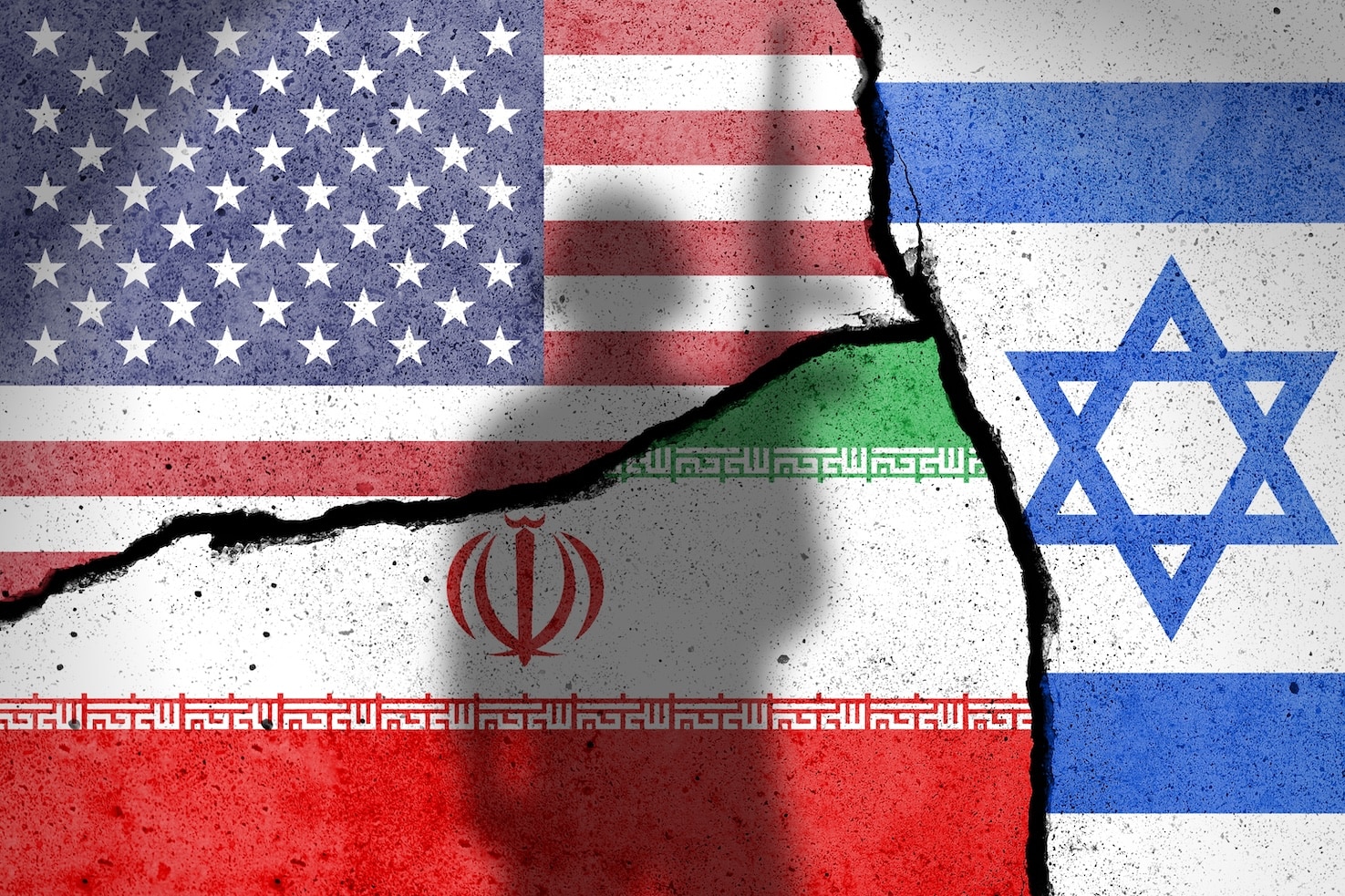
Karachi: (www.thenewslark.com) The escalating tensions involving the United States, Iran, and Israel signal a highly sensitive geopolitical phase with implications that extend far beyond immediate security concerns. As rhetoric intensifies and strategic signaling increases, the risk of miscalculation grows potentially transforming localized confrontation into broader regional instability.
The Middle East has historically demonstrated how quickly fragile balances can shift. In the current environment, where military posturing, political messaging, and unverified claims circulate rapidly, the margin for diplomatic correction appears increasingly narrow. Without carefully managed engagement, cycles of action and reaction could accelerate in ways that are difficult to contain.
At the core of the situation lies the urgent need for adherence to international legal norms. The principles outlined in the United Nations Charter including respect for sovereignty, proportionality, and restraint in the use of force remain essential safeguards against wider conflict. Any deviation from these standards risks undermining not only regional stability but also the broader international system.
Beyond security dynamics, the economic consequences of sustained escalation cannot be overlooked. The Middle East remains central to global energy flows and maritime trade corridors. Even limited confrontation can disrupt oil markets, unsettle investor confidence, and place additional strain on global supply chains. Developing economies, including Pakistan, are particularly vulnerable to fluctuations in energy prices and external shocks triggered by geopolitical uncertainty.
Prolonged instability would likely intensify inflationary pressures, complicate recovery efforts in emerging markets, and slow investment momentum at a time when global economic resilience is already being tested. In this context, peace is not merely a diplomatic objective it is an economic imperative.
Equally critical is the protection of civilian populations. History consistently shows that in any conflict, the greatest burden falls upon ordinary people. International humanitarian principles must remain central, ensuring that non-combatants and public infrastructure are safeguarded regardless of political or strategic calculations.
Ultimately, escalation rarely delivers sustainable outcomes. Structured dialogue, confidence-building measures, and credible multilateral mediation remain the only viable pathways toward de-escalation. Strategic restraint should be viewed not as weakness, but as prudence in an interconnected world where the consequences of conflict reverberate globally.
As tensions evolve, the international community faces a defining test: whether to allow polarization to deepen divides, or to reinforce diplomacy as the primary instrument of stability.