
















By Brig Syed Karrar Hussain Retired
Introduction
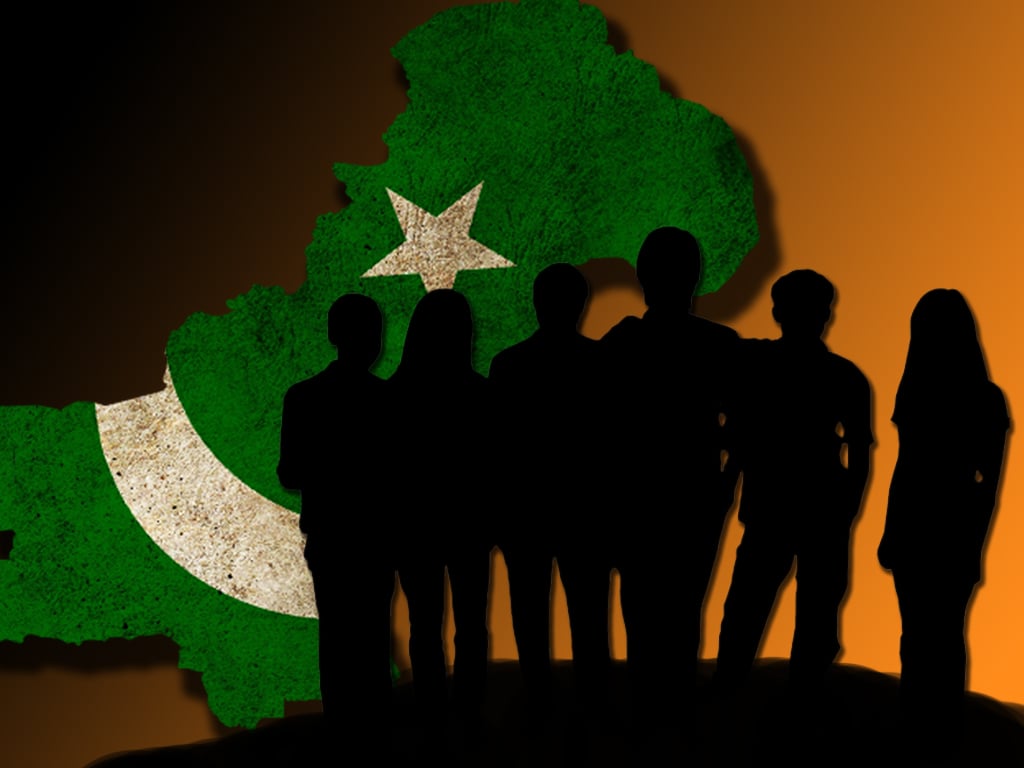
Pakistan is a country of the young. More than sixty percent of its population consists of youth below the age of thirty. This demographic reality places Pakistan among those nations whose future strength or weakness will largely depend upon how effectively they nurture, guide, and empower their younger generation. Pakistani youth today stand at a critical crossroads. On one hand, they possess immense energy, talent, resilience, and creativity; on the other, they face unprecedented worries, uncertainties, and systemic challenges. Understanding their concerns, identifying their strengths and weaknesses, and formulating practical recommendations for both the youth and the government is essential for ensuring a stable, prosperous, and secure future for Pakistan.
Worries and Concerns of Pakistani Youth
The foremost concern of Pakistani youth is economic insecurity. Rising unemployment, underemployment, and inflation have created deep anxiety among young people. Even educated graduates struggle to find meaningful jobs aligned with their qualifications. Many are forced into low-paying, informal, or temporary work, leading to frustration and loss of confidence. This economic pressure delays marriage, home ownership, and financial independence, increasing social stress.
Another major worry is lack of quality education and skill mismatch. While universities and colleges continue to produce graduates, the quality of education often does not meet market requirements. The gap between academic knowledge and practical skills leaves many young people ill-prepared for modern workplaces, especially in technology-driven and globalized industries.
Political instability and governance issues also weigh heavily on the minds of youth. Frequent changes in policies, inconsistent reforms, corruption, and lack of accountability create uncertainty about the country’s direction. Many young Pakistanis feel excluded from meaningful political participation, believing that their voices are neither heard nor respected.
The issue of mental health is an emerging yet largely neglected concern. Academic pressure, unemployment, social expectations, digital exposure, and family responsibilities have led to rising cases of anxiety, depression, and stress among youth. Unfortunately, social stigma and lack of accessible mental health services prevent many from seeking help.
Security concerns and extremism remain another challenge. Although the overall security situation has improved, sporadic terrorism, sectarian tensions, and regional instability still affect the psychological well-being of youth. In some cases, frustration and hopelessness make young minds vulnerable to radical narratives or anti-state propaganda, particularly through digital platforms.
Finally, brain drain has become a serious worry. Many talented young Pakistanis aspire to leave the country in search of better opportunities abroad, reflecting a lack of trust in local systems and long-term prospects.
Strengths of Pakistani Youth
Despite these challenges, Pakistani youth possess remarkable strengths that can transform the nation if properly harnessed.
First and foremost is their resilience and adaptability. Growing up amid economic hardships, political uncertainty, and social change has made Pakistani youth mentally tough and adaptable. They have repeatedly demonstrated the ability to survive and innovate under difficult circumstances.
The entrepreneurial spirit among youth is another powerful strength. From small startups to digital freelancing, young Pakistanis are increasingly entering e-commerce, information technology, content creation, and online services. Pakistan’s freelancing sector is among the fastest-growing in the world, driven largely by youth.
Pakistani youth also display strong patriotism and social responsibility. During natural disasters, floods, earthquakes, and humanitarian crises, young volunteers have consistently played a frontline role in relief efforts. This sense of collective responsibility reflects deep-rooted national and moral values.
The digital awareness and technological inclination of youth is a significant asset. Familiarity with social media, artificial intelligence, digital tools, and global communication has enabled them to connect with the world, access knowledge, and raise awareness on social issues.
Another strength is cultural and religious grounding. Despite globalization, many young Pakistanis remain connected to family values, faith, and traditions, which provide moral direction and social cohesion when balanced wisely with modern thinking.
Weaknesses and Challenges Among Youth
Alongside strengths, certain weaknesses must be acknowledged honestly.
A key weakness is lack of direction and guidance. Many young people are uncertain about career paths, life goals, and national identity. Weak career counseling systems and limited mentorship leave youth confused at critical stages of life.
Impatience and unrealistic expectations are also prevalent. Influenced by social media and instant success stories, some youth expect rapid achievements without sustained effort. When reality does not match expectations, frustration sets in quickly.
Another challenge is overdependence on social media. While digital platforms offer opportunities, excessive use has led to reduced attention spans, misinformation, intolerance, and sometimes moral decline. Online polarization has also weakened constructive dialogue.
Limited civic awareness is another weakness. Many young people lack proper understanding of constitutional rights, responsibilities, and democratic processes, which weakens their role as informed citizens.
Lastly, health and lifestyle issues, including lack of physical activity, substance abuse in some segments, and poor dietary habits, are silently affecting the long-term productivity of youth.
Suggestions for Pakistani Youth
The responsibility of change does not lie with the state alone; youth themselves must play a proactive role.
Pakistani youth must focus on skill development rather than relying solely on degrees. Technical skills, vocational training, digital literacy, and soft skills such as communication and critical thinking are essential in today’s competitive world.
They should adopt a mindset of self-reliance and entrepreneurship, exploring small businesses, freelancing, and innovation instead of waiting only for government jobs. Patience, persistence, and continuous learning must replace shortcuts and entitlement.
Youth must also invest in mental and physical well-being. Seeking help, maintaining healthy routines, and engaging in sports and positive social activities should be normalized.
Responsible use of digital media is crucial. Youth should verify information, avoid hate speech, and use platforms for learning, awareness, and constructive engagement rather than negativity.
Finally, youth should actively participate in community service and civic life, contributing positively to society while strengthening national unity and tolerance.
Suggestions for the Government
The government holds a decisive role in shaping the future of youth.
First, there is an urgent need to align education with market needs. Curriculum reforms, practical training, internships, and industry-academia collaboration must be prioritized.
Job creation should be the cornerstone of economic policy. Investment in industries, agriculture, information technology, and small and medium enterprises can generate employment opportunities for youth.
The government must also expand technical and vocational education, especially in underserved and rural areas, enabling youth to earn respectable livelihoods.
Mental health services should be integrated into educational institutions and primary healthcare systems to address psychological challenges proactively.
To counter extremism and misinformation, the state must strengthen digital governance, media literacy programs, and positive national narratives, engaging youth rather than alienating them.
Lastly, genuine youth inclusion in policymaking, local governance, and leadership programs will restore trust and give young people a sense of ownership in national development.
Conclusion
The youth of Pakistan are not a burden; they are the country’s greatest strategic asset. Their worries are real and justified, but their strengths far outweigh their weaknesses. With sincere efforts by both youth and the government, Pakistan can transform its demographic advantage into economic growth, social harmony, and national resilience. The choice is clear: neglect will lead to instability, while investment in youth will secure a strong, dignified, and prosperous future for Pakistan.