















By Brig Syed Karrar Hussain Retired
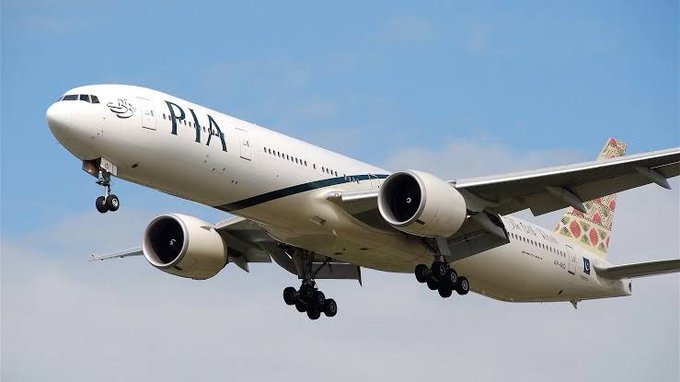
Pakistan International Airlines (PIA), the national flag carrier of Pakistan, has been a symbol of national pride since its inception. For decades, it connected Pakistan to the world and served millions of passengers. However, it also became a case study in chronic financial distress and operational inefficiency, burdening the national economy and tarnishing Pakistan’s reputation on the global aviation map. In late 2025, the Government of Pakistan finally succeeded in privatizing 75 % of PIA through a historic auction, handing over management to a private sector consortium led by Arif Habib Group. This article examines the history of PIA’s troubles, the economic and reputational effects of its losses, the profile of the successful bidder including all consortium members, the promises made for PIA’s revival, and why cooperation from all stakeholders will be crucial for success.
Historical Background and Present Issues of PIA’s Losses
PIA traces its roots to 1946 when it began operations before the creation of Pakistan, later becoming Pakistan International Airlines in 1955. For several decades, PIA was admired as a modern airline, pioneering routes and earning accolades for service. However, its decline began over time due to a combination of structural, political, and managerial issues.
One of the core issues was chronic financial mismanagement. Over the years, PIA accumulated staggering losses due to uncompetitive operations, overstaffing, and political interference in operational decisions. The airline became heavily burdened with legacy debts, inefficient fuel usage, and an inability to modernize its fleet. Reports show that PIA had accumulated losses amounting to billions of dollars over decades, draining public finances and requiring repeated government bailouts. The government frequently absorbed debt to prop up the airline, masking the depth of operational imbalance.
Additionally, political interference in staffing and route decisions disrupted professional airline management. Instead of efficiency, employment was prioritized at the expense of productivity. PIA’s workforce at one point had roughly 300 employees per aircraft—far above the industry norm, which typically ranges below 200 per aircraft. This disproportionate staffing placed an enormous wage burden on the airline without corresponding gains in service quality or operational output.
Operational issues manifested in poor services, outdated planes, and frequent financial requests to the government. These problems were compounded by safety concerns. For example, in the late 2010s and early 2020s, PIA suffered several setbacks including the suspension of flights to Europe due to safety compliance issues, harming passenger confidence further.
Despite brief periods of reported profits—largely attributed to government debt absorption—structural weaknesses persisted. Even where profits were recorded, they often reflected accounting mechanisms around debt write-offs rather than genuine operational performance.
Impact of PIA’s Losses on Pakistan’s Economy, Passengers, and Reputation
The financial hemorrhage at PIA had wide-ranging impacts on the national economy. As a state-owned enterprise, its continuous losses became a burden on public finances. Money that could have been invested in healthcare, education, infrastructure, or defense was instead used to prop up a failing airline year after year.
Economically, PIA’s losses translated into missed opportunities. Billions of rupees were paid in operating losses, inefficiencies, and debt servicing. These resources, if invested elsewhere, could have stimulated economic growth. The recurring bailouts also affected Pakistan’s fiscal discipline, especially under international financial arrangements with institutions like the International Monetary Fund (IMF), which had repeatedly urged Pakistan to reform or privatize loss-making state entities including PIA.
Passengers, too, suffered the consequences. While other global airlines upgraded their fleets with modern aircraft, PIA’s aging planes and sub-par service eroded customer confidence. Travelers increasingly opted for international carriers that offered safer, more comfortable, and more reliable services. This migration not only reduced PIA’s revenue but also affected Pakistan’s aviation brand globally. Thus, what was once a source of prestige became a choice many avoided unless necessary.
PIA’s reputation on the world stage took a particularly hard hit when aviation authorities in Europe and North America raised safety and compliance concerns. Although some restrictions were later lifted, the setback underscored how operational lapses can lead to significant reputational damage, impacting not just PIA but perceptions of Pakistan’s regulatory effectiveness.
Moreover, PIA’s inability to compete effectively with Gulf carriers such as Emirates, Qatar Airways, and Etihad exacerbated market share declines on lucrative routes. These carriers not only offered superior services but also used liberal traffic rights that disadvantaged PIA’s direct access to key markets, resulting in further financial and competitive erosion.
The Arif Habib Consortium: Members, Strengths, and Business Success
The privatization auction held in December 2025 marked a historic shift in Pakistan’s economic policy. A consortium led by Arif Habib Group emerged as the highest bidder, securing a 75 % stake in Pakistan International Airlines with a bid of 135 billion rupees.
The consortium comprises several major business houses:
Arif Habib Group
Arif Habib Group is one of Pakistan’s leading investment and corporate houses with diversified interests in financial services, equity markets, and infrastructure investments. Known for strategic vision and disciplined execution, the group has a strong track record in managing complex business portfolios. Its ability to attract investment and nurture profitability makes it a cornerstone of the consortium.
Fatima Fertilizer Company
Fatima Fertilizer Company is a major industrial entity and consistently profitable enterprise. As one of the largest fertilizer producers in Pakistan, it has strong financial backing and an established culture of operational efficiency. Its long-term success stems from prudent resource management and sustained market growth.
City Schools (Private) Limited
City Schools is one of the most prominent education networks in Pakistan, known for consistent service delivery and excellence in organizational management. Its inclusion in the consortium brings expertise in customer-centric operations and institutional governance, both crucial for transforming PIA’s culture.
Lake City Holdings (Private) Limited
Lake City Holdings has significant achievements in real estate development, urban planning, and infrastructure management. Its experience in large-scale projects contributes logistical strength and strategic planning expertise to the airline’s revival agenda.
AKD Group Holding (Private) Limited
AKD Group is a diversified financial services conglomerate with core strengths in investment banking, asset management, and capital markets advisory. With deep experience in corporate restructuring and capital optimization, AKD brings critical financial engineering capabilities to the PIA revival plan. Its success in brokering large institutional investments and navigating complex market dynamics underscores its value in the consortium.
Fauji Fertilizer Company
Fauji Fertilizer Company is another major industrial powerhouse with robust financial reserves and exemplary governance frameworks. Its participation enhances the consortium’s stability and provides additional capital, ensuring that PIA’s restructuring is well-funded and strategically managed.
Together, these entities provide a formidable blend of financial acumen, industry experience, and operational expertise. Their success in business stems from disciplined corporate governance, diversified portfolios, and long-term commitment to sustainable growth.
Promises and Plans of the Successful Bidder for PIA’s Revival
Upon winning the privatization bid, the Arif Habib consortium laid out an ambitious plan to revitalize PIA into a competitive, profitable airline that restores national pride.
Capital Investment and Financial Restructuring
One of the first commitments made by the consortium is significant capital infusion into the airline’s operations. They pledged to invest approximately 125 billion rupees in the first year alone, focusing on modernization of ground operations, customer outreach systems, and service delivery platforms. This will include digitalization of booking systems and streamlined operational protocols to reduce costs and enhance efficiency.
Fleet Modernization
Fleet expansion and modernization are central to the revival strategy. The consortium plans to expand the airline’s fleet to 64 aircraft within the next few years. This phased expansion will help rebuild route networks, increase flight frequency, and enhance passenger comfort with newer, fuel-efficient aircraft.
Service Quality Enhancements
Improving passenger experience is a top priority. The new management has pledged comprehensive upgrades in in-flight services, punctuality, airport logistics, and customer support. From reimagined lounges to enhanced inflight entertainment, these improvements are designed to regain customer trust and global competitiveness.
Employee Development and Structural Reform
Recognizing that human capital is the backbone of any airline, the consortium has assured existing employees of job security for at least the first year after privatization, with continuity of salaries, benefits, and pensions according to agreed terms. At the same time, they plan to implement professional training programs, performance-based evaluations, and operational restructuring in alignment with global best practices.
Professional Management and Governance
To eliminate political interference and introduce corporate discipline, the consortium has pledged to install a professional leadership team composed of aviation industry experts. Decisions will be guided by commercial logic, customer satisfaction metrics, and efficiency benchmarks consistent with global airline standards.
Maintaining Brand Heritage
While modernizing the airline’s operations, the consortium also emphasizes preserving PIA’s legacy as Pakistan’s national carrier. The airline’s iconic branding, historic routes, and cultural significance are to be upheld, even as the business model evolves.
The Importance of Cooperation: Employees and the Nation
For the privatization to yield its desired outcomes, cooperation from both PIA employees and the Pakistani public is essential.
PIA’s employees have historically been at the center of debates on restructuring and privatization. Many have expressed concern about job security and changes to work culture. The consortium’s assurances regarding job protection and benefits aim to allay these concerns. However, employees must also be willing to embrace new performance standards, training, and operational reforms that match global airline practices.
Change is never easy, and the transition period will test the resilience of the workforce. Successful turnaround will require unity, professionalism, and a shared commitment to the airline’s success.
The role of the Pakistani people and travelers cannot be overstated either. Public support—including choosing to fly PIA when competitive—will provide the airline with stable passenger numbers, increased revenue, and a rejuvenated brand image. A national carrier thrives when it is embraced by its citizens. Public trust, once restored through improved services and reliability, will be a major asset.
National cooperation also extends to policymakers and regulators. Efficient implementation of aviation policies, support in international negotiations for route rights, and infrastructure improvements at airports are all required to bolster PIA’s revival on the global stage.
Conclusion
The privatization of Pakistan International Airlines marks a historic turning point in the nation’s economic and aviation history. After decades of losses, mismanagement, political interference, and reputational damage, the national carrier finally has an opportunity to be transformed by experienced private sector leadership under the Arif Habib consortium — now strengthened by the inclusion of AKD Group Holding.
The financial legacy that once drained public resources can now be redirected toward growth, innovation, and global competitiveness. Passengers can soon expect improved services, modern fleets, and enhanced connectivity. The economy stands to benefit from reduced fiscal burdens, increased market confidence, and strengthened aviation sector contributions.
However, beyond capital and strategy, what will truly determine PIA’s renaissance is collective cooperation—employees embracing reform, management executing with integrity, government facilitating supportive policies, and the public choosing to support their national airline.
In unity and shared purpose, Pakistan International Airlines can not only recover its lost glory but soar higher than ever before, reflecting the true spirit of national resilience and global ambition.