



















MUKHTAR AHMED BUTT
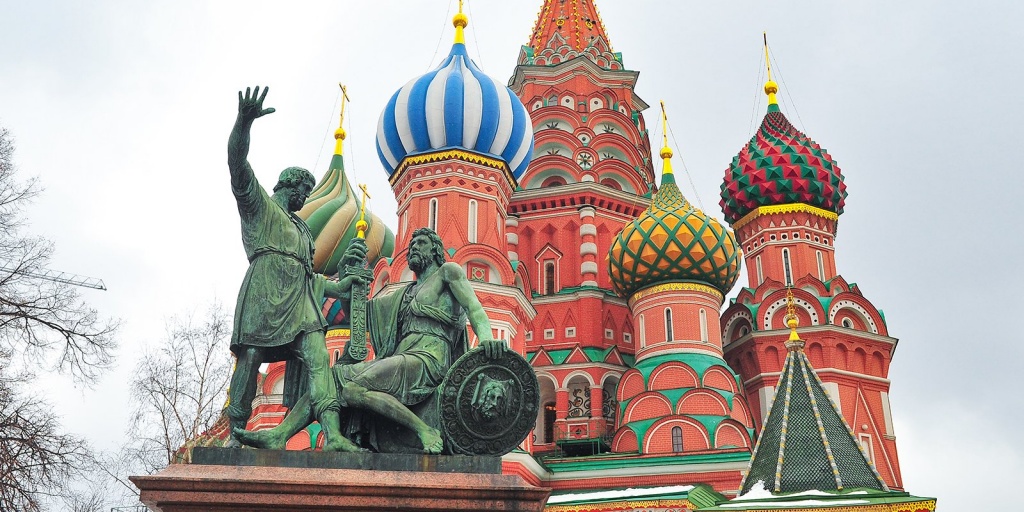
Russia celebrates its Unity Day on November 4, marking the expulsion of foreign forces from Moscow in 1612, when ordinary Russians under Kuzma Minin and Prince Dmitry Pozharsky united to defend their homeland. The day symbolizes national unity, resilience, and independence — values deeply ingrained in Russian history and revived under President Vladimir Putin to promote patriotism and solidarity. In today’s global context, this historic message carries renewed relevance. As the Ukraine war continues to reshape world politics, Russia presents Unity Day as a symbol of collective strength against external pressures. It reflects Moscow’s enduring belief that national survival depends on unity and defiance in the face of foreign intervention. However, history also reminds us that wars, regardless of cause or justification, bring immense human suffering. They destroy cities, tear apart families, and leave deep scars that last for generations.
Unity Day marks the expulsion of Polish-Lithuanian forces from Moscow in 1612, during the “Time of Troubles. “It celebrates the unity of the Russian people who, under Kuzma Minin and Prince Dmitry Pozharsky, formed a people’s militia and defended their homeland without a formal army or state structure. The day symbolizes national solidarity and resistance to foreign intervention. It replaced the old Soviet holiday November 7 (the anniversary of the 1917 Bolshevik Revolution), emphasizing national unity over class struggle. The ongoing tragedy in Gaza stands as a stark and painful example — over 68,000 lives lost and hundreds of thousands wounded, with entire neighborhoods reduced to rubble. The same pattern of devastation echoes across Ukraine, Yemen, and other conflict zones where power politics overshadow human life. As Russia commemorates its unity, the world must draw a broader lesson: true strength lies not in conquest, but in compassion and peace. National unity should serve not as a call to arms, but as a call to protect humanity from the endless cycle of war. Only through dialogue and restraint can nations secure lasting stability — the very essence of what Unity Day was meant to celebrate centuries ago.
In today’s context, as the Ukraine war continues to reshape world politics, Unity Day serves not only as a reminder of Russia’s past strength but also as a moment for reflection. The essence of unity should not be confined to military defiance but extended toward building peace and protecting human life. History teaches that while nations rise through struggle, they are truly remembered for their ability to heal and rebuild. Unity Day celebrates Russian patriotism, independence, and unity against foreign intrusion themes deeply woven into Russia’s current political narrative. In the Ukraine war context, it reinforces the Kremlin’s portrayal of Russia as defending its sovereignty and civilization against Western intervention linking a 17th-century victory to 21st-century geopolitical confrontation
2 / 2
Wars, no matter the cause or justification, bring only death, displacement, and destruction. The continuing tragedy in Gaza stands as a painful reminder — over 68,000 lives lost and hundreds of thousands wounded, with cities turned into rubble and generations scarred. The same sorrow echoes in Ukraine and other conflict zones where power politics overshadow humanity.
For the People of Russia. Unity Day should inspire Russians to remember that real patriotism means safeguarding life, stability, and the nation’s moral strength. The unity that once freed Moscow should now guide efforts toward ending war, rebuilding trust, and ensuring peace for future generations. True strength lies not in confrontation, but in compassion and progress.
Other nations must also draw a lesson: wars never bring lasting victory. The devastation seen in Gaza, Ukraine, and elsewhere proves that only dialogue, justice, and cooperation can secure genuine security. Global unity must aim to serve humanity, not hostility.
As Russia celebrates its national unity, the world must remember that real unity is not forged on the battlefield, but in the shared pursuit of peace. History honors those who build bridges, not those who destroy them.
The writer is freelance journalist and defence analyst