


















Mukhtar Ahmed Butt : The writer is freelance journalist and defence analyst.
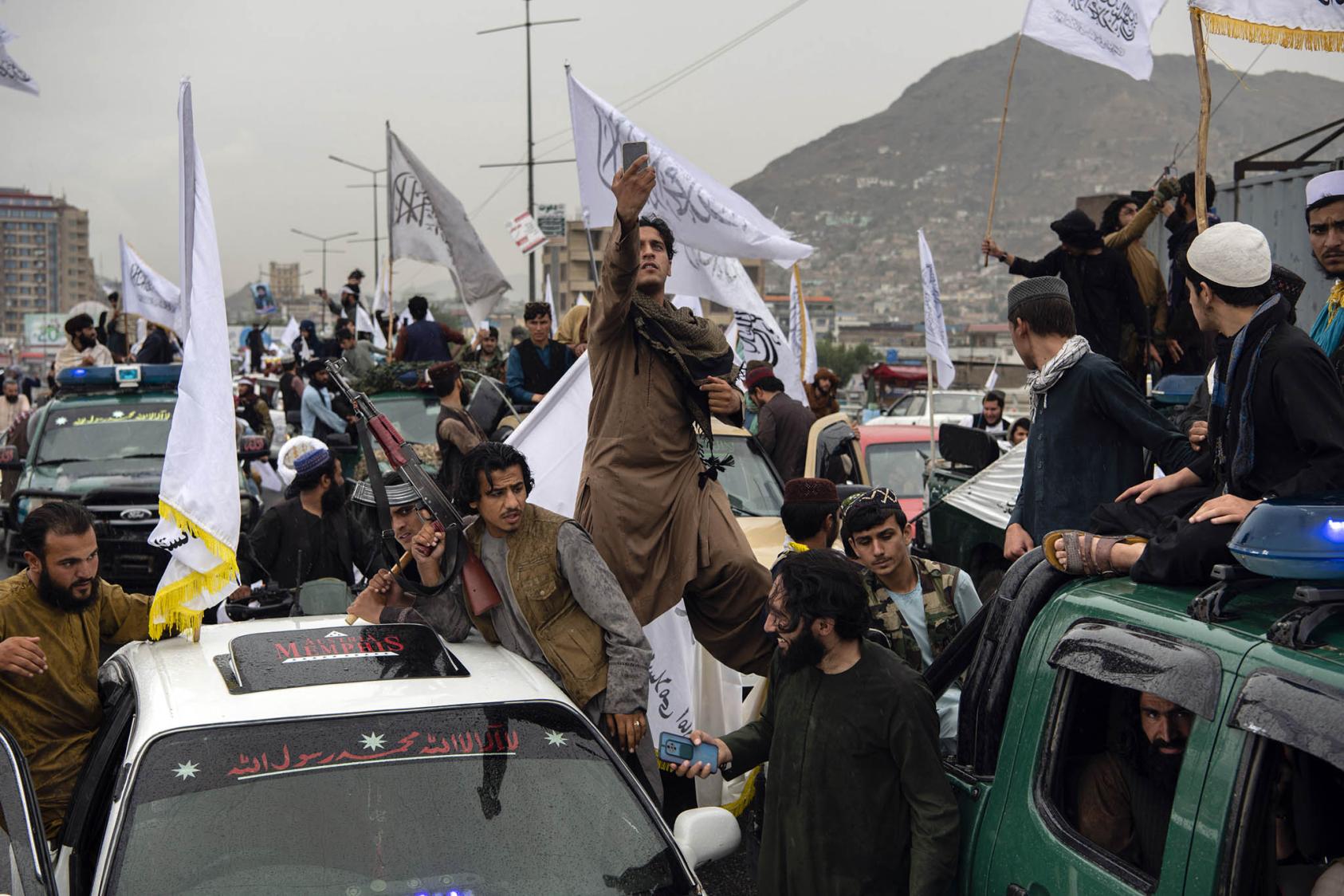
The Taliban quickly regained control of the country, undoing many of the political and social reforms that resulted from American intervention. By 2021, 2,324 American military personnel, 3,917 military contractors, and 1,144 allied troops had lost their lives in Afghanistan.It has been four years since the Taliban assumed control of Afghanistan following the withdrawal of U.S. and NATO forces in August 2021. Their return marked a turning point in the country’s history. While their governance model continues to generate debate internationally, there is little doubt that the Taliban have managed to deliver what Afghanistan lacked for decades—peace, stability, and centralized authority. Restoration of Security. The foremost achievement of the Taliban has been the restoration of law and order. For decades, Afghanistan was synonymous with bombings, insurgency, and rival militias vying for control. Today, streets are safer, internal conflicts have subsided, and citizens move about without the constant fear of war. By bringing an end to large-scale violence, the Taliban achieved what foreign-backed governments and international forces could not.Curtailing Corruption. One of the strongest complaints against previous administrations was corruption at every level of governance. With their strict discipline and centralized control, the Taliban have significantly reduced bribery and misuse of state funds. Government offices, customs points, and trade routes now function with far greater transparency and efficiency. Opium Cultivation Ban. In a bold move, the Taliban imposed a nationwide ban on opium poppy cultivation. The results have been remarkable, with international agencies confirming a sharp decline in narcotics production. While this policy has been challenging for farmers, it reflects the Taliban’s determination to reshape Afghanistan’s image as a responsible state actor.
Improved Governance and Services. Despite sanctions and frozen assets, the Taliban have ensured continuity of basic governance. Roads and infrastructure projects are maintained, trade routes with neighboring countries are active, and fuel and electricity supplies are managed through regional arrangements. Unlike the chaotic administrations of the past, government functioning is more streamlined and predictable. RegionalDiplomacy. Though formal recognition has been slow, the Taliban have succeeded in building working relationships with neighboring states. China has signed mining and infrastructure deals, while Russia, Iran, Pakistan, and Central Asian republics engage with Kabul regularly. This shows a gradual acceptance of Afghanistan as a stable regional player under Taliban leadership.
A New Chapter. The Taliban’s greatest achievement lies in proving their ability to govern. Afghanistan is no longer a battlefield but a functioning state under a central authority. Stability, reduced corruption, and bold policy moves like the opium ban highlight a new chapter in Afghan history.
Recognition from the wider international community may only be a matter of time. What remains essential is that Afghanistan continues on this path of stability and development, offering its people the peace and dignity they have long been denied. Following the re-election of President Donald Trump in November last year, Afghanistan’s Taliban leadership expressed hopes of opening a new chapterin relations with the US. Afghanistan has not featured strongly in the Trump administration’s policy announcements – but the signs so far are not promising.Trump has talked about retrieving weapons left behind during America’s military withdrawal from Afghanistan (a demand that Taliban spokesmen have dismissed). The 90-day halting of US international aid is country. The US government has remained the biggest aid donor by far even since its military withdrawal, providing $3.63 billion between October 2021 and December 2024. If Trump’s ‘America First’ policies lead to a permanent halt of assistance, it will undoubtedly deepen Afghanistan’s multi-layered humanitarian crises. The next alternative shall be Russia and China
Over half of Afghanistan’s estimated 40 million population, nearly 23 million people, is projected to require humanitarian assistance in 2025. Disengaging with Afghanistan threatens to push the country towards pariah status – a situation that US and Western policymakers should seek to avoid at all costs. Since sweeping to power in August 2021, the regime in Kabul has struggled to gain international legitimacy. The Islamic Emirate of Afghanistan, as the Taliban refers to its government, is an anomalous state bent upon to establish a Shariasystem and there will be no compromise. Internationally, Taliban leaders present their grip on power as evidence of successful governance, deserving formal recognition.
Taliban leaders are split on critical policy matters, including the restrictions on women’s education and their societal role, flexibility is the solution. Overall Taliban have done wonders and no power on earth can undo their agenda. World should act fast to pour aid to avoid human catastrophe