






















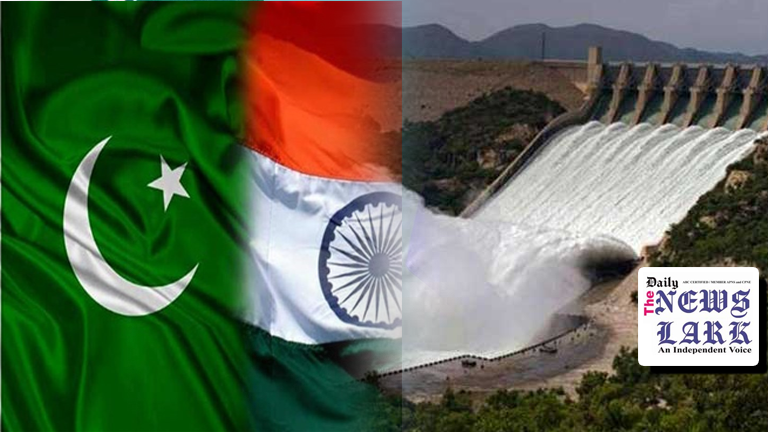
Pakistan’s water crisis has reached a critical stage, with both water availability and storage capacity falling below global benchmarks, according to a Pakistan Council for Water Resources Research report.
Experts warn that urgent measures are needed to avert severe long-term shortages.
Water availability below global scarcity limit
The report reveals that per capita water availability in Pakistan has dropped to only 733,000 liters annually — well below the global scarcity threshold of 1,000 cubic meters.
Alarmingly, 80% of the country’s annual water is available for just four months, leaving Pakistan in severe shortage for the remaining eight months of the year.
Storage capacity declining rapidly
Pakistan’s water storage capacity has also fallen to less than 10% of annual water availability, compared to the global average of 40%.
Officials warn that existing reservoirs are losing their lifespan due to soil sedimentation, further reducing their effectiveness in meeting demand. “Increasing water reserves is essential to storing water,” says the report.
Agriculture consumes most of the water
The report highlights that four major crops consume 75% of Pakistan’s agricultural water. Poor irrigation techniques and cultivation of water-intensive crops are worsening the crisis.
Just last night, Prime Minister Shehbaz Sharif said Pakistan would give a befitting response to India if it stopped water flow to Pakistan.
Addressing an event in connection with the World Youth Day, the premier said: “Enemy is talking about stopping the water flow to Pakistan. The enemy got drubbed at the hands of Pakistan on May 10.”