





















*By Brigadier Syed Karrar Hussain Shah (Retd.)*
It was the morning of October 10. I was reading the newspaper when a headline suddenly caught my attention: “World Mental Health Day Is Being Observed Today.” As I read the news, I was reminded of an old friend of mine, Mirza Sahib. There were only two things that truly mattered in his life: a steaming cup of tea and the cold indifference of his beloved!
One day, I asked him, “Mirza Sahib, why do you always look so quiet and worried?”
Taking a deep breath, he replied, “Sir, the doctor says I need peace of mind, while my beloved says she does not need me! Now, you tell me, whose advice should I follow?”
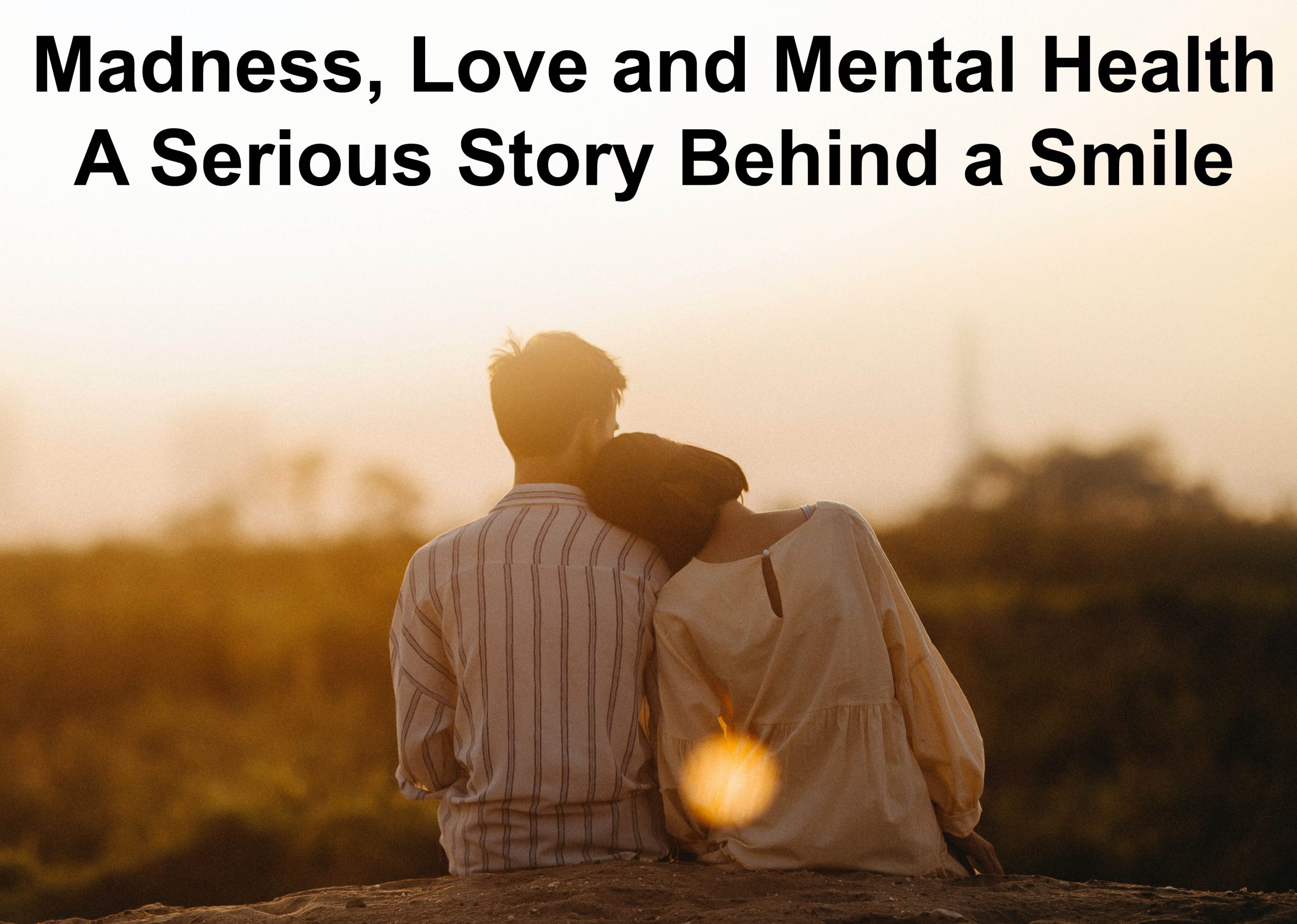
I burst into laughter, but the sadness hidden in his eyes made me think. Sometimes, a person wears a smile on their face while fighting a silent battle within—a battle whose noise cannot be heard by anyone else.
This is the story of mental health!
## Why Do We Observe World Mental Health Day?
World Mental Health Day is observed every year on October 10. Its purpose is to raise awareness about mental health, dispel misconceptions associated with mental illnesses, protect the rights of those affected, and encourage people to seek timely treatment and appropriate support.
According to the World Health Organization (WHO), mental health is an essential component of overall health and well-being. Being mentally healthy does not simply mean being free from a psychological disorder. It also involves the ability to understand and manage emotions, cope with stress, maintain relationships, and deal with the challenges of everyday life.
When we suffer from a physical illness, we usually rush to a doctor. If we have a fever, we look for a thermometer. If our blood pressure rises, we remember our medicines. But when grief weighs heavily upon our hearts and minds, we often say, “He is just a little weak-hearted. He will recover on his own.”
Sadly, we frequently recognise physical pain as an illness but dismiss emotional suffering as weakness, an excuse, or even madness.
## The Mad Lover of Urdu Literature and the Reality of Mental Illness
In Urdu literature, madness has not always been associated with illness. Sometimes, it represents the ultimate intensity of love, sometimes devotion to the beloved, and sometimes a silent protest against the insensitivity of the world.
Mirza Ghalib once wrote:
Ishq ne Ghalib nikamma kar diya,
Warna hum bhi aadmi thay kaam ke!
Love has rendered Ghalib useless, otherwise, he too was once a man of some worth!
This humorous couplet captures the playful side of romantic suffering. A lover who stays awake all night remembering his beloved may be found dozing at his office the following morning—and that is when he begins paying the price of love!
Consider another famous couplet:
Hum ne maana ke taghaful na karoge lekin,
Khak ho jayenge hum tum ko khabar hone tak.
I accept that you may not remain indifferent forever, but I may turn to dust before you even realise what I have endured.
Here, madness signifies the intensity of love and the pain of indifference. But let us pause for a moment. It is essential to distinguish literary madness from genuine mental illness. A person cannot be labelled mentally ill simply because they are deeply in love. Similarly, calling someone “mad” merely because they are experiencing psychological difficulties is unjust and insensitive.
In our society, if someone behaves differently, experiences unusual distress, or begins withdrawing from others, people are quick to pass a judgement: “There is something wrong with his mind!”
What we often fail to understand is that the person may be experiencing trauma, severe stress, loneliness, anxiety, or depression.
*Mental illness is not a character defect, and seeking treatment should never be a source of shame.*
## Mirza Sahib’s Psychological Consultation!
One day, I advised Mirza Sahib to consult a mental health professional.
He immediately asked, “Brigadier Sahib, what will people say?”
I replied, “People already say that you have gone mad in love! At least a doctor will listen to you and offer appropriate guidance.”
Mirza Sahib promptly responded, “But can the doctor bring my beloved back?”
“No,” I replied, “but perhaps the doctor can help you reclaim your own life!”
This time, he fell silent.
That was the moment when the humour ended and the real lesson of life began. Seeking professional help is not a sign of madness. It is a wise step towards understanding one’s condition and moving towards a healthier life.
There is another troubling attitude in our society. When a man remains distressed for a long time, people tell him, “Be a man! Be strong! Never show your weakness to anyone.” It is as though men have no feelings, and shedding a tear somehow diminishes their masculinity.
The truth is that courage does not mean appearing strong at every moment. Sometimes, acknowledging one’s pain, speaking to someone trustworthy, and seeking professional treatment when necessary are also acts of courage.
## Mental Health and Our Social Responsibility
In a country like Pakistan, unemployment, economic hardship, domestic conflicts, academic pressure, loneliness, violence, and uncertainty about the future can become significant sources of psychological distress.
Social media has made communication easier, but it has also encouraged people to compare their lives with the apparently happy lives of others. Seeing photographs of other people’s celebrations, achievements, and luxuries can make some individuals feel that their own lives are failures. Yet nobody knows the complete reality behind those pictures.
We must create an environment in our homes, educational institutions, workplaces, and communities where people can express their worries without fear of ridicule or judgement.
Instead of immediately offering a long lecture of advice to someone who is grieving, we should first listen to them. Not every problem can be solved with a single sentence, and not every sadness can be answered by saying, “Just think positively.”
Sometimes, a person needs compassion before advice, an accurate diagnosis before treatment, and an understanding ear before criticism.
A little kindness can sometimes open a door that a hundred sermons have failed to unlock.
## How Can We Maintain Good Mental Health?
In the light of general health guidance, several practical steps can help us improve our emotional well-being.
*First, get sufficient sleep.* Regular and adequate sleep is important for peace of mind, concentration, and emotional balance.
*Second, remain physically active.* Daily walking or exercise according to one’s ability can help reduce stress and improve mood.
*Third, maintain social connections.* Spend time with family members and trustworthy friends. Instead of keeping every worry locked inside, talk to someone who is willing to listen attentively.
*Fourth, seek comfort through worship and spiritual connection.* Prayer, recitation of the Holy Quran, supplication, and remembrance of Allah provide comfort and hope to many people. However, in cases of serious mental illness, spiritual support should complement—not replace—appropriate medical treatment.
*Fifth, use social media wisely.* Take breaks from unnecessary comparisons, negative news, and excessive screen time. Remember that what people display online is rarely the complete story of their lives.
*Sixth, seek professional help when necessary.* If sadness, anxiety, sleep disturbances, or difficulties in performing everyday activities persist, consult a qualified mental health professional or medical practitioner. Timely assistance can significantly improve quality of life.
*Seventh, show compassion towards others.* Never ridicule, stigmatise, or humiliate someone experiencing mental health difficulties. Nor should their condition automatically be attributed to a lack of faith or willpower.
Our responsibility is not to diagnose everyone around us but to recognise distress, offer support, and encourage appropriate care.
## Conclusion: Who Is Truly Mad?
That evening, I met Mirza Sahib again. This time, his face seemed less burdened by sadness.
I asked him, “Has your beloved finally called you?”
He smiled and replied, “No, sir! But I have made an appointment with a doctor. I have decided that, alongside remembering my beloved, I must also take care of my health.”
I said, “Wonderful, Mirza Sahib! At last, you have become a sensible man.”
He responded with a smile, “Sir, being madly in love is one thing; declaring war on one’s own health is quite another!”
We both burst into laughter.
That day, I realised that perhaps true madness does not lie in someone becoming deeply absorbed in love. Perhaps the greater madness is when a society closes its eyes to the suffering of its own people.
Someone may be silently breaking inside, yet we dismiss them as weak and walk away. Someone may ask for help, yet we turn their pain into a subject of ridicule.
Allama Muhammad Iqbal wrote:
Dil-e-murda dil nahin hai, ise zinda kar dobara,
Ke yahi hai ummaton ke marz-e-kuhan ka chara.
A lifeless heart is no heart at all; breathe life into it once again, for this is the remedy for the age-old ailments of nations.
These verses convey a powerful message of collective awakening and renewed vitality. In the context of mental health, too, we must revive the spirit of empathy, compassion, and action within ourselves.
Let us build a society where asking for help is considered a sign of wisdom rather than weakness, where a person in distress is met with understanding rather than ridicule, and where mental illness is treated with the same seriousness and dignity as physical illness.
Let us remember that behind every smile may lie a story we have never heard, behind every silence a struggle we have never understood, and behind every troubled heart a human being who deserves care.
*Love may make us restless, grief may make us silent, and life’s challenges may sometimes overwhelm us—but none of these should deprive us of our right to dignity, understanding, and healing.*
Perhaps the greatest act of humanity is not merely to recognise another person’s suffering, but to make that person feel that they do not have to suffer alone.