





















By Brig Syed Karrar Hussain Retired
Every year, Father’s Day is observed around the world to recognize and appreciate the invaluable role fathers play in the lives of their children, families, and society. While love, respect, and gratitude towards parents should not be confined to a single day, Father’s Day serves as an important reminder of the sacrifices, dedication, and lifelong commitment of fathers. It is an opportunity for children and society to acknowledge the contributions of those who work tirelessly to provide protection, guidance, and support to their families.
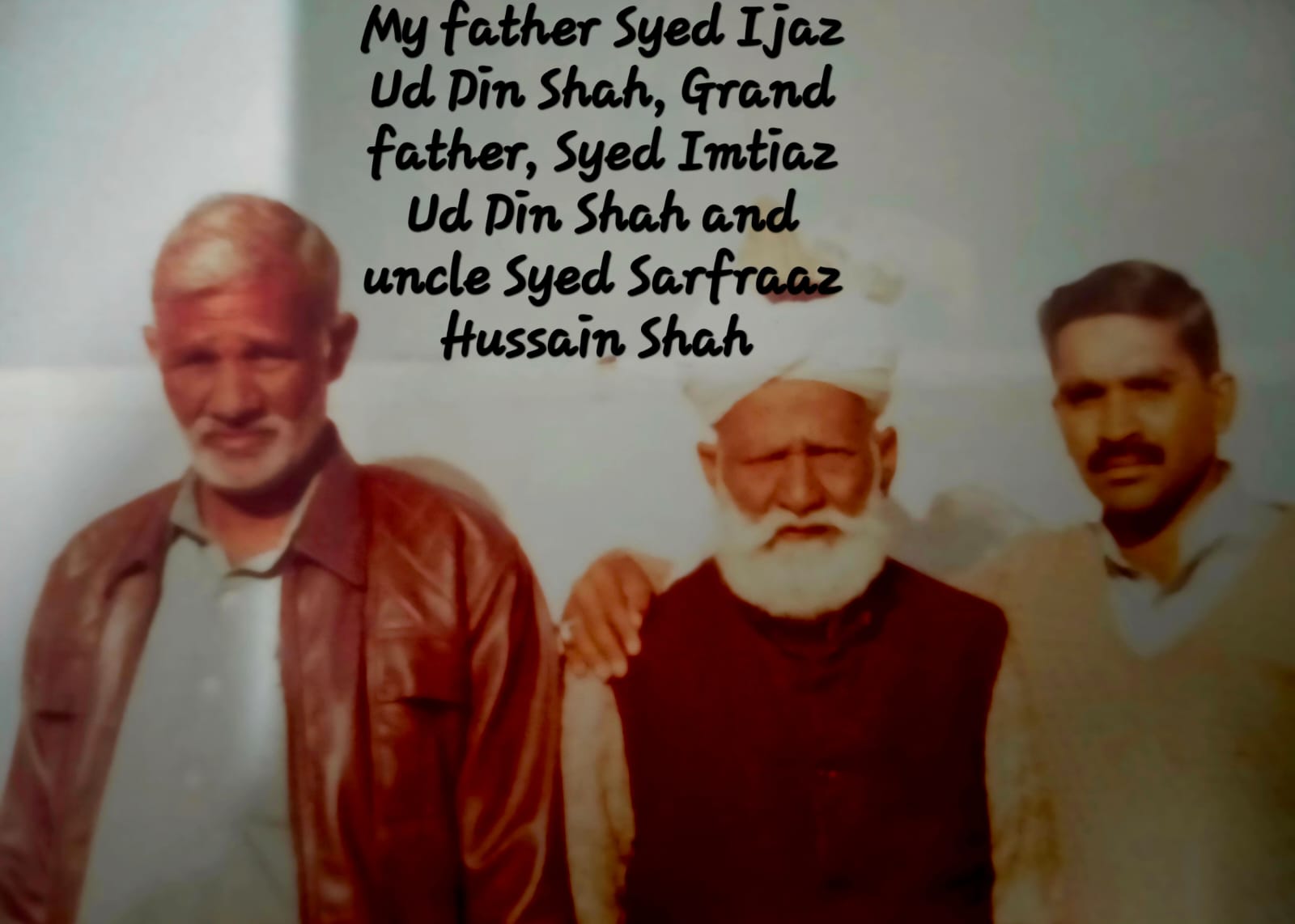
A father is much more than a provider of food, shelter, and education. He is a mentor, protector, teacher, role model, and source of strength. Behind the success of many individuals lies the silent struggle and sacrifice of a father who often puts the needs of his family above his own desires and comfort. Today, I pay my heartfelt tribute to my late grandfather Syed Imtiaz Ud Din Shah and my late
Father Syed Ijaz Ud Din Shah, who migrated to Pakistan on the order of father of the nation Quaid-e-Azam Muhammad Ali Jinnah, leaving all proprietary in India and brought us up with hard work despite financial difficulties.
The Importance of Father’s Day
Father’s Day is not merely a celebration; it is a tribute to the countless fathers who dedicate their lives to the welfare of their families. The day encourages people to express their love and appreciation through words, actions, and care.
In today’s fast-paced world, where professional commitments and digital distractions consume much of our time, many people unintentionally neglect the emotional needs of their parents. Father’s Day provides an occasion to reconnect with fathers, spend quality time with them, and acknowledge their efforts and sacrifices.
The observance of Father’s Day also highlights the importance of strong family values. Families are the foundation of every society, and fathers play a crucial role in maintaining stability, discipline, and unity within the family structure.
The Father of a Nation: The Example of Quaid-e-Azam
Just as every family has a father who guides and protects it, nations often have visionary leaders who serve as founding fathers. Pakistan is fortunate to have been blessed with the leadership of Muhammad Ali Jinnah, respectfully known as Quaid-e-Azam and the Father of the Nation.
Quaid-e-Azam devoted his life to securing a separate homeland for the Muslims of the subcontinent. Through determination, wisdom, and unwavering commitment, he led a historic struggle that culminated in the creation of Pakistan in 1947. Like a caring father, he envisioned a prosperous, democratic, and inclusive state where citizens could live with dignity and freedom.
His famous principles of unity, faith, and discipline continue to guide the nation. Quaid-e-Azam’s leadership demonstrates how a fatherly figure can inspire, protect, and shape the future of an entire nation. His sacrifices remind us that true leadership is rooted in service, responsibility, and selflessness.
The Role of a Father in the Family
The family is the basic unit of society, and the father is one of its strongest pillars. His role extends far beyond earning a livelihood. A father helps shape the character, values, and aspirations of his children.
One of the most important responsibilities of a father is the upbringing and education of his children. He teaches discipline, honesty, courage, and resilience. Through his actions and conduct, he sets an example that children often follow throughout their lives.
A father provides emotional security and confidence. His guidance helps children navigate challenges, make informed decisions, and develop a sense of responsibility. Many successful men and women attribute their achievements to the encouragement and support they received from their fathers.
In addition, fathers play a critical role in maintaining harmony within the family. Their wisdom and experience often help resolve conflicts and guide family members through difficult times. A strong and caring father contributes significantly to the emotional and social well-being of the entire household.
How We Should Care for Our Fathers During Their Lifetime
Respect and kindness towards parents occupy a central place in all major religions, particularly in Islam. The Holy Qur’an repeatedly emphasizes obedience, respect, and compassion towards parents.
When fathers are alive, children should make every effort to honor and care for them. Respect should not be limited to words but reflected in actions. Listening attentively to their advice, consulting them on important matters, and treating them with dignity are among the simplest yet most meaningful ways of showing appreciation.
As fathers grow older, they often face health challenges, loneliness, and reduced physical strength. At this stage, they need emotional support and companionship more than ever. Spending time with them, ensuring their medical care, and helping them maintain an active and dignified life are important responsibilities of their children.
Financial support, where needed, should be provided willingly and respectfully. More importantly, children should never make their parents feel like a burden. A father who spent decades caring for his family deserves love, respect, and gratitude in return.
Our Responsibilities After the Death of Our Father
The relationship between a child and a father does not end with death. Although physical presence comes to an end, the bond of love, respect, and responsibility continues.
One of the greatest gifts children can offer a deceased father is sincere prayer. In Islamic teachings, the prayers of righteous children continue to benefit their parents after death. Therefore, children should regularly pray for their father’s forgiveness, mercy, and elevation of status in the hereafter.
Charitable acts performed in the father’s name, such as supporting educational institutions, helping the needy, or contributing to community welfare, are meaningful ways of honoring his memory. If the father left any unpaid debts or unfulfilled obligations, children should strive to settle them whenever possible.
Maintaining good relations with relatives, friends, and associates of one’s father is another important form of loyalty and respect. Preserving the values, principles, and traditions that he cherished is perhaps the most lasting tribute a child can offer.
Guidance for the Younger Generation
Young people should recognize that parents, particularly fathers, are among the greatest blessings in life. The demands of modern life, social media, and personal ambitions should never cause them to neglect their parents.
Youth should learn from the experiences and wisdom of their fathers. What may seem like strictness or caution is often the result of years of experience and genuine concern for their well-being. Instead of dismissing parental advice, young people should value it as guidance born of love and sacrifice.
They should also make a conscious effort to spend time with their parents, celebrate their achievements, and support them emotionally. Respecting parents is not only a moral duty but also a source of personal success, inner peace, and social harmony.
A society that teaches its youth to honor their parents lays the foundation for a stronger and more compassionate future.
Responsibilities of Society Towards Fathers
The welfare of fathers, especially elderly fathers, is not solely the responsibility of individual families. Society as a whole has an important role to play.
Governments should develop policies that support senior citizens through accessible healthcare, social protection programs, pensions, and community services. Public institutions should ensure that elderly people are treated with dignity and respect.
Educational institutions, religious organizations, and the media should promote awareness about family values and the importance of respecting parents. Campaigns highlighting the sacrifices of fathers can help strengthen family bonds and encourage younger generations to fulfill their responsibilities.
Communities should also establish support networks for elderly individuals who may be living alone or facing financial difficulties. The growing trend of isolation among older people should be addressed through collective social efforts.
Conclusion
Father’s Day is a meaningful occasion to reflect upon the invaluable contributions of fathers in our lives. Fathers are the guardians of family values, providers of security, and mentors who guide future generations. Their sacrifices often go unnoticed, yet they form the foundation upon which strong families and successful societies are built.
We should honor our fathers not only on Father’s Day but throughout the year through love, respect, service, and gratitude. While they are alive, we must care for them with kindness and dignity. After their passing, we should continue to remember them through prayers, charitable deeds, and by upholding the values they taught us.
A father is like a strong tree that stands firmly in the heat and storms of life so that his children may enjoy shade, comfort, and protection. Recognizing and appreciating this noble role is essential for building stronger families, healthier communities, and a more compassionate society.I hope this will be suitable for publication in a newspaper, magazine, or Father’s Day special supplement. May Allah bless all fathers who have devoted their lives to the welfare of their families and grant mercy to those who have passed away. Ameen.