















By: Yawar Mehdi
Pakistan’s history is illuminated by examples of generosity and sacrifice that are unparalleled in the world. Before addressing the modern challenges of charity, I owe it to the legacy of our nation to pay tribute to those great personalities who, during the difficult birth of our state, donated their entire assets to the nascent country. We cannot forget the Nawab of Bahawalpur, Sir Sadiq Muhammad Khan Abbasi, whose immense contributions supported a faltering economy, or Sir Adamjee Haji Dawood and other luminaries who opened their coffers at the call of the Quaid-e-Azam. It was Mirza Ahmad Ispahani who provided the state with its “wings” by founding Orient Airways, the foundation upon which our national airline, PIA, was later built. These were “rare pearls” whose generosity aimed solely at seeking Divine pleasure and ensuring the stability of Pakistan.
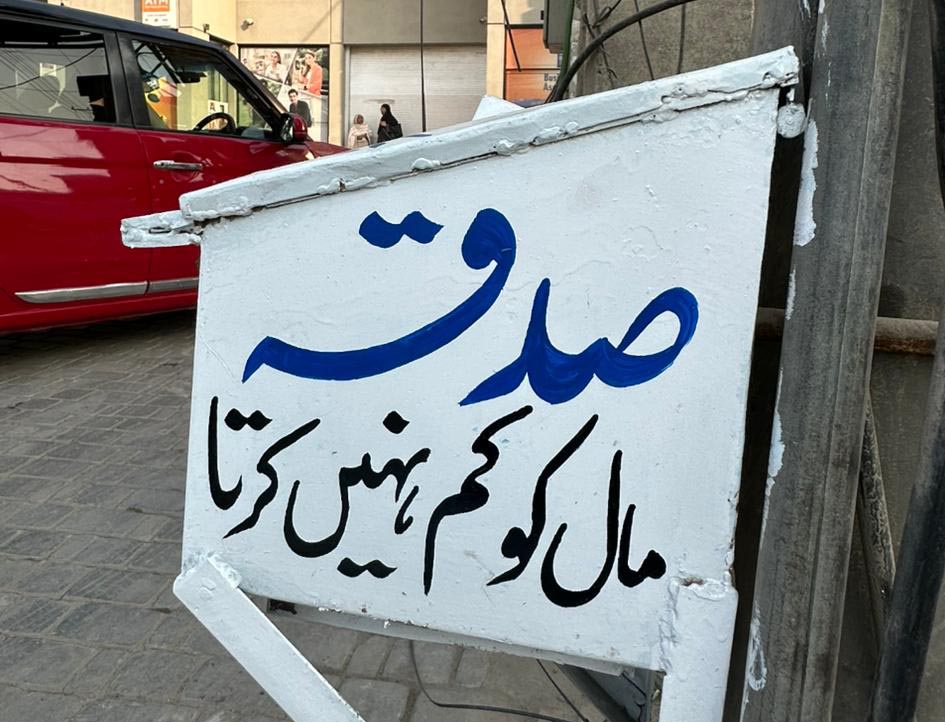
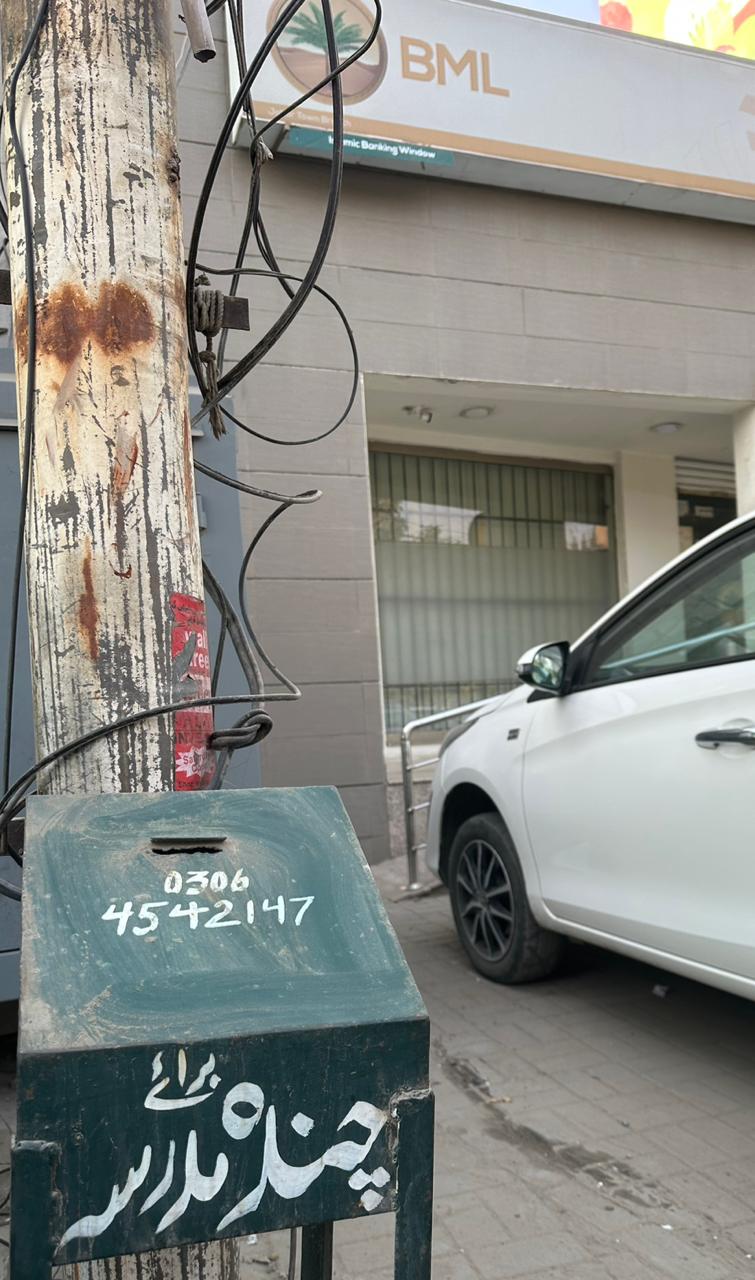
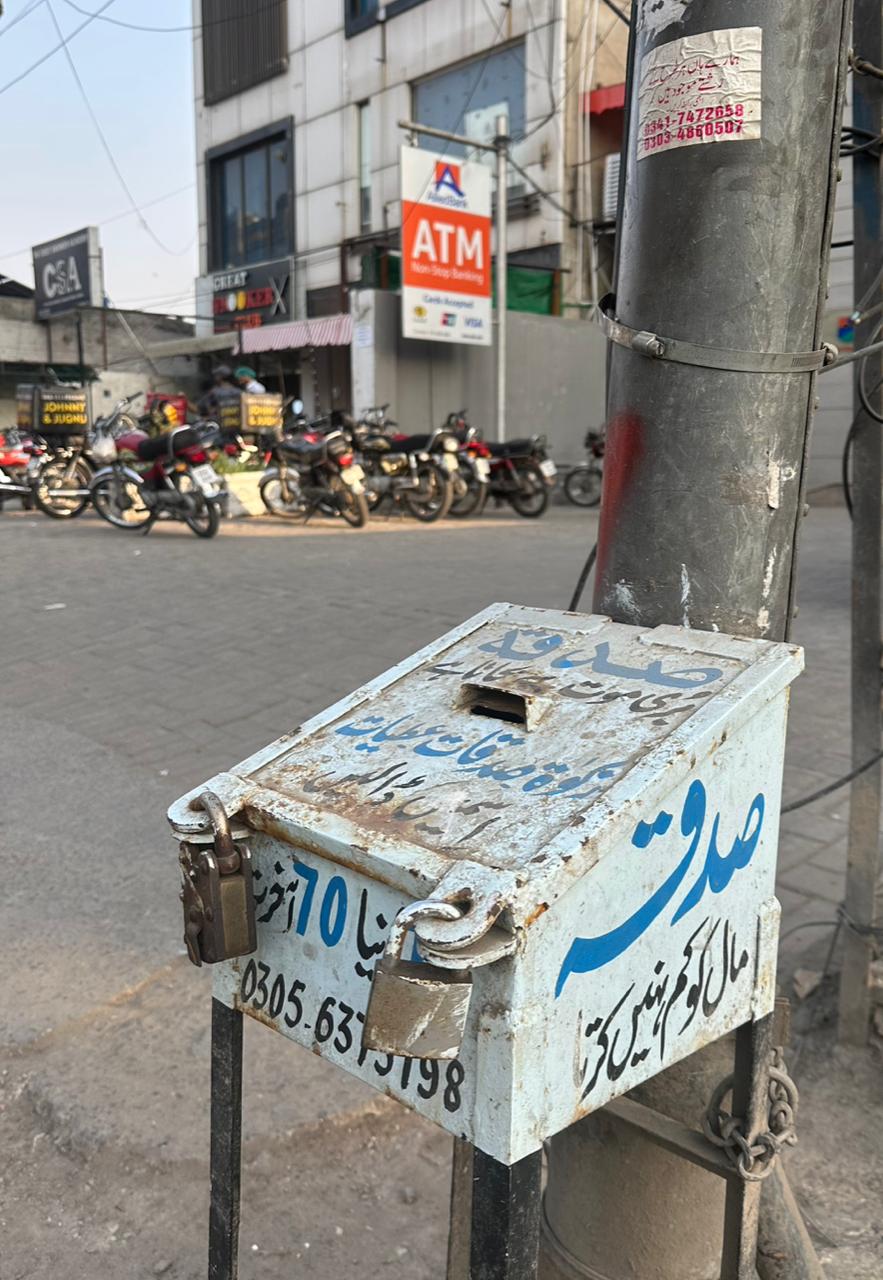
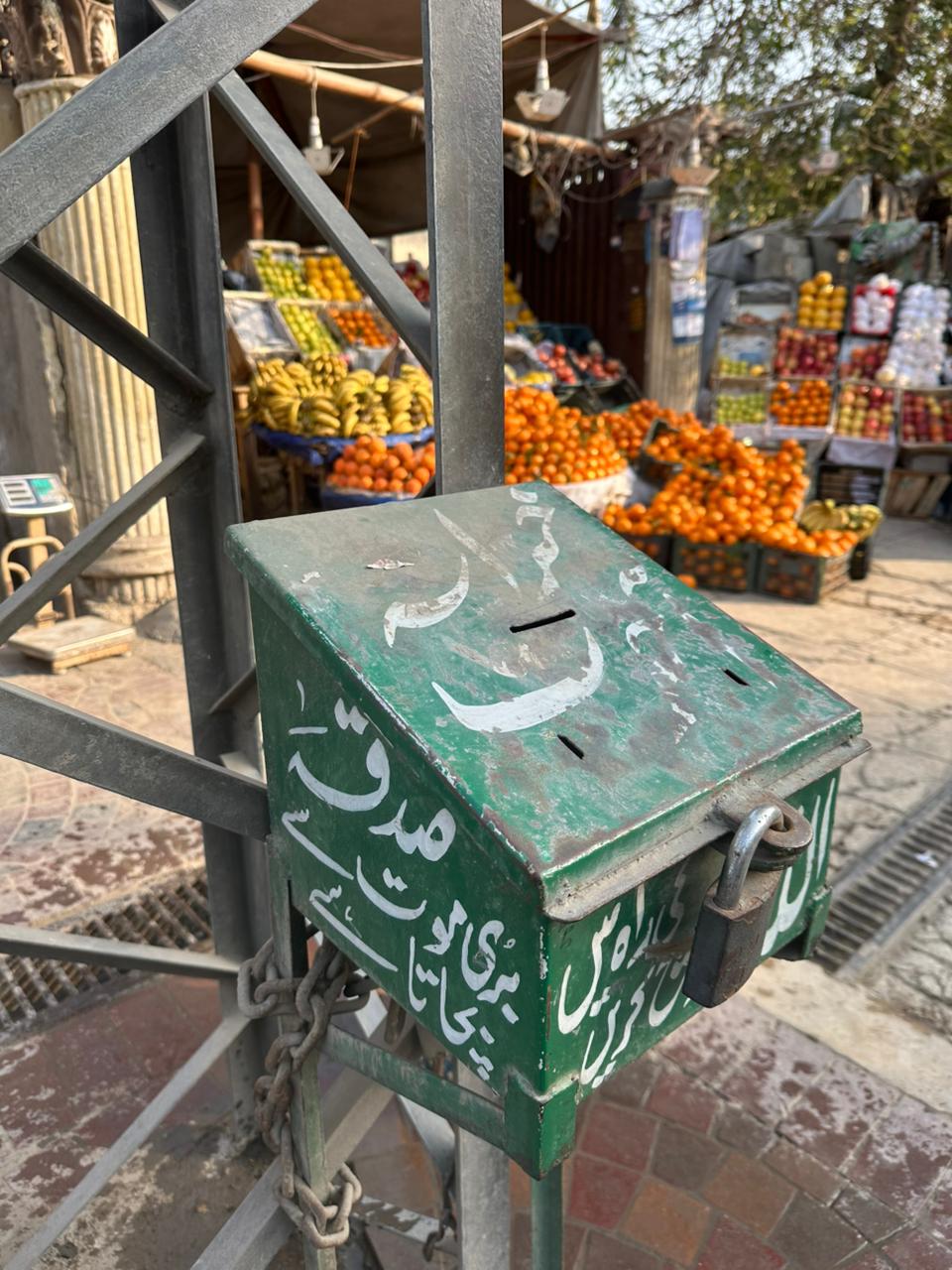
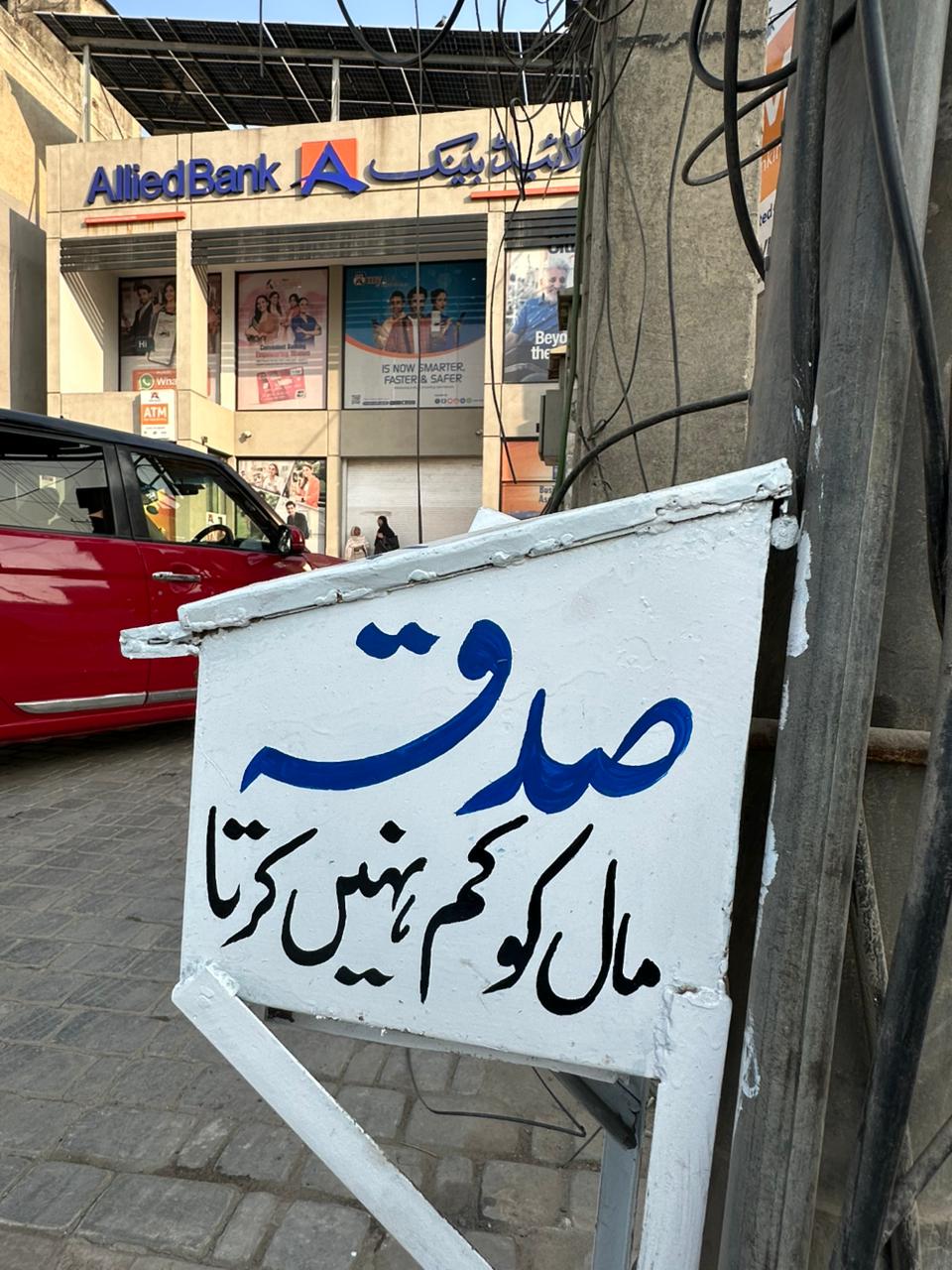
Yet, it is a tragic irony that in this same Pakistan, the last four decades have seen serious, unrest fueling crimes given free rein through “nameless donation boxes.” While the Punjab government has recently made strides in banning extremist organizations from collecting funds, the silent crime of the “nameless box” remains hidden in plain sight, blinding the eyes of the administration. One must ask: where is the state’s writ in the face of this anonymous network? Whether in the posh sectors of Islamabad or the narrow, bustling markets of Lahore, these boxes await at every intersection, shopping mall, and bank from Khyber to Karachi. Adorned with emotive catchphrases such as “Keep your hand on the head of an orphan” or “Charity averts evil,” they extract billions from a well meaning public by playing on their deepest religious sentiments. In reality, this constitutes an undocumented financial system that openly challenges the sovereignty of the state.
History witnesses our repeated failures to curb this menace. The blood of the young martyrs of the Army Public School and the loss of thousands of lives to domestic instability remain a grave concern for the state. In 2015, it was resolved under Point 6 of the National Action Plan to dismantle the financial networks of terrorists. While the governments of that era showed initial agility, the effort eventually succumbed to traditional lethargy and was buried in files. Today, in 2026, these boxes are more prevalent than ever. It is a profound irony that while the boxes themselves are secured by heavy chains and unbreakable locks, the funds within roam as freely as a “camel without a leash”periodically fueling the very elements that target our citizens and the defenders of our borders. As the first Ashra of Ramadan passes, this suspicious network becomes hyper active, siphoning off billions in unregulated wealth under the guise of piety.
The time has come for the Prime Minister to issue emergency directives to the Federal Interior Minister and all Chief Ministers to implement a “Ramadan Nigahban Ordinance” across the country. This is a critical test of provincial performance, these illegal boxes must be taken into state custody under the direct supervision of Divisional Commissioners and District Police Officers. Drawing on my long experience serving different political governments , I suggest that these boxes be placed under permanent government control, with a transparent official record maintained for every rupee received. These funds should be diverted toward a productive social safety net, such as establishing “State Tables” Dastarkhwan (دسترخوان) outside every government hospital in the country.
By partnering with reputable, well known NGOs already engaged in charitable work of Dastarkhwan (دسترخوان) , the state can ensure this process is organized, safe, and effective. The question remains: which province will be the first to lead the way toward this transparent system? Until these nameless boxes are brought under the state’s accounting, a stinging question will continue to haunt our governance: “Where do those who spread unrest get their fuel?” If we do not close these silent routes today, the generations of tomorrow will never forgive our silence.
Yawar Mehdi,the writer is a former civil servant committed to strengthening transparency & building a more responsible society.