














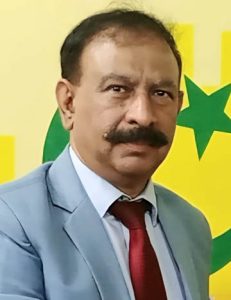
By Brig Syed Karrar Hussain Retired
Special Article on the International Day for the Elimination of Child, Early and Forced Marriage – November 27, 2026**
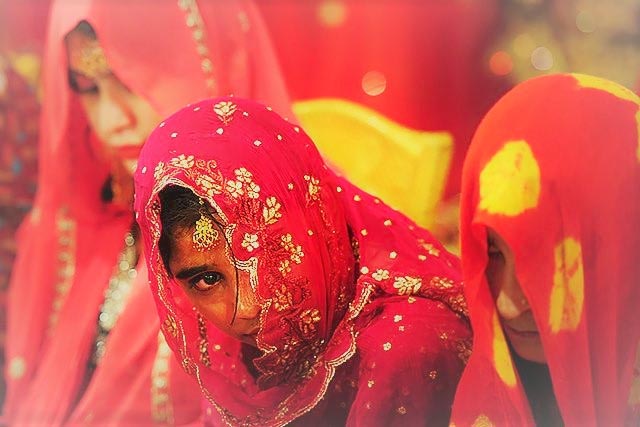
Marriage is one of the most important institutions of human civilization. It represents love, companionship, responsibility and the foundation of a family. However, marriage should be based on maturity, free consent and mutual understanding. When children are pushed into marriage before they are physically, mentally and emotionally prepared, or when individuals are forced to marry against their will, this sacred institution becomes a source of suffering rather than happiness. Child, early and forced marriages are not merely family matters; they are serious social, educational, health and human rights challenges that demand urgent attention.
The Purpose of International Day
The United Nations General Assembly adopted Resolution A/RES/80/309 on September 4, 2026, establishing November 27 as the International Day for the Elimination of Child, Early and Forced Marriage. The day will be observed for the first time in 2026. Its purpose is to raise global awareness, mobilize governments, strengthen legislation and encourage communities to protect children, particularly girls, from harmful marriage practices. According to the United Nations, approximately 12 million girls are married before reaching the age of 18 every year, while an estimated 650 million women and girls alive in 2026 were married during childhood. The international community must recognize that every child deserves education, protection, dignity and the opportunity to decide their own future when they reach adulthood.
A Global Social Challenge
Child and forced marriages remain widespread in several regions of the world, particularly in South Asia and sub-Saharan Africa. Poverty, illiteracy, gender discrimination, insecurity, traditional customs, human trafficking and economic pressures are among their major causes. In certain societies, families arrange early marriages to reduce financial responsibilities, protect what they consider family honour, or settle disputes and debts. In other cases, girls are abducted, threatened or emotionally blackmailed into marriage. Such practices deprive young people of their fundamental rights and expose them to domestic violence, exploitation, psychological trauma and lifelong dependency. Forced marriage is also a violation of the principle of free and informed consent, which must remain central to every lawful and ethical marriage.
Child Marriage: Challenges for Pakistan
Pakistan is also facing this serious challenge. Although considerable progress has been made through legislation and awareness campaigns, child marriage remains a concern in different parts of the country. According to the National Commission on the Rights of the Child’s State of Children in Pakistan 2025 report, analysis of the 2023 Census identified approximately 547,708 marriages involving children aged 10–17 that fell below the legal age applicable at the time of the census. This demonstrates the scale of the problem and the need for effective implementation of laws.
Early marriage can have serious consequences for Pakistan’s social and economic development. A girl who leaves school to become a wife and mother loses opportunities for higher education, professional development and financial independence. A boy who assumes family responsibilities before achieving emotional and economic maturity may also face frustration, unemployment and psychological pressure. When two young people lack the maturity to understand the responsibilities of marriage, misunderstandings, conflicts, family disputes and even separation or divorce may become more likely. These outcomes are not inevitable, but the risks increase when marriage is imposed before individuals are ready.
Health and Population Consequences
One of the most alarming consequences of early marriage is its impact on maternal and child health. Adolescent girls are more vulnerable to complications associated with early pregnancy and childbirth, including anaemia, pregnancy-related hypertension, obstructed labour and other serious medical conditions. Babies born to very young mothers may also face increased risks of premature birth and low birth weight. Early pregnancy can interrupt education, limit economic opportunities and create long-term physical and psychological difficulties.
Early marriage can also contribute to rapid population growth, particularly where young couples begin childbearing earlier and have limited access to reproductive health information and family planning services. Pakistan already faces significant challenges relating to population growth, unemployment, education, housing, water and healthcare. Protecting young people from premature marriage, alongside voluntary family planning and education, can contribute to a healthier and more sustainable society.
Recommendations for Government and Lawmakers
Pakistan needs a comprehensive and consistent national strategy to eliminate child and forced marriages. Encouragingly, legislation has progressed, including the Sindh Child Marriage Restraint Act 2013 and the Islamabad Capital Territory Child Marriage Restraint Act 2025. Recent developments have also strengthened the legal position in other parts of the country. The government should ensure that the minimum legal age of marriage is 18 years for both boys and girls throughout Pakistan, with no discriminatory exceptions.
The following measures deserve priority:
1. *Uniform legislation:* Ensure that all provinces and territories maintain a minimum marriage age of 18 years for both sexes, supported by clear and enforceable legal provisions.
2. *Strict implementation:* Take action against individuals who arrange, facilitate, solemnize or register illegal child marriages, while ensuring that children are treated as victims requiring protection rather than punishment.
3. *Mandatory age verification:* Require reliable documentary age verification before Nikah registration and strengthen accountability of Nikah registrars and relevant authorities.
4. *Protection against forced marriage:* Establish effective complaint mechanisms, emergency protection services and legal assistance for individuals facing threats, abduction or coercion.
5. *Education and awareness:* Introduce school-based programmes and community campaigns explaining the consequences of child marriage, gender discrimination and forced marriage.
6. *Support for vulnerable families:* Expand scholarships, financial assistance and social protection programmes so that poverty does not become a reason for marrying off children.
7. *Institutional coordination:* Strengthen cooperation among the Ministry of Human Rights, provincial governments, police, educational institutions, healthcare providers and child protection authorities.
Responsibilities of Parents and Families
Parents have a fundamental responsibility to protect their children and prepare them for a successful future. Marriage should never be treated as a solution to poverty, family disputes or social pressure. Parents should encourage both daughters and sons to complete their education, develop practical skills and become emotionally and financially responsible adults. They must listen to their children’s concerns, respect their personal dignity and never use threats, emotional blackmail or force to arrange a marriage.
Families should also understand that a successful marriage requires patience, communication, mutual respect and maturity. Religious and cultural values should promote compassion, justice and the protection of vulnerable members of society, rather than justify harmful practices. Religious scholars, teachers, community leaders and the media can play an important role in changing attitudes and educating parents.
Conclusion: Let Every Child Dream
A nation’s future is shaped not merely by its economic resources or military strength, but by the quality, education and well-being of its people. Children are not born to carry the burdens of adult responsibilities before their time. They deserve classrooms instead of premature domestic obligations, opportunities instead of restrictions, and protection instead of pressure.
On this International Day, Pakistan and the international community must renew their commitment to ending child, early and forced marriages. Let us build a society where every marriage is based on free consent, maturity, dignity and mutual respect.
*A child deserves a childhood, a young person deserves an education, and every individual deserves the freedom to choose their life partner without fear or coercion. Protecting childhood today means protecting the future of humanity tomorrow.*
Brig Syed Karrar Hussain’s slogan
“We must not marry off our children’s dreams; we must marry our national policies with their dreams.