


















Mukhtar Ahmed Butt : The writer is a freelance journalist and defence Analyst.
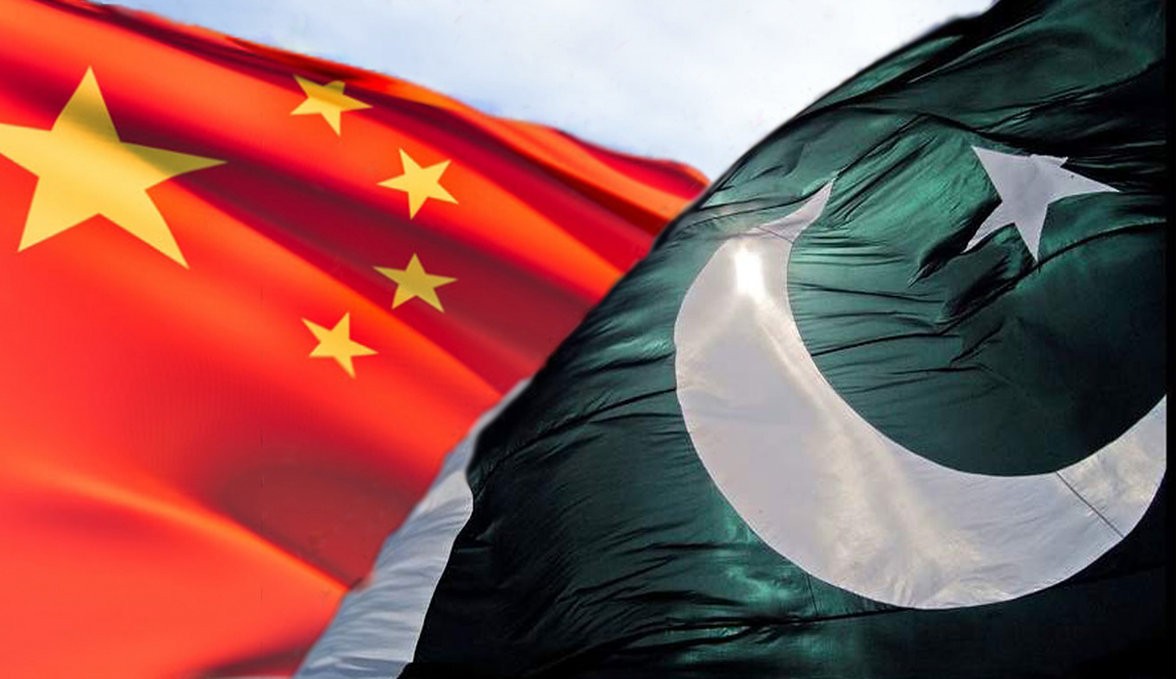
Pakistan and China are celebrating 75 years of diplomatic relations this year. The milestone highlights their long-standing strategic partnership. It also reflects expanding cooperation in multiple fields. Both countries describe each other as “all-weather strategic partners.” Over time, they have strengthened their relationship through consistent collaboration. The China-Pakistan Economic Corridor (CPEC) remains the central pillar of this partnership. The CPEC has brought more than $25 billion in investments to Pakistan. It has created over 261,000 jobs across different sectors. Pakistan has developed several major projects under the CPEC. Energy and infrastructure projects lead this progress. The Sahiwal Coal Power Plant supplies significant electricity to the national grid. The Karot Hydropower Project strengthens clean energy generation. Urban transport has also improved with the Lahore Orange Line Metro Train. Millions of passengers have used this service since its launch. The Matiari-Lahore HVDC transmission line improves electricity flow across regions. Gwadar Port in Baluchistan serves as a strategic trade hub. Authorities have expanded its infrastructure through multiple supporting projects. These include Gwadar International Airport and a desalination plant. Social projects also support healthcare and education in the region. Khyber Pakhtunkhwa benefits from the Suki Kinari Hydropower Project. The Rashakai Special Economic Zone promotes industrial investment and job creation. Sindh has seen growth through Thar coal power projects. The Sukkur-Multan Motorway improves transport efficiency and trade connectivity. China has remained Pakistan’s largest trading partner for more than ten years. Bilateral trade continues to grow steadily each year. Both countries are increasing cooperation in industrial development. New investments focus on manufacturing and special economic zones. These projects aim to create thousands of new jobs in Pakistan. They also support long-term economic stability.
Pakistan and China extend cooperation into multiple non-economic sectors. They collaborate in agriculture, education, and space technology. China has already helped launch several Pakistani satellites. Both countries also plan to send Pakistan’s first astronaut to the Tiangong space station. China supported Pakistan during floods and other natural disasters. It also contributed to healthcare and education initiatives across the country. Academic exchange programs continue to grow between universities. Many Pakistani students now study in China. Educational cooperation strengthens people-to-people connections. Officials say the partnership is moving into a new phase called CPEC 2.0. This phase focuses on innovation and green development. It also prioritizes social sector improvement. Both countries expect this new phase to deepen their strategic partnership. It will further strengthen cooperation in the coming years.
While the Pakistan–China partnership has continued to grow from strength to strength, it has not been without challenges. In recent years, Chinese nationals working on various development and power projects in Pakistan were targeted in a number of terrorist incidents carried out by enemies of Pakistan seeking to undermine this strategic relationship. These unfortunate events were widely condemned by the people and government of Pakistan. In response, Pakistan has taken comprehensive and robust security measures, significantly enhancing protection for Chinese personnel and CPEC-related projects. Dedicated security divisions, improved intelligence coordination, and stricter on-ground protocols have been implemented to ensure a safe working environment. These efforts have been acknowledged and have led to a high level of confidence and satisfaction on the part of China. The recent visit of Asif Ali Zardari to China further reinforced the depth of this relationship. The visit served as an opportunity to convey Pakistan’s profound gratitude to the Chinese leadership for their unflinching and consistent support across all sectors. It also reaffirmed that despite minor differences that may arise from time to time, the bond between Pakistan and China remains unbreakable—rooted in brotherhood, mutual trust, and shareddestiny. China and Pakistan share an “all-weather strategic cooperative partnership,” with military collaboration serving as a cornerstone of their relationship. China is the primary supplier of Pakistan’s military hardware, accounting for the vast majority of its arms imports, including fighter jets, naval frigates, submarines, and missile systems. Beyond direct sales, the two nations engage in extensive joint projects, such as the development of the JF-17 Thunder combat aircraft and the co-production of main battle tanks. This defense alliance is largely rooted in their shared strategic interest in balancing against regional rivalries, particularly India. Additionally, China has historically provided critical technical and strategic support, including assistance in developing Pakistan’s nuclear and missile programs, and they maintain ongoing cooperation through joint military exercises, intelligence sharing, and security support for shared infrastructure projects like the China-Pakistan Economic Corridor (CPEC).
China and Pakistan share an “all-weather strategic cooperative partnership,” with military collaboration serving as a cornerstone of their relationship. China is the primary supplier of Pakistan’s military hardware, accounting for the vast majority of its arms imports, including fighter jets, naval frigates, submarines, and missile systems. Beyond direct sales, the two nations engage in extensive joint projects, such as the development of the JF-17 Thunder combat aircraft and the co-production of main battle tanks. This defense alliance is largely rooted in their shared strategic interest in balancing against regional rivalries, particularly India. Additionally, China has historically provided critical technical and strategic support, including assistance in developing Pakistan’s nuclear and missile programs, and they maintain ongoing cooperation through joint military exercises, intelligence sharing, and security support for shared infrastructure projects like the China-Pakistan Economic Corridor (CPEC).
The writer is freelance journalist and defense analyst