




















By Brig Syed Karrar Hussain Retired
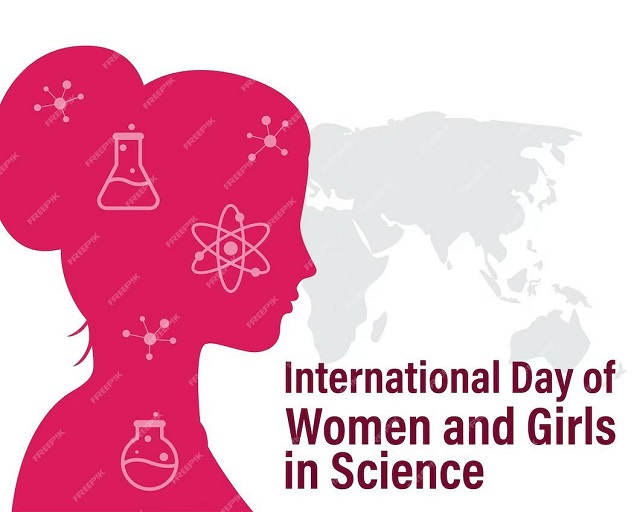
Every year on 11 February, the world observes the International Day of Women and Girls in Science. This day—a resolution of the United Nations General Assembly—celebrates the critical role that women and girls play in science and technology, and raises awareness about persistent gender gaps in these fields. Although women constitute half of the world’s population and demonstrate great potential in all domains, they remain underrepresented in science, technology, engineering, and mathematics (STEM). This annual observance calls nations, communities, and institutions to reaffirm their commitment to gender equality in science, ensuring that women and girls not only participate but also lead in scientific discovery, innovation, and problem-solving.
Background and Importance of the Day
The journey toward recognizing the contributions of women in science began with increasing global attention to gender inequality in education and employment. For decades, women scientists have made remarkable contributions—from Marie Curie’s pioneering work in radioactivity to Rosalind Franklin’s key insights into DNA structure. Yet their achievements have often been overlooked, and opportunities for girls and women in science have been limited by cultural biases, unequal access to education, lack of role models, and institutional barriers.
In 2015, the United Nations formally established 11 February as the International Day of Women and Girls in Science through resolution 70/212. The resolution calls for full and equal access to and participation in science for women and girls and stresses that gender equality is crucial for sustainable development and economic growth. By highlighting the need for equal opportunities in science, the observance seeks to dismantle stereotypes, promote fair policies, and foster environments where young girls can aspire to careers in research, innovation, and technology.
Science and technology shape how societies function; from health and agriculture to energy and climate action, scientific solutions are essential for the challenges of the 21st century. When women and girls are empowered to contribute to science, the diversity of perspectives enriches discovery and leads to more inclusive innovations that benefit all of humanity.
Women’s Education and the Scope in Business and Jobs in Light of Islamic Teachings
In many parts of the world, women’s access to education—especially in science and technology—remains constrained by social norms and economic challenges. However, both global frameworks and religious teachings can support the case for women’s education and active participation in professional life.
Islamic teachings affirm the dignity of knowledge and its pursuit for every believer, regardless of gender. The Holy Qur’an and the traditions of Prophet Muhammad (peace be upon him) emphasize seeking knowledge as a noble obligation. The Prophet taught that “Seeking knowledge is obligatory upon every Muslim”—a directive that encompasses both men and women. Throughout Islamic history, women scholars like Fatima al-Fihri (founder of the world’s first university), and many others played leading roles in education, jurisprudence, philosophy, and medicine.
When interpreted in its true spirit, Islam supports women’s education and economic participation. Education enables women to understand their rights and responsibilities, contribute meaningfully to their families and societies, and pursue careers that harness their intellectual potential. In contemporary times, educated women have expanding scopes in business and jobs, whether as scientists, technologists, entrepreneurs, or leaders in policy and industry.
In business and the job market, science and technology fields offer vast opportunities:
Entrepreneurship: Women with scientific knowledge can innovate products, launch tech startups, and create enterprises that contribute to economic growth.
Research and academia: Women researchers can contribute to cutting-edge scientific work, develop solutions to local and global challenges, and mentor future generations.
Technology and engineering: Fields like artificial intelligence, biotechnology, renewable energy, and information technology demand skilled professionals; women with education in these areas can excel and lead.
Healthcare sciences: Women health professionals and biomedical researchers have been at the forefront of fighting diseases and improving public health outcomes.
Islamic values of justice, dignity, and community well-being affirm that when women are educated and economically engaged, they serve not only themselves, but also their families and societies. Therefore, promoting women’s education in science aligns with faith-based commitments to knowledge and societal advancement.
State of Pakistani Women Scientists: In Pakistan and Abroad
Pakistan, like many developing nations, grapples with gender disparities in education and professional fields, including STEM. Over the years, the government and civil society have made strides to increase women’s literacy and participation in science, but significant gaps remain.
Women in Science in Pakistan
Women in Pakistan have achieved notable successes in science and technology, despite societal barriers. Universities and research institutions across the country now enroll women in STEM disciplines at increasing rates. For example:
Higher education: A growing number of women pursue degrees in physics, biology, computer science, and engineering. Some institutions such as Karachi’s Aga Khan University, Lahore University of Management Sciences, and Islamabad’s National University of Sciences and Technology have significant female student populations in science programs.
Health sciences: Women dominate fields like medicine, pharmacy, and public health, contributing to healthcare research and delivery.
Scientific research: Pakistani women researchers are publishing in international journals, receiving grants, and participating in collaborative scientific projects.
However, challenges persist. Societal expectations, early marriage, limited access to laboratories and research funding, and workplace discrimination continue to limit women’s progression into advanced scientific careers. In many regions of Pakistan, girls still face obstacles in completing secondary schooling, especially in rural areas, which reduces the pipeline of female talent entering science at higher levels.
Pakistani Women Scientists Abroad
Many Pakistani women scientists have found opportunities abroad where research facilities, funding, and support systems are stronger. These scientists contribute to global knowledge in areas such as biomedical research, environmental engineering, data science, space sciences, and chemistry. Some hold faculty positions at universities in North America, Europe, and the Middle East, while others lead research projects in international laboratories and organizations.
Their successes abroad include:
Published research: Pakistani women researchers are authors and co-authors of high-impact scientific papers.
Leadership roles: Some have attained senior academic positions, heading departments and research centers.
Innovation and technology development: Others work in cutting-edge industries, contributing to software engineering, health technology, and renewable energy sectors.
While the global impact of these women is commendable, their migration also highlights brain drain—a loss of skilled scientists who might otherwise contribute to Pakistan’s scientific ecosystem. Recognizing and addressing the factors that push talented women abroad can help the nation retain and benefit from its intellectual capital.
Recommendations for the Pakistani Government, Parents, and Civil Society
To ensure that Pakistani women and girls fully participate and thrive in science, coordinated efforts are required across policy, community, and family levels. The following recommendations aim to strengthen the ecosystem for women in science:
1. Government Initiatives
Strengthen STEM education at all levels: Integrate high-quality science curricula in primary and secondary schools, with a focus on hands-on learning, labs, and teacher training.
Scholarships and financial support: Provide targeted scholarships and fellowships for female students in STEM fields, especially from underserved and rural communities.
Research funding and mentorship programs: Establish grants exclusively for women researchers and create mentorship networks linking early-career scientists with senior experts.
Safe academic and workplace environments: Enforce policies against harassment and discrimination in universities, research institutions, and companies; provide childcare support and flexible work arrangements.
Public awareness campaigns: Promote science careers for girls through media campaigns, science fairs, and partnerships with schools and universities.
2. Parents and Families
Encourage curiosity and study: Parents play a pivotal role in shaping aspirations. Encourage daughters to explore science and mathematics from an early age, provide educational resources, and celebrate their academic achievements.
Challenge stereotypes: Address cultural biases that label certain fields as “unsuitable” for girls. Reinforce that science and technology are open to everyone based on interest and ability.
Support long-term goals: Facilitate daughters’ education beyond secondary school, even if it requires sacrifices; recognize that educated women uplift entire families and communities.
Connect with role models: Introduce girls to female scientists—locally or virtually—to inspire them and show them possible career paths.
3. Civil Society Organizations
Community outreach programs: NGOs can organize science clubs, workshops, and STEM camps for girls in towns and rural areas where access to quality education is limited.
Partnerships with industries: Collaborate with technology firms and research institutions to offer internships and apprenticeships for young women pursuing STEM careers.
Advocacy and policy engagement: Advocate for gender-responsive education and employment policies; monitor implementation and hold institutions accountable for gender equity goals.
Media representation: Use print, broadcast, and social media to highlight success stories of Pakistani women scientists and normalize women’s leadership in science and technology
Conclusion
The International Day of Women and Girls in Science is more than a symbolic observance—it is a call to action. It reminds us that empowering women and girls in science is not just a matter of fairness, but a strategic necessity for sustainable development, innovation, and societal well-being.
In the context of Pakistan, where talented women demonstrate remarkable potential yet face structural and cultural challenges, this day should inspire renewed commitments from governments, families, and civil society. By investing in education, removing barriers, and creating enabling environments, Pakistan can nurture a generation of women scientists who not only excel at home but also enrich global science.
As Islam teaches us to seek knowledge and serve humanity, supporting women in science aligns with moral, social, and developmental imperatives. The progress of nations depends not only on the brilliance of their scientific minds, but on whether all citizens—regardless of gender—are empowered to contribute.