














By Brig Syed Karrar Hussain Retired
1. Introduction
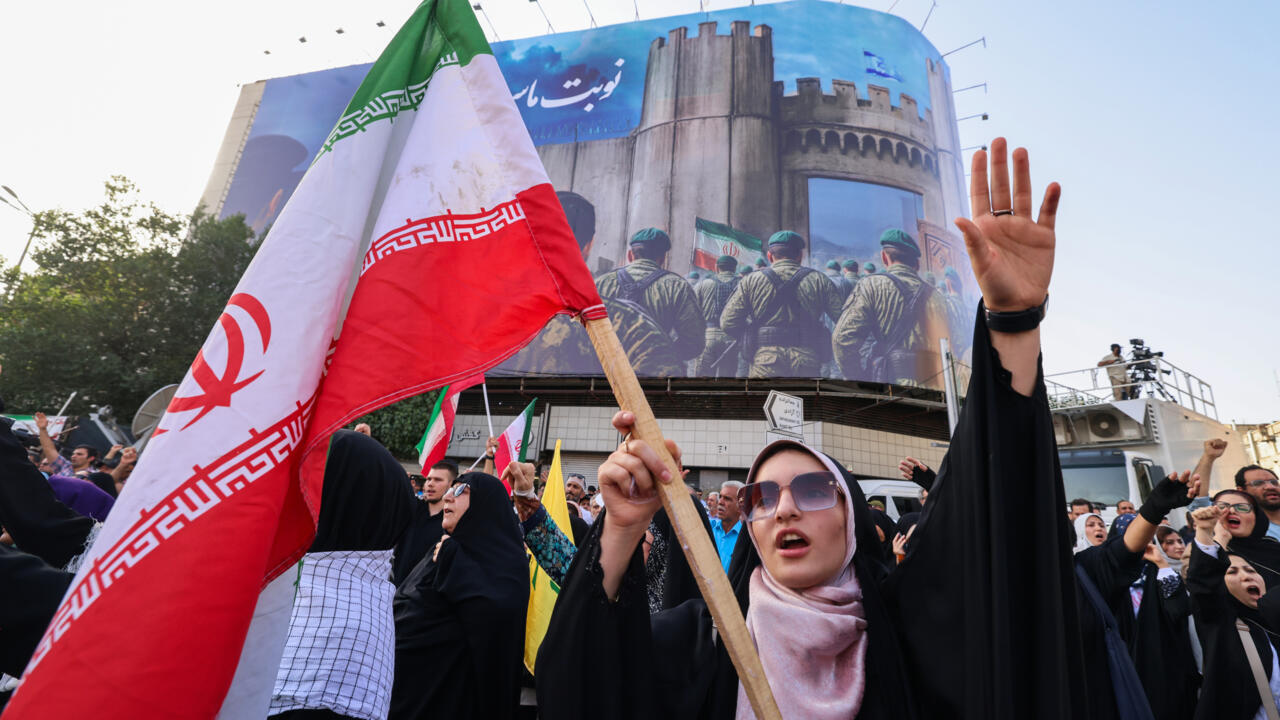
Iran stands at a critical juncture in early 2026. A deepening economic crisis has sparked mass protests across the country. The demonstrators’ demands have moved well beyond bread and jobs to a wider rejection of systemic economic mismanagement and political repression. International pressure on Tehran has intensified, including renewed U.S. coercive measures. This article examines the roots of Iran’s crisis, the potential regional fallout if the United States attacks Iran, the feasibility and risks of a regime change, the global geopolitical after-shocks, and pragmatic recommendations for key actors.
2. Root Causes of Iran’s Economic Crisis
Iran’s current turmoil is underpinned by a severe economic collapse driven by both external and internal factors.
2.1 Sanctions and Economic Isolation
After the United States withdrew from the 2015 nuclear deal (JCPOA) in 2018, it reimposed a broad suite of sanctions that have crippled Iran’s access to global markets and financial systems. These sanctions target oil exports, banking, financial transactions, and investment—paralyzing Iran’s ability to generate foreign exchange and sustain growth.
Sanctions have drastically reduced foreign currency inflows from oil, Iran’s main revenue source. This has caused the Iranian rial to plunge in value, inflation to surge, and domestic purchasing power to erode. Many Iranians now face rising prices for basic goods, medicines, and essentials, while unemployment and poverty rates have soared.
2.2 Structural Mismanagement
While sanctions have inflicted external pressure, internal economic mismanagement has exacerbated the crisis. A large segment of Iran’s economy—particularly in lucrative sectors like oil, construction, and transport—is controlled by the Revolutionary Guard Corps and its affiliates, sidelining private enterprise and distorting incentives.
This concentration of power and wealth has crippled competition, stifled investment, and reduced fiscal space for social services, contributing to widespread public grievance.
2.3 Rising Public Discontent and Protests
Protests that began in late 2025 due to inflation and currency collapse expanded rapidly into a broader anti-government movement. Demonstrators in cities across all provinces are now demanding systemic change, greater political freedoms, and accountability for economic hardship. The government’s response—marked by internet blackouts, mass arrests, and lethal force—has further inflamed tensions.
3. Sanctions: Cause of Crisis or Convenient Scapegoat?
There is a vigorous debate about how much sanctions alone explain Iran’s turmoil.
Some analysts emphasize that sanctions were the main external shock that truncated Iran’s economic growth, and constricted oil revenues and financial integration. The repeated snapback of UN and Western sanctions, including recent U.S. tariffs on nations trading with Iran, have further deepened isolation.
However, Iran ‘s enemies argue that Tehran’s political elites often deliberately underplay sanctions’ role to avoid domestic calls for negotiating with the West; instead, they point to governance failures, and external threats as the root causes.
In reality, sanctions have magnified structural weaknesses, but neither sanctions nor mismanagement alone fully explain the depth of the current crisis—it is a combination of both forces that has brought Iran to this historic moment.
4. Regional Implications for Pakistan if the U.S. Attacks Iran
The possibility of U.S. military action against Iran, encouraged by rising rhetoric from Washington over the killing of protesters and regional security concerns, represents a grave regional risk.
4.1 Security and Border Stability
Pakistan shares a long, sensitive border with Iran. Any conflict could lead to security spillovers, including cross-border militant movements and an increase in refugees, particularly in Balochistan. Pakistan’s security forces, already engaged with domestic challenges, could face additional strain in managing border stability and counter-terrorism threats.
4.2 Economic and Energy Pressures
A military escalation in the Gulf would almost certainly disrupt global oil flows and spike energy prices. Pakistan is heavily dependent on imported energy; a sharp rise in global petroleum prices would raise its import bill, push inflation higher, and weaken fiscal balance at a time when the government is struggling to manage its economy.
4.3 Diplomatic Strains
Pakistan has historically balanced relations with both Tehran and Washington. An attack on Iran would place Islamabad in a diplomatic bind, potentially forcing it to take positions that could strain ties with one or both sides, affecting trade and geopolitical cooperation.
5. Is Regime Change in Iran Easy?
The idea of a sudden regime collapse or overthrow is far more complicated than it appears.
5.1 Resilience of the Regime
Despite the uprising, the Iranian regime retains significant coercive capacity through security forces, intelligence networks, and allied militias. These structures make rapid collapse unlikely and raise the risk of prolonged violence.
5.2 Popular Will and Fragmentation
While nationwide protests reflect deep discontent, they do not yet form a unified political or strategic direction. Many Iranians oppose the regime’s ideological foundations, but differences in objectives and leadership among the protest movements complicate efforts to chart a coherent post-regime transition.
5.3 External Intervention Risks
Even if a foreign military operation weakens Tehran’s central authority, history suggests that such interventions rarely produce stable, democratic outcomes without extensive post-conflict planning. Iraq, Afghanistan, Libya, and Syria are examples where intervention led not to orderly transitions but to prolonged conflict and fragmentation.
Thus, regime change—from outside or within—is neither simple nor guaranteed and carries profound risks.
6. After-Shocks for Iran, the U.S., and the World
6.1 For Iran
An internal fracturing of the Iranian state could lead to:
Civil conflict or fragmentation along ethnic and regional lines
Humanitarian catastrophe with mass displacement
Heightened terrorism and proxy warfare in the region
These outcomes would further weaken Iran’s socio-political fabric and could take decades to resolve.
6.2 For the United States
A U.S. military escalation could:
Entrap Washington in a prolonged conflict
Damage U.S. global credibility if outcomes are ambiguous
Trigger retaliatory attacks on U.S. forces or interests across the Middle East
6.3 For Global Powers
Russia, China, and European states have strategic interests in maintaining stability and access to energy markets. A major Middle East conflict would disrupt global energy supplies, weaken economic growth, and potentially trigger new alignments.
7. Recommendations
7.1 For Iranians
Engage in non-violent, unified civic action to channel dissent into constructive reform rather than unchecked confrontation.
Promote economic transparency and accountability to tackle corruption and mismanagement.
Seek inclusive dialogue that avoids extreme polarization and creates space for moderated political renewal.
7.2 For the United States
Prioritize diplomacy over threats of military action. Sanctions and tariffs have shown limited effectiveness in producing political change and have aggravated civilian suffering.
Support negotiated frameworks that encourage Iran to resume nuclear compliance in exchange for phased sanction relief.
Offer humanitarian assistance to reduce the impact of economic collapse without legitimizing repression.
7.3 For Protesters and Civil Society
Clearly articulate non-violent objectives and practical reform proposals.
Build broad coalitions that include women, workers, students, and professionals.
Seek international advocacy that emphasizes human rights and rule of law, not foreign intervention.
8. Conclusion
Iran’s present crisis is a complex interplay of long-standing economic pressures, external sanctions, and internal political stagnation. A U.S. attack would not be a simple solution and could have severe consequences for the region, including Pakistan. Regime change, whether through internal uprising or external intervention, is fraught with risk and uncertainty.
Sustainable progress lies in diplomatic engagement, economic reform, and inclusive governance—not escalation. A balanced and humane policy approach that alleviates economic suffering while encouraging political accountability offers the best hope for stability in Iran and peace in the wider region.