















By: Senior Journalist Wali-ur-Rahman
Introduction
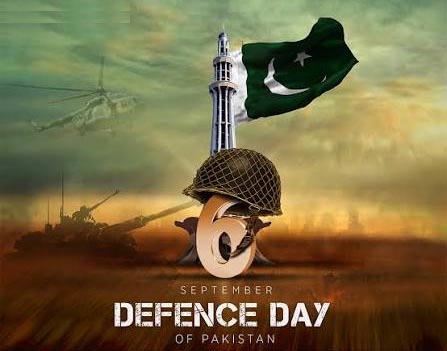
On the morning of September 6 1965 when India announced that it would have breakfast at the Gymkhana in Lahore it did not know that it was facing a nation that knows how to die for its homeland. On that day along with the Pakistan Army the entire nation proved that we are 100 million and 100 million are one but the story of this defence is not limited to the fronts of Lahore Sialkot and Chawinda. A bright chapter of this story is also written in District Ghizer of Gilgit-Baltistan which today the world knows as the Land of Martyrs
Why is Ghizer called the Land of Martyrs?
This small district located about 80 kilometers from Gilgit, seems very peaceful but its history is full of sacrifices.
It is said that:
The population of Ghizer is about 180,000, but proportion-wise, the highest recruitment in the Pakistan Army is from this district.
– There is at least one soldier in every house here. Father is a soldier, son is also a soldier.
– In the freedom movement of Gilgit in 1947, the Mujahideen of Ghizer were at the forefront.
– From 1948 to 2025, there has not been a single war in which the sons of Ghizer did not embrace martyrdom.
That is why in every graveyard of Ghizer, you will find the most graves with the green and white crescent flag. Every second grave is of a martyr.
The Two Tigers of Kargil – Lalak Jan and Sher Khan
The Kargil War of 1999 was a difficult test in Pakistan’s military history. On peaks higher than 16,000 feet, where even breathing is difficult, fighting the enemy was like making the impossible possible.
1 – Havaldar Lalak Jan Shaheed – Nishan-e-Haider
Lalak Jan, born in a poor family in the small village of Hundur in Yasin Valley of Ghizer, joined the Northern Light Infantry (NLI) in 1984.
In Kargil, at Tiger Hill India attacked his post with a full battalion. Lalak Jan’s comrades were martyred, he was left alone. He said on the wireless, “The enemy is about to capture my post, but I will fight till the last bullet and the last breath.
It is said that he alone killed 12 Indian soldiers. After being severely wounded and when his ammunition ran out, the enemy surrounded him and martyred him from close range.
The Captain of the Indian Army himself wrote, We fought a very brave soldier, his body should be respected.The Indian Army returned his body with full military honors.
Pakistan awarded him the highest military award, Nishan-e-Haider. He is the first martyr from Gilgit-Baltistan to receive Nishan-e-Haider.
2 – Naib Subedar Sher Khan Shaheed
Not only Ghizer, but the second son of Gilgit-Baltistan, Subedar Sher Khan Shaheed, is also the hero of Kargil. He recaptured five important posts from the enemy in Kargil.
Siachen – Where the sons of Ghizer still stand today
The Siachen Glacier is the highest and coldest battlefield in the world. The temperature drops to minus 60 degrees. There, death from avalanches and cold is more common than from bullets.
Even today, the majority of soldiers there are from Gilgit-Baltistan and especially Ghizer, because they are used to this cold weather and mountains. Every year many soldiers embrace martyrdom while defending the homeland, buried under snow, whose bodies are found months later.
What is our duty?
September 6 is not just a day for speeches. This day forces us to think:
Have we given the land of martyrs its due right?
Even today there is no university in Ghizer, no facilities in hospitals, and no employment opportunities for the youth.
The region that is shedding the most blood for Pakistan is still the most deprived today.
In the end
The defence of Lahore actually begins from the hills of Ghizer. As long as even one child from Hundur and Yasin is ready to sacrifice his life for Pakistan, no enemy can dare to look at this country with an evil eye.
Salute to the mothers of Ghizer who gave birth to sons like Lalak Jan!
Salute to the Land of Martyrs
Pakistan Zindabad GilgitBaltistan paindabad