
















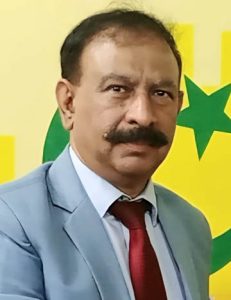
By Brig Syed Karrar Hussain Retd
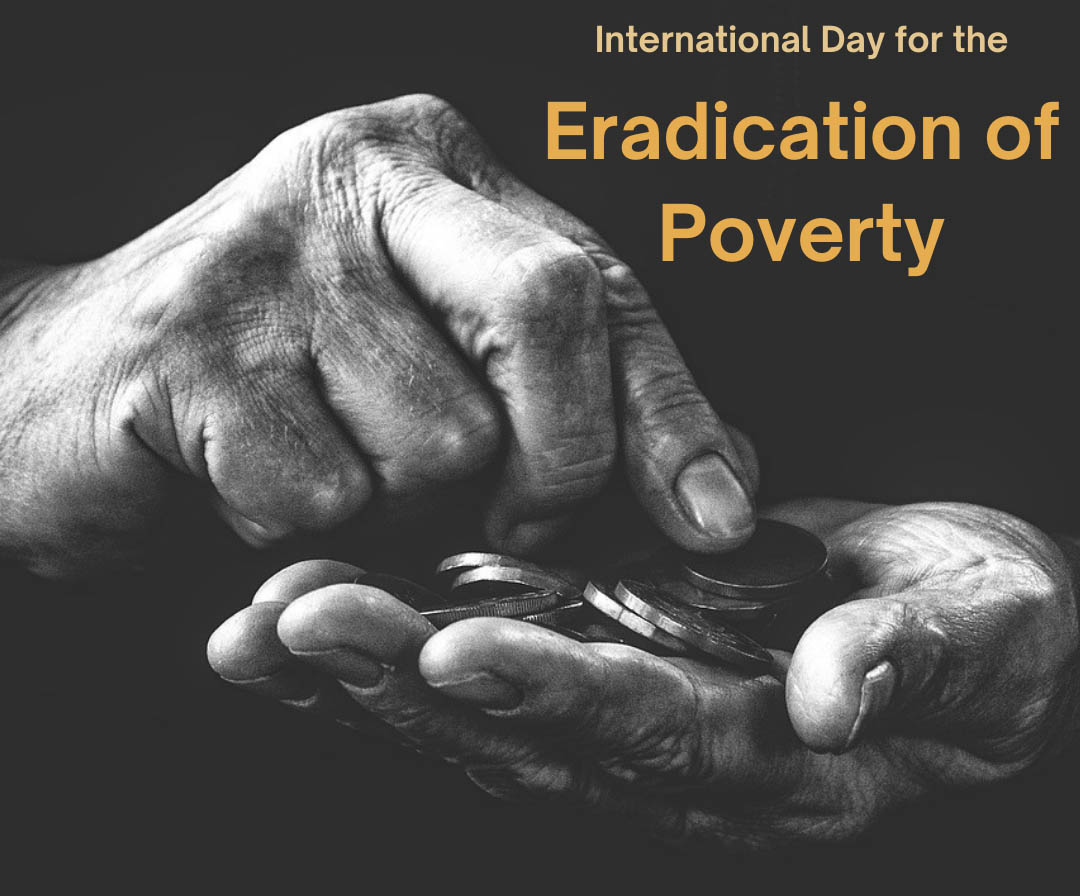
Every year, 17 October is observed as the International Day for the Eradication of Poverty, reminding the world that poverty is not merely a shortage of money; it is a denial of dignity, opportunity and the basic necessities of life. The United Nations has designated “United for Peace and Human Rights” as the theme for 2026, with a special focus on “Safe Homes for All.” The message is clear: sustainable peace and human development cannot be achieved while millions of people remain deprived of adequate housing, education, healthcare and economic security.
For Pakistan, this day is more than a symbolic occasion. It is a reminder that national progress must be measured not only by economic growth, infrastructure projects or financial indicators, but also by the quality of life enjoyed by ordinary citizens.
Pakistan’s Poverty Challenge
Pakistan possesses enormous potential through its young population, agricultural resources, strategic geographical location, industrial capacity and entrepreneurial spirit. Yet, a substantial proportion of its population continues to struggle with the rising cost of living, inadequate employment opportunities and limited access to essential public services.
According to the World Bank’s October 2026 Pakistan Poverty and Equity Brief, the national poverty rate increased from approximately 22 per cent in 2018–19 to 29 per cent in 2024–25, leaving around 70 million people below the national poverty line. These figures underline the urgency of developing a sustainable, inclusive and employment-oriented economic model.
Inflation, economic instability, climate-related disasters, floods, population growth and insufficient investment in human development have contributed to this situation. Low-income families spend a substantial proportion of their earnings on food, electricity, transport, rent and healthcare. Even a modest increase in essential expenses can push vulnerable households into deeper poverty.
The problem is particularly serious in rural communities, where farmers face rising input costs, uncertain water supplies and limited access to markets. In urban centres such as Karachi, low-income families struggle with expensive housing, transport costs, unemployment and inadequate municipal services.
Poverty is also reflected in malnutrition, school dropouts, child labour and the inability of deserving young people to obtain professional skills. When talented individuals cannot realise their potential because of financial circumstances, the entire nation loses valuable human capital.
Why Existing Measures Need Improvement
Pakistan has introduced social protection initiatives, including the Benazir Income Support Programme, alongside subsidised services and various provincial welfare schemes. Such programmes provide essential assistance to deserving families and should be strengthened rather than dismissed.
However, financial assistance alone cannot eliminate poverty. Welfare programmes must operate alongside policies that create sustainable employment, improve productivity and enable families to become economically independent.
The challenge is to ensure that public expenditure reaches the intended beneficiaries without political favouritism, duplication, corruption or unnecessary administrative costs. Transparent beneficiary databases, regular independent audits and accessible complaint mechanisms can improve public confidence and the effectiveness of social protection.
Recommendations for the Government
First, prioritise employment-oriented economic growth. Pakistan needs industries that create productive jobs rather than growth that benefits only a limited segment of society. Small and medium-sized enterprises should receive easier access to finance, simplified registration procedures, reliable electricity and predictable taxation.
Second, invest in education and vocational training. Government institutions should work with industry to identify the skills required in manufacturing, information technology, agriculture, healthcare, construction and renewable energy. Technical training must lead to employment or entrepreneurship, not merely certificates.
Third, strengthen agriculture and rural development. Farmers need affordable agricultural inputs, modern irrigation, storage facilities, crop insurance and direct access to markets. Developing food-processing industries near agricultural regions would create rural employment, reduce wastage and increase farmers’ incomes.
Fourth, improve healthcare and education. Quality public schools, basic healthcare facilities, maternal and child nutrition programmes, and clean drinking water are essential components of poverty reduction. Families should not be forced to sell assets or borrow money to meet medical emergencies.
Fifth, make affordable housing a national priority. In line with the United Nations’ 2026 focus, governments should promote affordable housing, secure land tenure, improved sanitation and access to basic utilities. Public-private partnerships can support low-cost housing, provided that projects are transparent, environmentally responsible and accessible to low-income households.
Sixth, strengthen local government. Provincial and municipal authorities should receive adequate resources and clearly defined responsibilities for water supply, sanitation, public transport, housing and local development. Transparent local budgeting can ensure that public money addresses the needs of communities directly.
Seventh, empower women and young people. Affordable childcare, safe transport, marketable skills, access to finance and equal employment opportunities can increase household incomes. Young entrepreneurs should be encouraged through business incubators, mentoring and carefully designed credit facilities.
Finally, the government must maintain fiscal discipline while protecting essential social spending. Tax reforms should broaden the tax base, reduce unjustified exemptions and improve compliance, while ensuring that the burden does not fall disproportionately on low-income households.
Recommendations for Investors and the Private Sector
The private sector has a crucial role in transforming Pakistan’s economic potential into shared prosperity. Investors should view poverty reduction not simply as charitable activity but as an opportunity to build productive businesses, stronger communities and a more stable economy.
Investment should be encouraged in labour-intensive manufacturing, information technology, agro-processing, renewable energy, affordable housing, healthcare, education and export-oriented industries. These sectors can create employment while strengthening domestic production and foreign-exchange earnings.
Investors should also establish apprenticeship programmes, support technical education and develop supply chains that include small businesses, local farmers and women-owned enterprises. Fair wages, safe working conditions and timely payment to suppliers should form part of responsible business practices.
Corporate social responsibility programmes can contribute through scholarships, vocational centres, community healthcare and clean-water projects. However, these initiatives should complement, rather than replace, the government’s responsibility to provide essential public services.
The government, in turn, must provide policy consistency, contract enforcement, protection against arbitrary regulatory changes and transparent investment procedures. Public-private partnerships should be selected through competitive processes, with measurable targets and independent oversight.
Domestic investors, overseas Pakistanis and international development partners should be encouraged to invest in commercially viable projects that generate employment and deliver measurable social benefits. Microfinance and small-business lending must also be designed responsibly, avoiding excessive borrowing costs and unsustainable debt.
A Shared National Responsibility
Poverty eradication cannot be achieved by the government or investors alone. Civil society organisations, educational institutions, religious organisations, philanthropists and local communities must contribute through skills development, responsible charity and support for vulnerable families.
Pakistan’s tradition of Zakat, Sadaqah and community welfare offers a valuable foundation. With transparent administration and appropriate coordination, charitable resources can support education, healthcare, livelihood development and assistance for families facing emergencies.
The ultimate objective must be to move people from dependency towards dignity, self-reliance and productive participation in national life.
Conclusion
The International Day for the Eradication of Poverty should inspire Pakistan to replace temporary relief with long-term solutions. Economic growth must generate decent employment, public resources must reach deserving citizens, and investment must create opportunities beyond a privileged few.
A nation cannot achieve lasting prosperity while millions remain uncertain about their next meal, their children’s education or a secure roof over their heads.
The real measure of Pakistan’s success will be the extent to which an ordinary citizen can earn an honest livelihood, educate their children, access healthcare and live with dignity.
Eradicating poverty is therefore not merely an economic target. It is a national commitment to justice, human dignity and a more secure future. The time has come for government, investors and society to work together so that prosperity becomes a shared national achievement rather than a distant promise.