






















By Brig Syed Karrar Hussain Retired
The Arabian Sea and the northern Indian Ocean have become increasingly important in global trade and maritime connectivity. Among the emerging strategic ports in the region, Iran’s Chabahar Port and Pakistan’s Gwadar Port occupy a unique position. Located only about 170 kilometers apart, these two ports are often portrayed as rivals competing for regional trade, investment, and geopolitical influence. However, a closer analysis suggests that they can either become competitors or evolve into complementary maritime hubs that benefit both Iran and Pakistan.
Strategic Importance of Chabahar and Gwadar
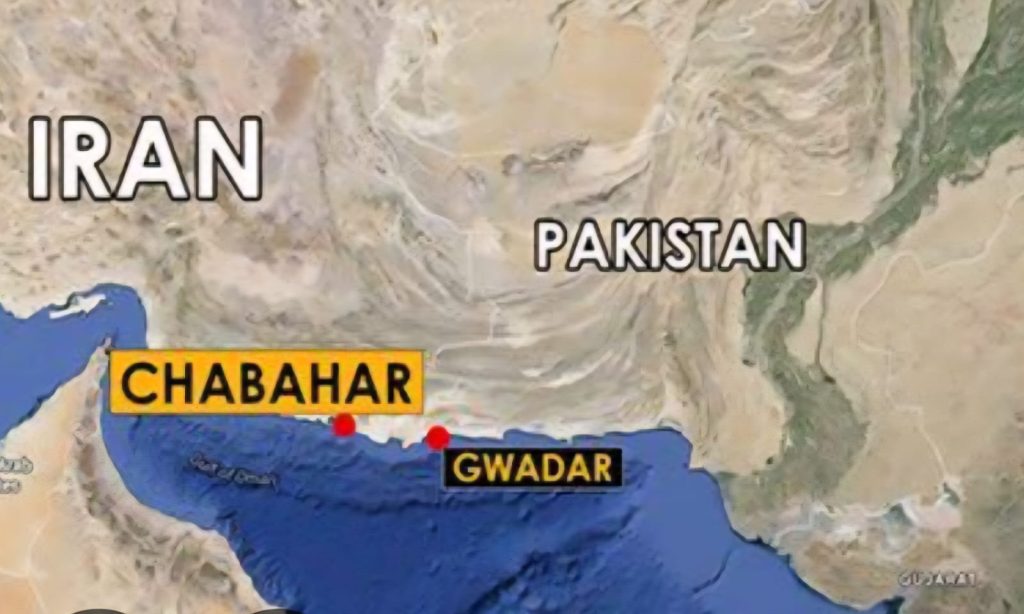
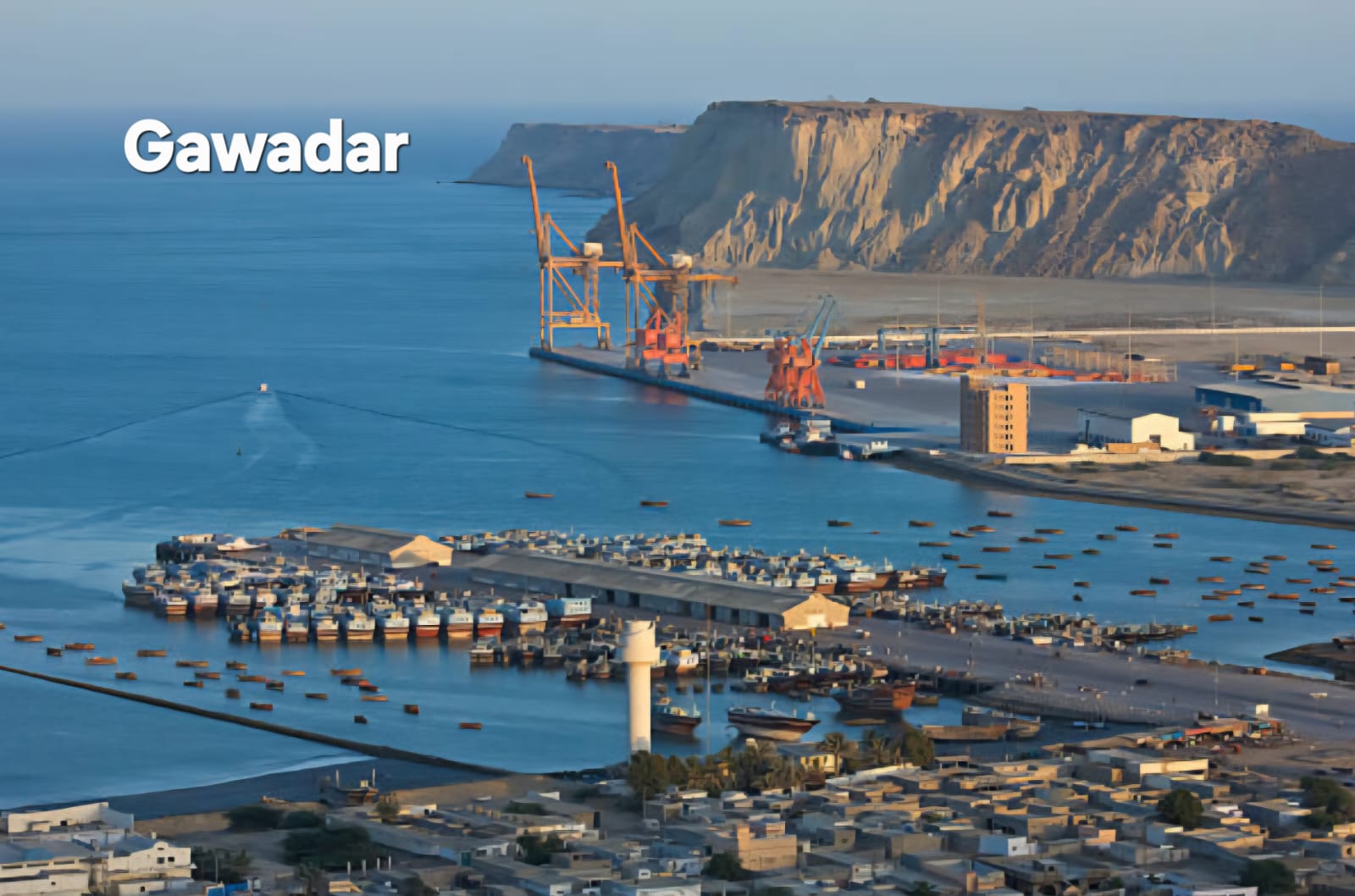
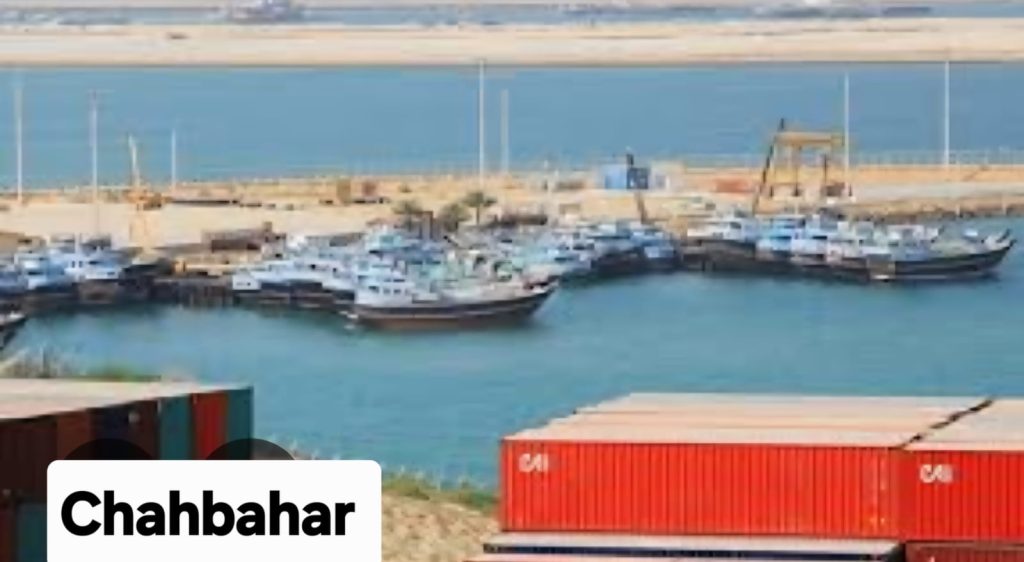
Gwadar Port is a cornerstone of the China-Pakistan Economic Corridor (CPEC) and provides China and Central Asia with access to the Arabian Sea. Chabahar Port, on the other hand, serves as Iran’s gateway to international trade and offers India and Central Asian states an alternative route that bypasses Pakistan.
Both ports are strategically located near major international shipping lanes through which a significant percentage of the world’s energy supplies are transported. Their geographical proximity creates both opportunities and challenges for Iran and Pakistan.
Scenario One: If Interests Clash
If Iran and Pakistan pursue competing strategies and attempt to attract the same cargo traffic, shipping companies, and investors without coordination, both countries may face several challenges.
Potential Benefits
1. Increased efforts to improve port infrastructure and efficiency.
2. Greater competition may encourage lower port handling charges.
3. Enhanced marketing and investment initiatives to attract international business.
Potential Losses
1. Duplication of infrastructure and logistics facilities.
2. Underutilization of port capacities due to divided cargo volumes.
3. Reduced foreign investment as investors may perceive uncertainty and regional rivalry.
4. Increased geopolitical tensions involving external powers supporting one port over the other.
5. Missed opportunities for regional economic integration.
In this scenario, shipping companies may choose one port over the other, resulting in unhealthy competition. Neither port may achieve its full potential if cargo volumes are split inefficiently.
Scenario Two: If Chabahar and Gwadar Support Each Other
An alternative approach is cooperation. Modern maritime economics demonstrates that neighboring ports can function as complementary hubs rather than competitors. Examples from Europe, East Asia, and the Gulf region show that interconnected ports often generate greater overall trade volumes.
Areas of Cooperation
1. Cargo Management
If one port faces congestion, excess cargo can be redirected to the other. This would reduce delays and improve customer confidence.
2. Warehousing and Storage
Shared logistics parks and warehouse facilities could reduce costs for shipping companies and traders.
3. Maritime Security
Iran and Pakistan already share concerns regarding piracy, smuggling, terrorism, and maritime crime. Joint patrols and information sharing could improve the security of sea lanes.
4. Emergency Support
Ports can assist each other during natural disasters, accidents, oil spills, or technical failures.
5. Regional Connectivity
Integrated road, rail, and maritime links could transform the entire Makran coast into a major commercial corridor connecting South Asia, Central Asia, the Middle East, and Western China.
Benefits of Cooperation
1. Increased trade volumes for both countries.
2. Greater attractiveness for international shipping companies.
3. Improved regional stability.
4. Enhanced employment opportunities in both countries.
5. Development of the underdeveloped coastal regions of Balochistan and Sistan-Baluchestan.
6. Better utilization of existing infrastructure.
7. Stronger bargaining power in regional and international trade negotiations.
Possible Challenges
1. Political mistrust and historical suspicions.
2. Influence of external powers seeking strategic advantage.
3. International sanctions affecting Iran.
4. Security concerns in border regions.
5. Bureaucratic and regulatory differences.
However, these challenges are manageable if both governments adopt a long-term strategic vision.
Viable Options for Iran and Pakistan
Several practical options exist to transform competition into cooperation.
Option 1: Specialized Port Functions
Rather than competing for identical business, the two ports could specialize in different sectors.
For example:
– Gwadar could focus on transshipment, Chinese trade, and CPEC-related cargo.
– Chabahar could focus on Central Asian trade, petrochemicals, and Indian Ocean connectivity.
This specialization would reduce direct competition.
Option 2: Joint Maritime Coordination Mechanism
A bilateral maritime coordination council could be established to discuss shipping schedules, security issues, customs facilitation, and logistics planning.
Option 3: Integrated Economic Corridor
Iran and Pakistan could develop a coastal economic zone extending from Gwadar to Chabahar, encouraging industrial cooperation and cross-border investments.
Option 4: Shared Security Framework
Joint naval exercises, intelligence sharing, and coordinated coast guard operations could protect commercial shipping and increase investor confidence.
Option 5: Regional Multilateral Cooperation
Both countries could involve Central Asian states, Gulf countries, China, and other regional stakeholders in a broader maritime cooperation framework.
Recommendations
For Pakistan
1. Continue developing Gwadar’s infrastructure and connectivity.
2. Improve road and rail links to the rest of Pakistan and neighboring countries.
3. Strengthen security arrangements around Gwadar.
4. Pursue diplomatic engagement with Iran regarding maritime cooperation.
5. Encourage private-sector participation in logistics and warehousing.
For Iran
1. Enhance operational efficiency at Chabahar.
2. Facilitate customs procedures and investment regulations.
3. Expand transport links to Central Asia.
4. Develop mechanisms for maritime cooperation with Pakistan.
5. Encourage joint ventures in shipping and logistics.
Joint Recommendations
1. Establish a Pakistan-Iran Port Cooperation Commission.
2. Create mechanisms for information sharing and maritime security.
3. Develop complementary rather than competing port strategies.
4. Promote academic and business exchanges focused on maritime trade.
5. Explore cross-border industrial zones and logistics hubs.
6. Coordinate disaster management and emergency response systems.
7. Encourage regional stakeholders to view both ports as part of a broader economic ecosystem.
Conclusion
The future of Chabahar and Gwadar need not be defined by rivalry. Geography has placed these ports close to one another, and economics suggests that cooperation can generate far greater benefits than competition. If Iran and Pakistan allow geopolitical rivalries to dominate their thinking, both ports may struggle to achieve their full potential. However, if they adopt a cooperative approach based on shared logistics, maritime security, and regional connectivity, Chabahar and Gwadar can become twin engines of economic growth for the entire region.
The choice before Tehran and Islamabad is clear: compete and divide opportunities, or cooperate and multiply them. In the long run, partnership offers a more prosperous and stable future for both nations and for the wider region stretching from the Arabian Sea to Central Asia.