














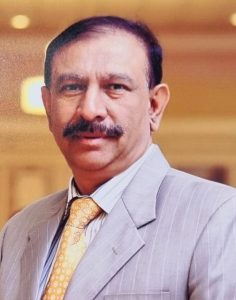
By Brig Syed Karrar Hussain Retired
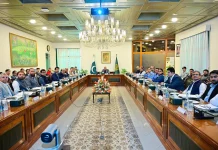
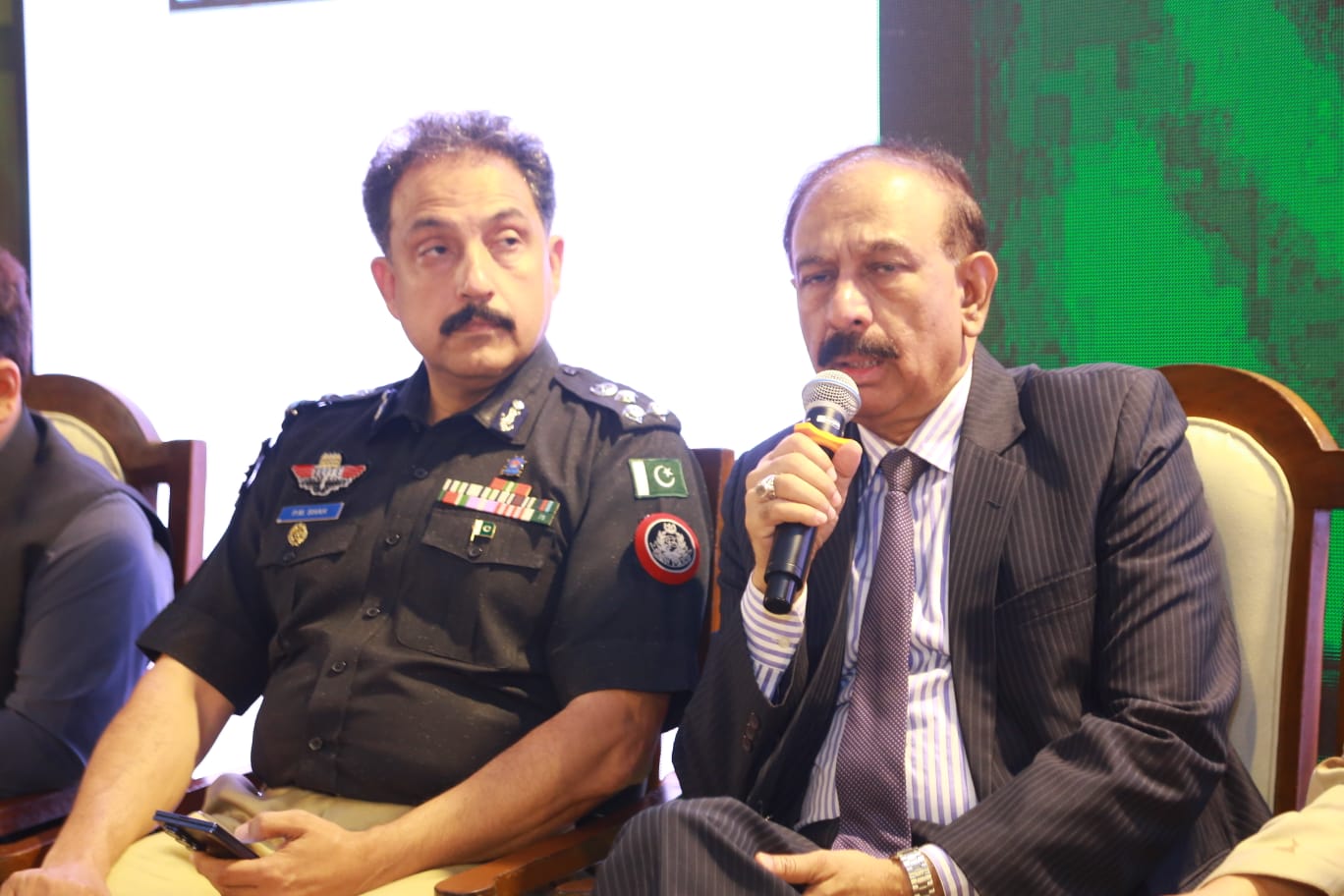
A highly successful and meaningful seminar on Thalassemia prevention was recently organized in Karachi under the leadership of the Professional Youth Foundation of Pakistan in collaboration with the Umair Sana Foundation. The seminar brought together government officials, medical experts, diplomats, educationists, social workers, media personalities, and youth volunteers on one platform to create awareness regarding one of the most serious hereditary blood disorders affecting thousands of families in Pakistan.
The event reflected not only professional excellence but also the spirit of humanity, volunteerism, and social responsibility. The organizers, especially the energetic youth volunteers, demonstrated exceptional dedication and commitment in making the seminar a remarkable success.
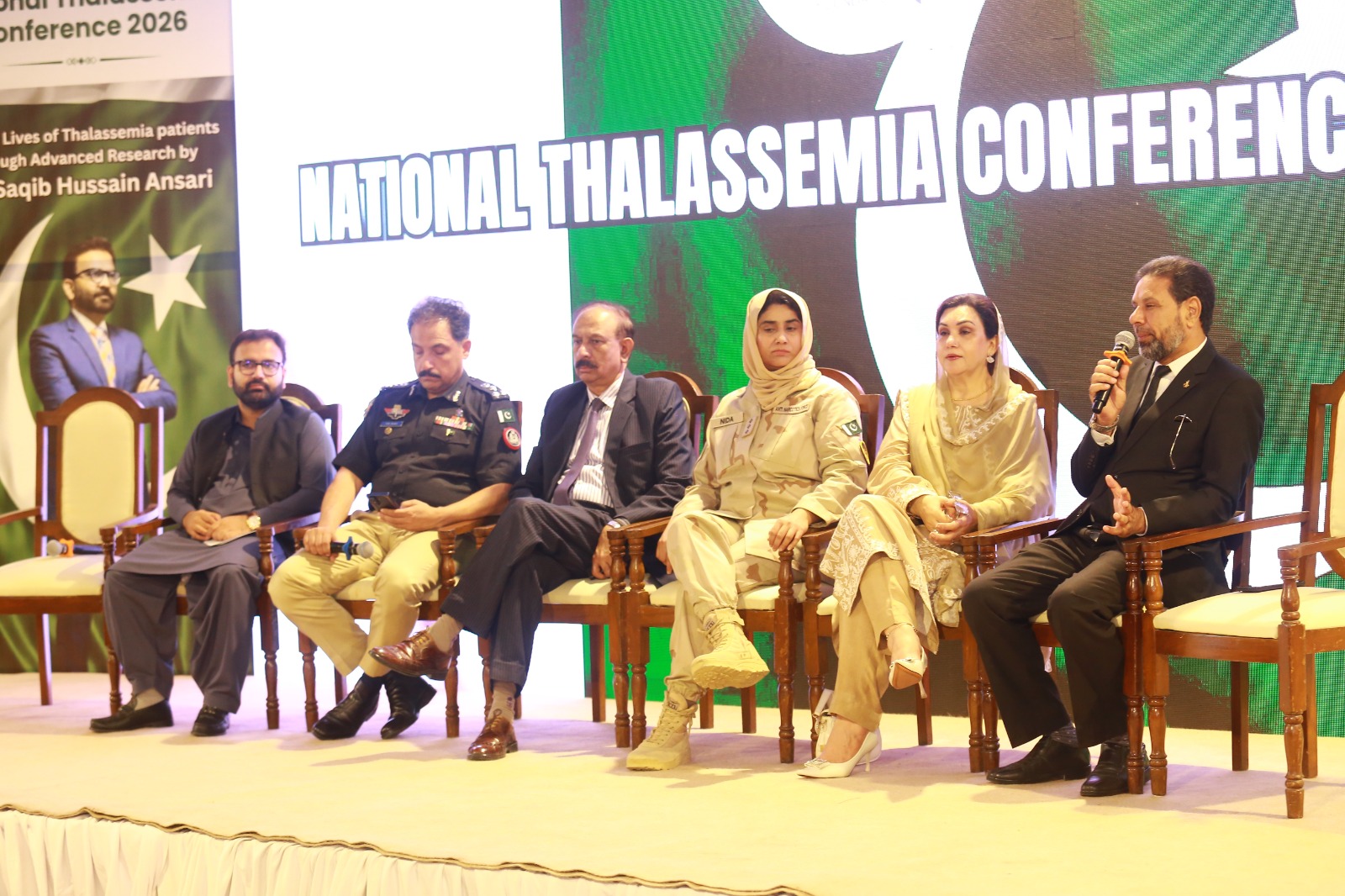
At the outset, heartfelt felicitations were extended to Engr. Muhammad Umar Khan, President of the Professional Youth Foundation of Pakistan, and his entire team for their tireless efforts and visionary leadership. Their commitment to public welfare and awareness campaigns has become a symbol of constructive youth engagement in society. The discipline, organization, and enthusiasm displayed by the volunteers highlighted the positive role Pakistani youth can play when guided toward noble causes.
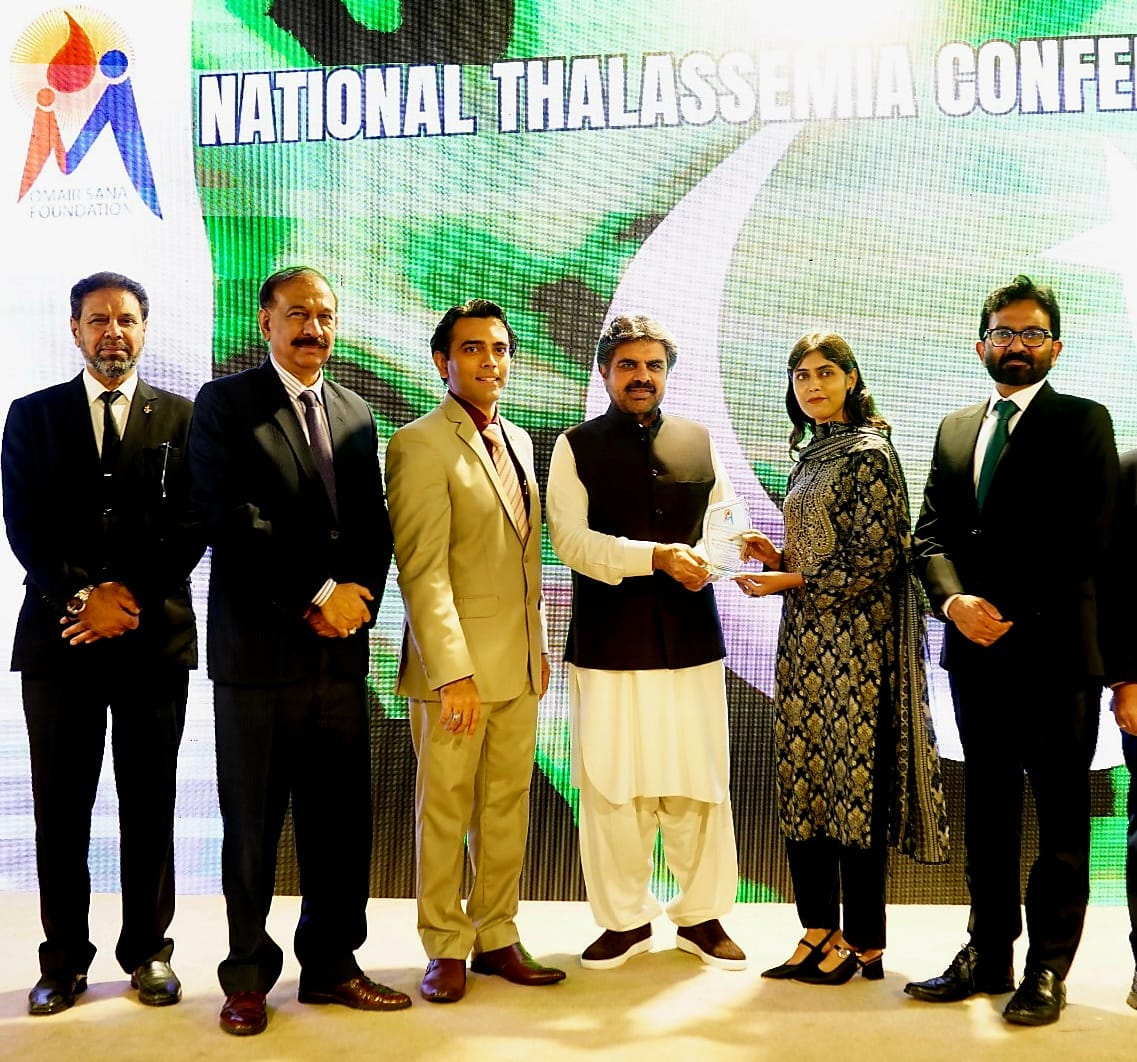
The collaboration between the Professional Youth Foundation of Pakistan and the Umair Sana Foundation proved to be an excellent example of how collective efforts can produce meaningful social impact. In a country where thalassemia continues to affect a large number of children, such awareness seminars are extremely important for educating the public regarding prevention, diagnosis, treatment, and social responsibility.
Thalassemia is a hereditary blood disorder that requires lifelong blood transfusions and expensive medical treatment. Thousands of children in Pakistan suffer from this disease, placing emotional and financial pressure on families. Medical experts have repeatedly emphasized that thalassemia can largely be prevented through awareness, screening, and premarital testing. Unfortunately, due to lack of awareness, social hesitation, and limited public knowledge, many families continue to suffer.
The seminar focused on preventive measures, public awareness, and the need for cooperation among government institutions, healthcare organizations, educational institutions, and civil society. Speakers stressed that prevention is far easier and less painful than treatment. They emphasized the importance of blood screening before marriage and the need for educational campaigns at schools, colleges, universities, and community levels.
Prominent writer, defence analyst, and social worker Brig Syed Karrar Hussain presented a comprehensive case study on thalassemia along with practical recommendations. His presentation highlighted the social, medical, and economic dimensions of the disease and stressed the urgent need for a coordinated national strategy. He emphasized that awareness campaigns must not remain limited to urban centers but should also reach remote and rural areas where lack of education often leads to avoidable suffering.
Brigadier Karrar Hussain also appreciated the role of youth organizations and welfare foundations in supporting healthcare awareness initiatives. He underlined that educated youth can become ambassadors of social change by spreading accurate information among communities. His recommendations included stronger cooperation between educational institutions, healthcare authorities, media organizations, and religious scholars to encourage preventive screening and responsible social practices.
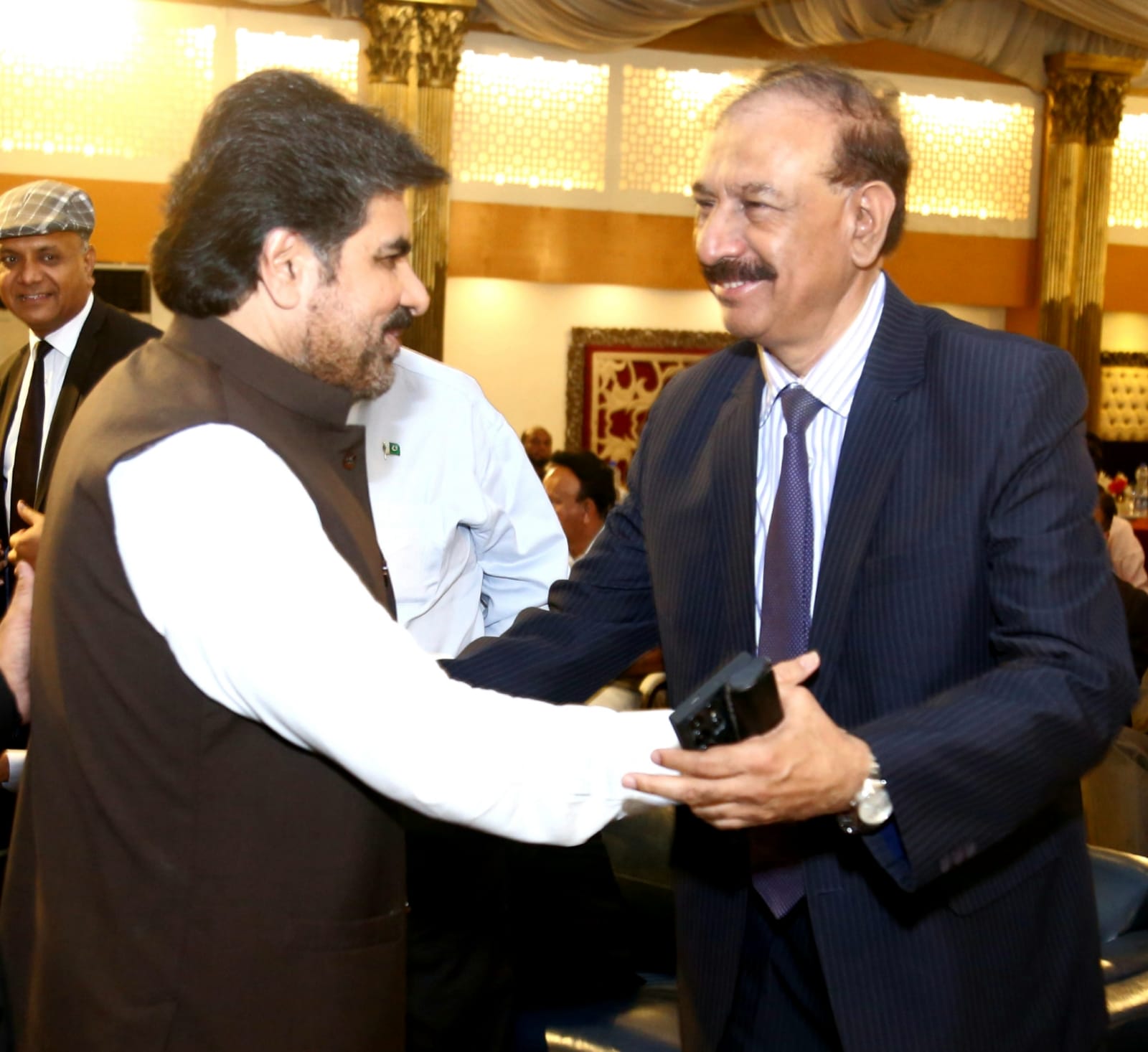
The seminar was honored by the presence of several distinguished personalities from government, politics, healthcare, education, sports, diplomacy, and media. Among the notable attendees was Syed Nasir Hussain Shah, who appreciated the efforts of the organizers and emphasized the Sindh government’s commitment toward healthcare awareness and social welfare initiatives.
Rubina Qaim Khani also addressed the gathering and highlighted the importance of women’s participation in spreading awareness regarding hereditary diseases and preventive healthcare measures. Members of the National and Provincial Assemblies including Sadiq Ali Memon, Hallar Wassan, Muhammad Farooq, and Dr. Fouzia Hameed also attended the seminar and appreciated the role of civil society in addressing public health challenges.
The medical community was strongly represented by renowned professionals including Dr. Saqib Hussain Ansari, Dr. Dur e Naz Jamal, Dr. Tahir Saghir, and Dr. Ahson Qavi. These experts discussed the importance of blood safety, modern diagnostic systems, and institutional coordination in tackling thalassemia effectively.
The seminar also reflected international goodwill and diplomatic support. Hermain Hadinath Ahmad and Fazal Dadabhoy attended the event and appreciated Pakistan’s civil society efforts in promoting healthcare awareness and humanitarian service.
The participation of educational leaders added further value to the seminar. Vice Chancellors and representatives from Ilma University, Baqai Medical University, Saleem Habib University, Institute of Business Management, and Nazeer Hussain University highlighted the responsibility of educational institutions in creating health awareness among students and communities.
The seminar was further enriched by the presence of personalities from sports, media, and entertainment sectors. Legendary cricketer Younis Khan, sports anchor Yahya Hussaini, renowned host and artist Sahir Lodhi, television actor Asim Mehmood, and film actor Naveed Raza used their influence to support the humanitarian cause and encourage public participation in awareness campaigns.
Nida Memon and Talha Ali also attended and appreciated the importance of youth-driven social welfare activities.
The seminar concluded with a renewed commitment from all stakeholders to continue efforts for thalassemia prevention through awareness, education, screening, and collaboration. The event clearly demonstrated that when government institutions, healthcare professionals, educational leaders, diplomats, media representatives, and youth organizations unite for a humanitarian cause, positive change becomes possible.
The success of this seminar serves as a powerful reminder that public awareness is one of the strongest tools in preventing hereditary diseases. It also highlighted the remarkable role of Pakistani youth in serving humanity with passion, discipline, and dedication. The Professional Youth Foundation of Pakistan and the Umair Sana Foundation deserve immense appreciation for organizing such a timely and impactful event.
Their efforts not only spread awareness but also inspired hope, responsibility, and collective action for a healthier and more informed society.