





















http//: www.thenewslark.com
Dr. Syed Mehboob
Senior Research Editor
The News Lark, political and economic analyst
Islam stresses hard work and discourages idleness and laziness, and teaches respect for labour. Once, a man shook hands with Prophet Muhammad ( Peace be upon him). The Prophet said, “ What do youdo ”? The man said that earn my livelihood by crushing stones. The Prophet Muhammad (Peace be upon him )kissed his hands and said, “ These hands of a man of paradise”.
Labour is fundamental to human existence and essential for individual survival and the advancement of society. The concept of the dignity of labour, encompassing the respect and ethical treatment of work and workers, has been a subject of inquiry across philosophical, religious, and social analysts.
Numerous studies address Islamic economic principles or general labour rights; few have examined labour dignity specifically through an ethical lens that integrates both classical sources and contemporary applications. The findings indicate that Islam upholds labour dignity through core values such as fair compensation, mutual respect, social responsibility, and antiexploitation norms. Workers are regarded not merely as economic agents but as participants in spiritual and communal growth, while employers are ethically obligated to ensure just treatment. In Islam, labour transcends the mere earning of a livelihood; it is regarded as an act of worship, a moral obligation, and a contribution to the collective good. This viewpoint bestows significant value upon all forms of work, from manual to intellectual, underscoring its importance for both personal fulfilment and societal welfare.However, contemporary labour markets are often plagued by exploitation, unfair compensation, and unethical practices, highlighting the urgent need to revisit the Islamic perspective on the dignity of labour. The Islamic viewpoint remains relatively underexplored, particularly in addressing modern labour challenges. For example, the Prophet Muhammad’s (Peace be upon him) emphasis on just employer behaviour can influence leadership development and human resource practices, while the Qur’anic mandate to pay employees on time might guide legislation on wage payment schedules. By translating these ethical imperatives into clear policy measures—such as workplace justice audits, worker protection clauses, or faith-based compliance tools—Islamic labour ethics can be made relevant and actionable in diverse professional environments, both within and beyond Muslim-majority societies.
Honesty and integrity are core principles in Islam, not only in personal relationships but also in professional conduct. Workers are encouraged to perform their duties with honesty, fulfilling their responsibilities sincerely and diligently. The importance of trust and ethical behaviour is emphasized in the teachings of the Prophet Muhammad (Peace be upon him) , who stated, “The buyer and the seller have the right to cancel or affirm the bargain unless they separate, and the trade should be based on trust” (Sahih Bukhari). This Hadith highlights the necessity of mutual trust in every transaction, stressing that both parties—whether buyers, sellers, or workers—should conduct themselves with integrity and respect. The principle of honesty is not limited to financial exchanges but extends to every form of labour, whether manual or intellectual. Workers are expected to execute their duties faithfully, ensuring that their actions are transparent and free from deceit. By adhering to the ethical principle of honesty, workers contribute to a fair and transparent work environment. This approach to labour fosters a culture of mutual respect and accountability, where the dignity of the worker is preserved, and society benefits from ethical and trustworthy practices in the workplace. In Islam, fair compensation for labour is considered not only a legal obligation but also a moral duty. The teachings of the Prophet Muhammad ( Peace be upon him) stress that workers should be compensated promptly and justly. The Hadith, “Give the worker his wages before his sweat dries” (Ibn Majah), emphasizes the urgency of timely payment, ensuring that workers are not subjected to financial hardship due to delayed wages. Islam places high importance on the value of work, advocating for equitable compensation that reflects the effort and time invested by the worker. Compensation should not be a mere formality but should recognize the worker’s contributions in a meaningful way.This includes fair wages that correspond to the nature of the work and the worker’s effort, as well as the provision of benefits that enable the worker to meet their basic needs. Additionally, Islam insists that compensation should be free from exploitation, ensuring that workers are not underpaid or forced into laborious conditions that undermine their dignity. Fair compensation, therefore, goes beyond financial remuneration and encompasses respect for the worker’s effort and well-being, aligning with the broader principles of justice and equity in Islam.
Exploitation in the workplace is strictly prohibited in Islam, which reflects the religion’s strong commitment to social justice and fairness. Islamic teachings highlight that workers should never be exploited or overburdened, and employers are required to treat their employees with fairness, dignity, and respect. The Quran addresses this concept in Surah Al-Baqarah (2:286), stating, “No soul is burdened beyond its capacity.” This verse emphasizes that workers should not be subjected to excessive or unreasonable demands, as each individual has physical and mental limits. Islam advocates for the protection of workers from exploitation, ensuring that they are not forced into unfair working conditions or overwhelmed with tasks that exceed their capabilities. This prohibition of exploitation is applicable to all forms of labour, whether physical or intellectual, and is particularly relevant in modern workplaces where power imbalances often result in the mistreatment of workers. By emphasizing mutual respect and fairness, Islam aims to protect workers from exploitation while holding employers accountable for their actions. An ethical work environment based on Islamic principles ensures that exploitation is minimized, safeguarding the dignity and well-being of workers.
In Islam, labour is not merely a means of earning a livelihood but is viewed as a way to contribute to the greater well-being of society. Workers are encouraged to engage in work that benefits the broader community, aligning their individual efforts with the collective good.
The Quran and Hadith stress that labour should not only fulfil personal needs but should also contribute to the social and economic welfare of others. Workers, whether involved in agriculture, trade, education, or other sectors, are seen as contributors to societal development. Islam encourages individuals to produce goods and services that improve the quality of life, meet essential needs, and support the welfare of the vulnerable. This concept of labour as a social responsibility extends beyond the individual worker to include employers and policymakers, who are responsible for creating environments that promote ethical labour practices. In this sense, the concept of labour in Islam is inherently tied to social justice, where the benefits of work are shared equitably, and the dignity of each worker is upheld. Labour is thus not only a personal obligation but also a collective responsibility that fosters economic growth, social cohesion, and prosperity for the entire society.
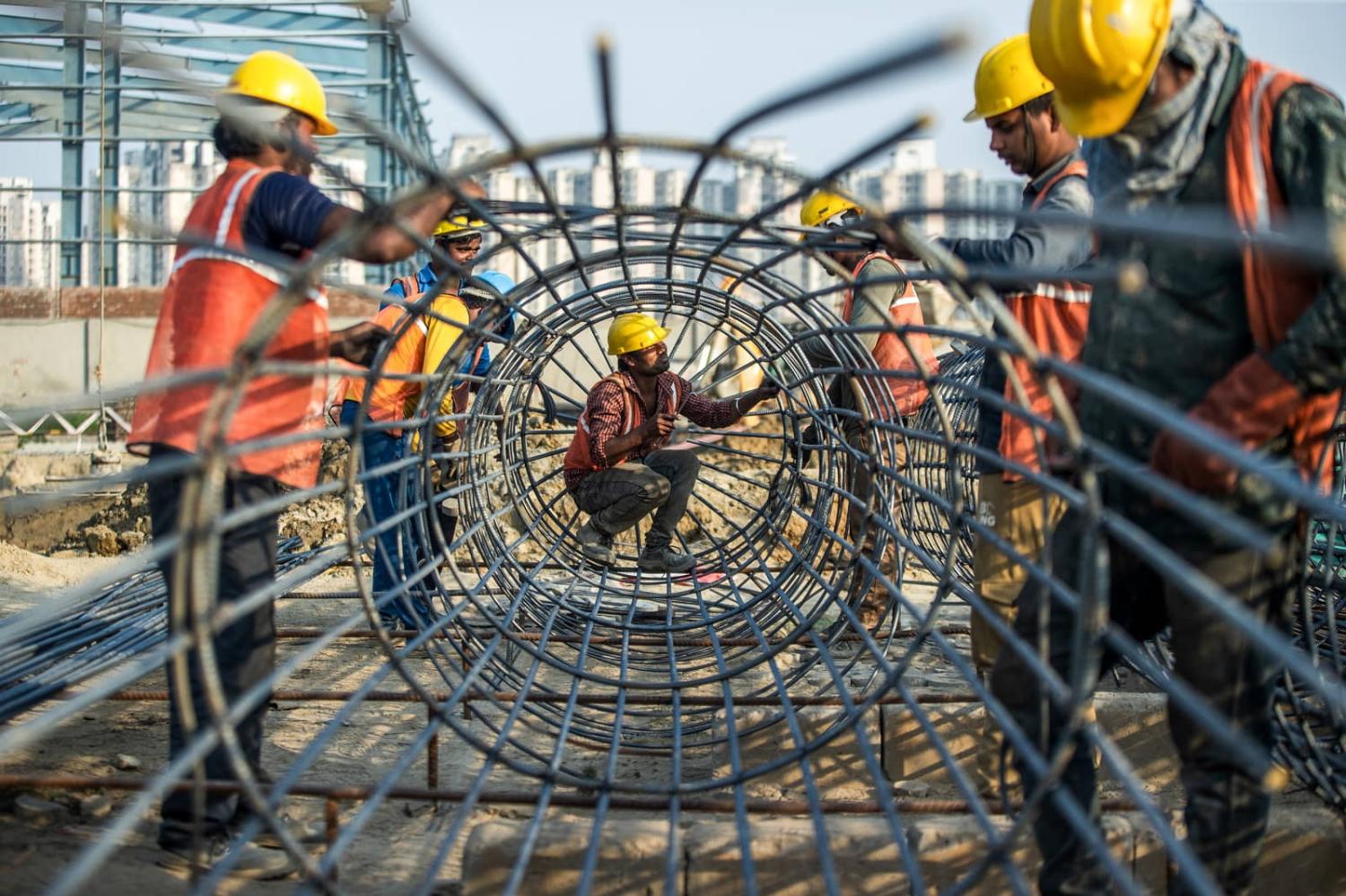
There is a need to contribute from both employers and employees for the economic development of Pakistan. THEKEDARI, CONTRACT-based SETH System must be abolished, and Islamic values must be adhered to by employees and employers. We can not move forward with the 17th and 18th century SETH SYSTEM, and it needs to be changed to the modern one, and according to the Islamic values, this will pave the way for the economic development of the country, Inshah Allah.