


















By Brig Syed Karrar Hussain
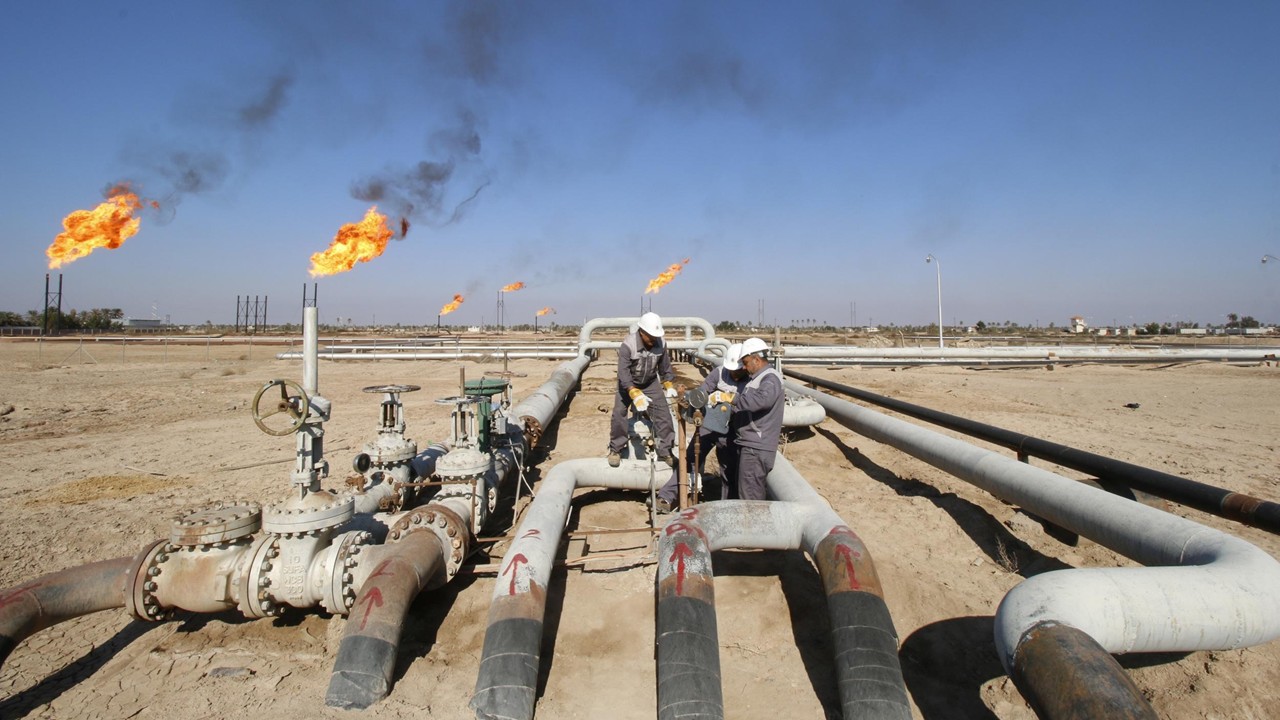
On the cold morning of 12 January 1953, the barren land of Sui in Balochistan was unusually restless. The drilling rig, standing like a lonely sentry in the vast wilderness, suddenly roared with a force no one had anticipated. Engineers froze. Workers stepped back. And then—nature spoke.
What erupted from deep beneath the earth was not fire, nor water, but natural gas, bursting with such pressure that it shook the silence of the desert. Few present fully understood it at that moment, but history had just turned a decisive page. Pakistan, still a young nation struggling to stand on its feet, had discovered a gift that would fuel its kitchens, industries, power plants, and ambitions for decades to come.
That discovery was Sui Gas.
A Discovery That Changed a Nation
In the early 1950s, Pakistan’s energy needs were modest, but its dreams were vast. Industries were beginning to take shape, cities were expanding, and households relied heavily on wood, coal, and imported fuels. The discovery of gas at Sui came like a silent revolution—cleaner, cheaper, and domestically available.
Soon, pipelines began to snake across the country, carrying invisible energy from the deserts of Balochistan to the homes of Karachi, Lahore, and later, to countless towns and villages. Flames flickered in stoves, factories hummed with life, fertilizers boosted agricultural output, and power stations lit the night skies.
Sui Gas was no longer just a resource; it became a symbol of progress.
For years, Pakistan’s economic wheels turned smoothly on this blessing. The country saved precious foreign exchange, reduced dependence on oil imports, and built industries that relied almost entirely on natural gas. It was an era when energy felt abundant and secure.
But time, like gas itself, is invisible—and relentless.
The Present Reality: Demand Outrunning Supply
Decades later, the story has changed.
Today, the same pipelines that once carried hope now struggle to meet demand. Pakistan’s population has multiplied, industries have expanded, and urban lifestyles consume more energy than ever before. The Sui gas field, though still productive, is no longer young. Its pressure has declined, and its output has gradually reduced.
Pakistan now produces far less gas than it requires daily. Winters bring shortages. Industries face shutdowns. Households experience low pressure and load management. The gap between production and requirement has widened so significantly that the country has been forced to rely heavily on imported Liquefied Natural Gas (LNG)—an expensive solution vulnerable to global price shocks and foreign exchange constraints.
What was once an energy surplus has become an energy dilemma.
And yet, the story does not end in despair.
Scientists and the Search for Alternatives
In laboratories, universities, and remote exploration sites, Pakistani scientists and engineers are quietly rewriting the future.
They know one truth clearly: Sui gas cannot last forever.
Efforts are underway to explore tight gas and shale gas, trapped deep in hard rock formations. These unconventional resources demand advanced technology and investment, but they hold promise. Geological surveys suggest Pakistan may possess substantial untapped reserves—waiting, like Sui once did, to be unlocked.
Meanwhile, attention has turned toward the black sands of Thar, where vast coal reserves lie beneath the desert. Through coal gasification, scientists aim to convert coal into synthetic gas, potentially replacing natural gas for power generation and industrial use.
Beyond fossil fuels, the future glows with sunlight and moves with the wind. Solar panels spread across rooftops, wind turbines rotate in coastal corridors, and biogas plants quietly convert waste into energy. Each renewable project reduces the burden on gas—and brings Pakistan closer to sustainability.
In these efforts, one can hear an echo of that 1953 morning: innovation driven by necessity.
The Silent Threat: Gas Leakages and Explosions
Yet, while scientists look to the future, danger lurks in the present.
Gas, for all its benefits, is unforgiving when mishandled. Across Pakistan, stories emerge—often in hushed tones—of homes destroyed, families shattered, lives lost due to gas leakages and explosions. These tragedies are not acts of fate; they are failures of maintenance, awareness, and discipline.
A loose connection. An old rubber pipe. An illegal extension. A spark in a closed room.
The causes are simple—but the consequences are devastating.
Preventing the Preventable
The solution lies not in fear, but in responsibility.
Regular inspection of pipelines, appliances, and meters must become routine, not optional. Gas companies must modernize aging infrastructure, replace worn-out lines, and enforce safety standards without compromise.
Technology offers help: gas leakage detectors, automatic shut-off valves, and smart meters can transform safety from chance into certainty. These devices, once considered luxuries, must become household necessities.
Equally important is public awareness. Citizens must be educated to recognize the smell of gas, ventilate spaces immediately, avoid using electrical switches during leaks, and report issues promptly. Safety campaigns, school programs, and media outreach can save more lives than any single regulation.
Gas should serve the people—not endanger them.
The Cost of Waste
Perhaps the greatest tragedy is not shortage—but wastage.
Every day in Pakistan, gas is wasted through inefficient appliances, unattended stoves, leaking pipelines, and theft. What some treat casually is, in reality, a national asset slipping away.
Economical use of gas is no longer a choice; it is a duty.
Simple habits—using efficient burners, insulating homes, turning off unnecessary appliances—can collectively save millions of cubic feet daily. On a larger scale, industries must upgrade to energy-efficient technologies, and power generation should shift away from gas toward renewables wherever possible.
The government, too, has a role: enforcing anti-theft laws, introducing smart distribution systems, and pricing gas in a way that discourages misuse without burdening the poor.
Conservation, after all, is the cheapest energy source.
A Conversation with the Earth
If the earth could speak again, perhaps it would remind us of that January morning in 1953—when it offered Pakistan a gift with no guarantees of permanence.
Sui gas lifted the nation when it needed strength. It warmed homes, powered dreams, and built industries. But like all natural blessings, it demands wisdom in return.
The future of Pakistan’s energy does not lie in a single gas field or a single solution. It lies in balance—between use and conservation, between tradition and innovation, between today’s needs and tomorrow’s responsibilities.
The flame on a stove may be small, but it carries the weight of national choices.
And the story that began in the deserts of Sui is still being written—by scientists, policymakers, industries, and ordinary citizens who must now decide whether this invisible gift will fade quietly… or guide Pakistan toward a safer, smarter, and sustainable future.