




















Written by: Syeda Sonia Munawar
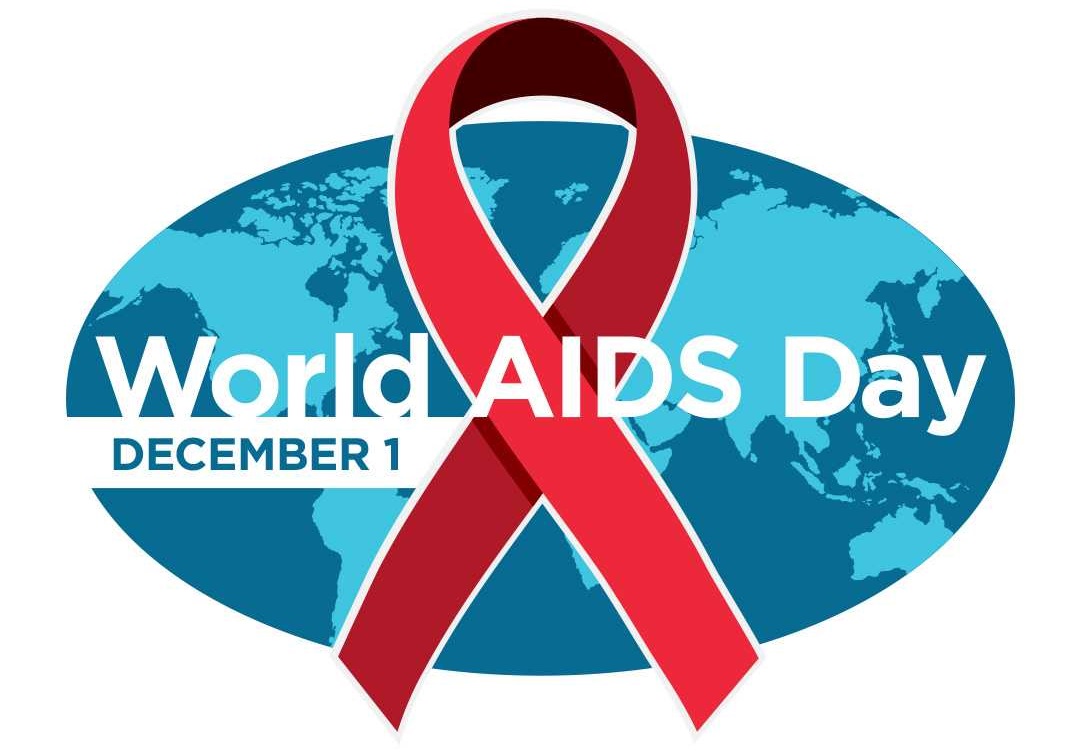
Every year on December 1st, World AIDS Day is observed across the globe. The purpose of this day is to raise awareness about HIV/AIDS, express solidarity with patients, and eliminate the misconceptions that still exist in society regarding this disease. This day reminds us that AIDS is not just an illness but a global challenge that requires collective awareness, responsibility, and continuous effort.
HIV is a virus that weakens the body’s immune system. Without timely diagnosis and proper treatment, it eventually progresses to AIDS. Unfortunately, in many parts of the world, people still avoid getting tested due to a lack of knowledge, social stigma, and feelings of shame — factors that contribute to the worsening of the situation.
Millions of people worldwide are living with HIV, yet many face severe difficulties due to limited access to treatment and support facilities. The World Health Organization, the United Nations, and various global forums are continuously working to prevent the spread of this virus through awareness campaigns, treatment programs, and ongoing research.
The most important step in addressing HIV is “correct awareness.” The virus spreads only through specific means, such as:
* Unprotected sexual contact
* Use of contaminated needles or equipment
* Transfusion of infected blood
* Transmission from mother to child
HIV does not spread through social interaction, handshakes, hugs, or sharing food — yet a large portion of society still holds these misconceptions.
Today, HIV has become a manageable condition. With **Antiretroviral Therapy (ART), patients can live healthy and normal lives. The virus can be suppressed to such low levels that it becomes untransmittable to others. This is why timely testing, accurate diagnosis, and consistent treatment are crucial. Any interruption in treatment can be harmful for the patient.
World AIDS Day also reminds us that those affected by this disease should not face hatred, discrimination, or shame. They need compassion, encouragement, and support. Harsh social attitudes push patients away from treatment and assistance, which contributes to further spread of the disease.
In Pakistan and many other countries, it is especially important to raise awareness among the youth. Schools, colleges, and universities should provide education on health, preventive measures, and scientific facts so that the younger generation remains safe and well-informed.
In the end, this day brings a message of hope. Today, research, treatment, and awareness efforts are stronger than ever. If global cooperation, continuous awareness, and social support persist, the time is not far when the world will completely overcome AIDS.
Remember: Awareness is protection.