




















Mubasher Mir
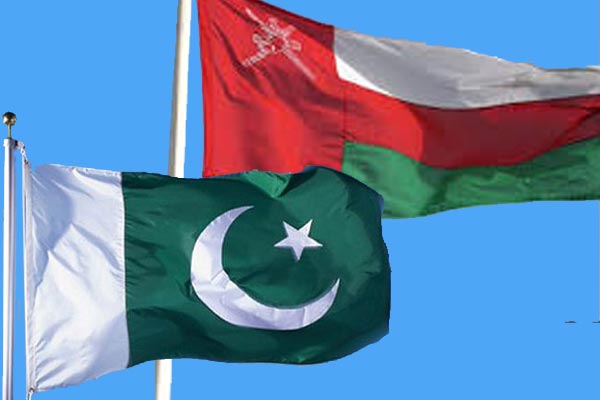
Pakistan and Oman share a deep-rooted relationship anchored in centuries-old historical, cultural, and maritime connections. While political and strategic cooperation between the two nations has grown steadily, the economic potential of this partnership remains under-utilized. In the current regional landscape, both countries have an opportunity to elevate their bilateral ties through enhanced trade, investment, security coordination, and people-to-people engagement.
Low Trade Diversification
Despite cordial relations, bilateral trade remains narrowly focused. Oman’s exports to Pakistan are dominated by petroleum products, while Pakistan mainly sends basic agricultural and industrial goods. This limited diversification restricts growth and leaves trade vulnerable to market fluctuations.
Visa-Related Issues
Pakistani workers form a vital part of Oman’s labor market, yet periodic visa delays and administrative hurdles continue to create uncertainty. These issues hinder the smooth mobility of skilled and semi-skilled labor, affecting both economies.
The shared maritime boundary—an important strategic asset—has also become a conduit for illegal human trafficking and other illicit activities. This poses significant security and humanitarian challenges and calls for stronger joint maritime monitoring, intelligence-sharing, and coastal control mechanisms.
The proposed ferry service for cargo and passengers is a potentially qtransformative initiative. Once operational, it can boost bilateral trade, enhance tourism, support cultural exchanges, and provide a safe, legal route for diaspora movement—all while curbing illegal migration.
Beyond labor cooperation, cultural, academic, and tourism exchanges must be expanded. Pakistan’s decision to allow Visa on Arrival for Omani nationals is a strong step forward. Encouraging Omani tourists, investors, and students to visit Pakistan will deepen societal goodwill.
Through the Pakistan-Oman Joint Investment Company (POIC), Oman can explore opportunities in Pakistan’s agriculture sector—supporting its long-term food security—as well as in the rapidly growing IT and technology industries.
Joint naval patrols and intelligence-sharing should be intensified to counter human trafficking, drug smuggling, and other transnational crimes. Turning the maritime boundary into a cooperative security zone will benefit both sides.
Establishing joint vocational and technical training centers will help Pakistani workers meet Omani market requirements and secure better employment opportunities. This would increase remittances and build a more skilled diaspora.
The Pakistan–Oman partnership is a model of fraternal relations built on shared history, strategic alignment, and strong diaspora ties. While political goodwill is abundant, economic engagement still lags behind. By activating the ferry service, diversifying trade, boosting investment, and strictly regulating the movement of people to curb illegal trafficking, both states can transform their relationship into a stronger, forward-looking strategic partnership.
Beyond bilateral ties, Pakistan and Oman maintain a tradition of cooperation at regional and global forums including the United Nations (UN), the Organization of Islamic Cooperation (OIC), the Gulf Cooperation Council (GCC) engagement platforms, and Asian multilateral bodies.
Oman is widely respected for its diplomatic neutrality and quiet mediation role in global conflicts—from the Gulf region to broader Middle Eastern disputes. Pakistan values Oman’s balanced approach and has often supported its efforts to promote dialogue, avoid escalation, and encourage negotiated settlements.
As geopolitical tensions rise globally—from the Red Sea to South Asia—Pakistan and Oman can play a constructive role in conflict resolution, preventive diplomacy, and promoting peace within the Islamic world.