















By Brig Syed Karrar Hussain Retired
Introduction
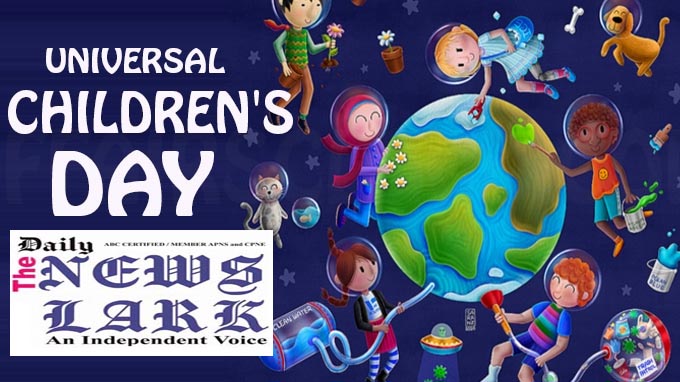
Every year, 20th November is celebrated worldwide as Universal Children’s Day, a day dedicated to promoting child rights, creating awareness about children’s welfare, and reminding societies of their collective responsibility toward the young generation. Children are the most precious asset of any nation, yet millions across the globe — especially in developing countries — face poverty, violence, exploitation, and lack of education or healthcare. Universal Children’s Day serves as a moral reminder that safeguarding children is not merely a legal obligation but a human commitment essential for a peaceful and prosperous world.
Background and History
Universal Children’s Day traces its origins to a growing global realization in the early 20th century that children needed special care and protection. After the devastation of two world wars, millions of children suffered from hunger, disease, homelessness, and exploitation. The international community felt a pressing need for a structured framework for child protection.
In 1954, the United Nations General Assembly officially established Universal Children’s Day and recommended that all countries observe it on a date of their choice to promote global unity and awareness. The day was designated to encourage:
International togetherness
Improvement of children’s welfare
Protection of children’s rights
A major milestone came on 20 November 1959, when the UN General Assembly adopted the Declaration of the Rights of the Child, laying out 10 fundamental principles guaranteeing children the right to life, education, healthcare, and protection from discrimination.
Three decades later, another historic event occurred on 20 November 1989, when the Convention on the Rights of the Child (CRC) was adopted. This legally binding international treaty — the most widely ratified human rights treaty in history — outlines comprehensive rights for children, including their right to survival, development, protection, and participation.
Because both landmark documents were adopted on 20 November, this date holds deep symbolic importance, making Universal Children’s Day not just a day of celebration but one of reflection, responsibility, and renewed commitment.
Purpose and Objectives of Universal Children’s Day
Universal Children’s Day is not a ceremonial event; it carries profound objectives aimed at transforming the lives of children worldwide.
1. Promoting Children’s Rights
The primary objective is to reinforce the importance of the rights recognized in the UN CRC — ensuring that every child, regardless of gender, race, social status, or geography, enjoys equal protection and opportunities.
2. Highlighting Challenges Faced by Children
The day creates awareness of issues like:
Child labor
Malnutrition
Physical and sexual abuse
Lack of education
Street children
Child marriage
3. Encouraging Global Solidarity
Universal Children’s Day strengthens international cooperation to help vulnerable children in conflict zones, refugee camps, or extreme poverty.
4. Inspiring Policy Changes
Governments, NGOs, educationists, and civil society organizations use this day to advocate for policy reforms that ensure child welfare, health, and development.
5. Celebrating Childhood
Finally, it is a day to honour the innocence, creativity, and beauty of childhood — a reminder that every child deserves happiness and equal chance to thrive.
Problems of Parents and Children in Third World Countries, especially in Pakistan
Despite global progress, millions of children in the developing world face severe hardships. In countries like Pakistan, where poverty, illiteracy, economic strain, and political instability persist, the challenges are even more serious.
Below are some of the major issues:
1. Poverty and Malnutrition
A large portion of Pakistan’s population lives below the poverty line. This directly affects children’s health, nutrition, and growth. Malnutrition is rampant:
Stunted growth
Weak immunity
Learning difficulties
Poor parents often struggle to provide even two meals a day, depriving children of healthy physical and cognitive development.
2. Lack of access to quality education
Although primary education is a constitutional right in Pakistan, millions of children remain out of school due to:
Poverty
Lack of schools in rural areas
Gender discrimination
Security conditions in some regions
Parents, especially those in remote areas, struggle to obtain quality education for their children due to inadequate educational infrastructure.
3. Child Labor
Economic pressure forces many families to send their children to work instead of school. Children work in:
Hotels
Workshops
Brick kilns
Markets
Factories
This deprives them of childhood, safety, and future opportunities.
4. Domestic Violence and Abuse
In many homes, children face physical and emotional abuse. Parents dealing with financial stress or lack of awareness often express frustration through harsh behaviour. This impacts children’s mental health, confidence, and emotional stability.
5. Limited Healthcare Access
Vaccination gaps, lack of pediatric facilities, and insufficient maternal healthcare create serious risks for children. Many families can not afford private medical treatment, resulting in preventable illnesses and high child mortality rates.
6. Street Children and Orphans
Urban centres in Pakistan have thousands of street children vulnerable to:
Drug abuse
Human trafficking
Child sexual abuse
Criminal exploitation
Parents living in extreme poverty can not safeguard these children.
7. Social and Cultural Pressures
Parents in third-world countries, including Pakistan, also face pressures related to:
Arranged marriages
Gender roles
Social expectations
Tribal norms
These pressures often restrict children’s rights, especially girls who face early marriage and limited educational opportunities.
Recommendations for a Better Future for Children
A brighter, safer, and more promising future for children requires collective responsibility. The government, society, parents, and especially the wealthy must work together.
1. Actions to Be Taken by the Government
a. Strengthen Education System
Build more schools in rural and underdeveloped areas
Implement strict laws against child labour
Ensure free books, uniforms, and transportation for poor children
Improve teacher training and curriculum quality
b. Improve Healthcare Access
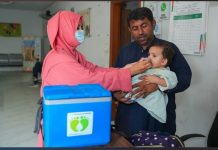
Expand vaccination programs
Establish child and maternal healthcare centres in every district
Provide free or subsidized medical treatment for poor families
c. Introduce Child Protection Legislation
Strengthen laws against child abuse, trafficking, and early marriage
Create fast-track courts for children-related cases
Establish social welfare centres and child helplines
d. Support for Parents
Create employment programs for poor families
Provide financial assistance for widows, single mothers, and disabled parents
Offer parental awareness workshops on child development and positive parenting
2. Responsibility of Society and Wealthy People
a. Social Awareness Campaigns
Educated and affluent citizens must run awareness drives about:
Child rights
Importance of education
Harmful effects of child labour
b. Support NGOs and Local Schools
Wealthy individuals can sponsor:
School fees of poor children
Health camps
Food assistance programs
Orphanages and street children rehabilitation projects
c. Promote Inclusive Communities
Society must embrace children with disabilities and provide them equal opportunities in education, sports, and social life.
d. Encourage a Culture of Kindness
Respect for every child, regardless of background, should become a social norm.
3. Responsibilities of Parents
a. Prioritize Education
Parents must understand that education is the strongest weapon against poverty. Sending children to school should be a top priority.
b. Provide Emotional Support
Children need love, not fear. Parents must foster a bond of trust and communication, avoiding harsh reactions or unnecessary pressure.
c. Positive Parenting Practices
Guidance, discipline, and moral training should be given through:
Patience
Encouragement
Positive role modelling
d. Ensure health and hygiene
Parents must focus on:
Nutrition
Routine medical check-ups
Cleanliness
Safe home environment
e. Protect Children from Abuse
Parents must remain vigilant about children’s social circles, school environment, and online activities to prevent abuse or exploitation.
Conclusion
Universal Children’s Day on 20 November is a powerful reminder that children are the hope of tomorrow and the heartbeat of every nation. Their safety, education, healthcare, and emotional development must be a top priority for all. While the government must strengthen laws and systems, society must show compassion, and parents must provide guidance and love.
A future where every child has equal opportunities is not a dream — it is a responsibility. By working together, we can build a Pakistan where every child grows with dignity, confidence, and hope.
May we all commit ourselves to nurturing and protecting the next generation — for they are the architects of a brighter and more peaceful future.