


















By Brig (R) Karrar Hussain Shah
The Dawn of 6th September 1965
In the annals of history, certain days emerge as timeless symbols of national will, courage, and unshakable unity. For Pakistan, 6th September 1965 is not merely a date—it is a living testament to the indomitable spirit of a young nation that dared to stand against an aggressor many times larger in size and resources. It was on this day that India launched a full-scale attack on Lahore, hoping to seize the heart of Pakistan within hours. Yet what followed was not defeat, but the birth of a saga that Pakistanis proudly recall as Defence Day.

The soil of Lahore, Sialkot, and Kasur was drenched with the blood of martyrs, but it was also consecrated with the resolve of a people who stood shoulder to shoulder with their armed forces. Mosques echoed with prayers, streets vibrated with patriotic songs, and soldiers fought with a conviction that shook the enemy’s arrogance. From Major Aziz Bhatti who embraced martyrdom while defending Lahore’s frontlines, to the countless nameless villagers who supplied water, food, and prayers to the soldiers, Pakistan proved that wars are not fought by armies alone—they are fought by nations.
A Nation and Its Armed Forces: The Shield of Unity
From 1965 till May 2025, the trajectory of Pakistan’s defence is marked by both trials and triumphs. The Armed Forces of Pakistan—Army, Navy, Air Force, Rangers, Frontier Corps, and later the paramilitary and police forces—have stood as the first line of defence. Yet what gives them strength is the undying support of the people.
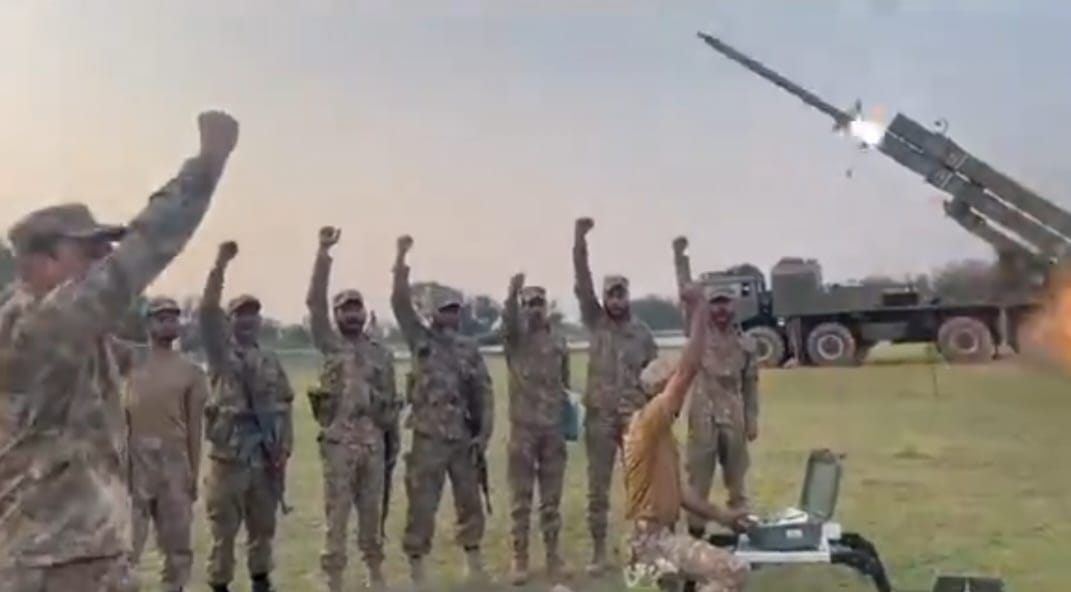
The unity witnessed in 1965 did not fade with time. It was seen again in the wars of survival fought in 1971, in the struggle against terrorism from 2001 onwards, in the fighting of Kargil heights, and in every challenge that threatened Pakistan’s sovereignty Whether it was the roar of Pakistan Air Force jets in the skies of Sargodha, the submarines of the Navy lurking silently in the Arabian Sea, or the resilience of soldiers standing guard on icy Siachen and blazing deserts of Cholistan—the message was one: Pakistan will never bow.
Pakistan’s Marka-e-Haq: A Timeless Struggle
The concept of Marka-e-Haq—the Battle of Truth—goes beyond the physical battlefield. It is the conviction that defending the motherland is not only a duty but a sacred act of faith. In 1965, it was the faith of a farmer who handed over his last loaf of bread to a passing soldier. In 1971, it was the courage of officers who refused to surrender their honor. In the decades of counterterrorism, it was the resilience of civilians in Karachi, Peshawar, Quetta, and Swat, who rebuilt their homes and schools despite losing loved ones.
Even today, in May 2025, the struggle continues. Pakistan faces new threats—hybrid warfare, propaganda, cyber attacks, and fifth-generation warfare—but the spirit of 1965 remains alive. The defence of Pakistan is not bound by weapons alone; it is powered by ideology, faith, and love for the homeland.
The Nation’s Eternal Bond with Its Armed Forces
Unlike many nations where armies and people stand apart, Pakistan enjoys a rare bond: the soldier is the son of the soil, the brother of the farmer, the neighbor of the shopkeeper, the pride of the mother. When the bugle of war sounds, the people of Pakistan rise as one.
The 1965 war immortalized this unity. Civilians donated blood, provided transport, and opened their homes to soldiers. Poets like Habib Jalib and singers like Noor Jehan stirred the soul of the nation with verses and songs that still echo in Pakistani hearts. This bond has remained unbreakable through time—whether during floods, earthquakes, or military operations against extremists, the armed forces have always been at the forefront, and the nation has always stood behind them.
The Bravery of the People Who Love Their Motherland
The bravery of Pakistan’s people is not confined to soldiers in uniform. It lies in the ordinary citizen who, despite hardships, refuses to compromise on independence. It shines in the resilience of families who send their sons to the frontlines, offering their sacrifices with pride. It glows in the eyes of children who wave green flags on Defence Day, knowing their future is secured by martyrs’ blood.
Pakistan’s love for its motherland is not an abstract sentiment—it is rooted in history, faith, and culture. Born from the dream of Allama Iqbal and the struggle of Quaid-e-Azam, Pakistanis know that their homeland is not merely a piece of land but a sacred trust, earned after centuries of sacrifices. To defend it is to defend identity, honor, and faith itself.
Enemies Must Think a Thousand Times
History has proven that underestimating Pakistan is a grave mistake. In 1965, India miscalculated the resolve of Pakistanis and faced a humiliating standstill. In later decades, when global powers pressured Pakistan, it stood firm. Whenever terrorists tried to paralyze the country, they were crushed by operations like Zarb-e-Azb and Radd-ul-Fasaad.
Now, in May 2025, the message remains unchanged: any enemy who dares to cast an evil eye on Pakistan must think a thousand times. For Pakistan is not defended by weapons alone; it is defended by 240 million hearts beating as one, by a nuclear shield forged through sacrifice, and by an unshakable faith that Allah is the ultimate Protector.
Defence Day in Today’s Context
Every year on 6th September, Pakistan pauses to remember and renew. It remembers the martyrs whose blood sanctified the land, the ghazis whose courage wrote history, and the citizens whose unity became a fortress. It renews the pledge that no matter the challenges—be they external aggression, internal conspiracies, or economic hardships—the nation will remain steadfast.
Defence Day is not about glorifying war; it is about celebrating peace secured through sacrifice. It is about reminding the young generation that their comfort today is the fruit of others’ hardships yesterday. It is about sowing seeds of resilience, patriotism, and service for tomorrow.
From 1965 to 2025: A Journey of Sacrifice and Resolve
Looking back across six decades, one sees a journey painted with both tears and triumphs.
1965: A nation of few resources proved that courage can outshine numbers.
1971: Even in loss, the resilience of Pakistan remained unbroken, leading to rebirth and revival.
1998: Pakistan entered the nuclear club, ensuring its defence would never be compromised again.
2001–2020: In the longest war against terror, Pakistan sacrificed over 80,000 lives, yet emerged stronger.
2025: Today, Pakistan stands tall as a responsible nuclear state, resilient in the face of economic, political, and security challenges.
Through it all, the golden thread that binds these years is faith—faith in Allah, faith in unity, and faith in the righteousness of the cause.
The Call of the Future
As Pakistan marks Defence Day in September 2025, it carries the weight of history but also the promise of tomorrow. The armed forces are modernizing with advanced technology, cyber defence, and joint operational readiness. The youth, comprising the majority of Pakistan’s population, are rising with a new sense of purpose.
Yet, the true defence of Pakistan does not lie only in missiles or tanks—it lies in education, in national integrity, in economic strength, and in moral courage. A nation is unconquerable when its citizens value honesty, discipline, and unity as much as they value bravery in battle.
Conclusion: The Eternal Flame of Marka-e-Haq
From the blood-soaked fields of 1965 to the cyber defences of 2025, the saga of Pakistan’s Marka-e-Haq continues. It is a battle fought not only against external enemies but against despair, division, and doubt. It is a story where every generation must play its part—soldiers with their arms, scholars with their words, workers with their sweat, and mothers with their prayers.
Defence Day, therefore, is not a date on the calendar—it is a perpetual reminder that Pakistan lives because its people dare to live for it, and if required, to die for it.
And to the enemies who still dream of testing Pakistan’s resolve, let the echo of history remind them: think not once, not twice, but a thousand times—for the land of the crescent and star is guarded by faith, unity, discipline, and the undying love of its people.