














Written by: Muhammad Zeb
The Middle East — a region historically marred by strife, resistance, and ideological fault lines — finds itself once again on the edge of a dangerous precipice. What began as simmering tensions between Iran and Israel has now erupted into a phase of open confrontation, with the battlefield extending beyond political chambers and into real skies. Drone strikes, ballistic missiles, and targeted military operations have become the new language of hostility.
The global community, already fatigued by multiple conflicts and economic uncertainties, now watches with bated breath. Many fear that the current standoff could ignite a broader, more destructive war in an already volatile region. Amid this backdrop, Pakistan, a nuclear-armed state and a prominent voice in the Islamic world, emerges as a nation maintaining a delicate yet decisive diplomatic balance. Its response has not been of aggression, but of caution, principle, and a clear call for de-escalation.
Latest Developments:
In mid-June 2025, the conflict took a dramatic turn. Israel launched a series of precision strikes against what it described as Iranian nuclear and military infrastructure. According to defense analysts, these strikes were aimed at crippling Iran’s capability to advance its long-debated nuclear ambitions.
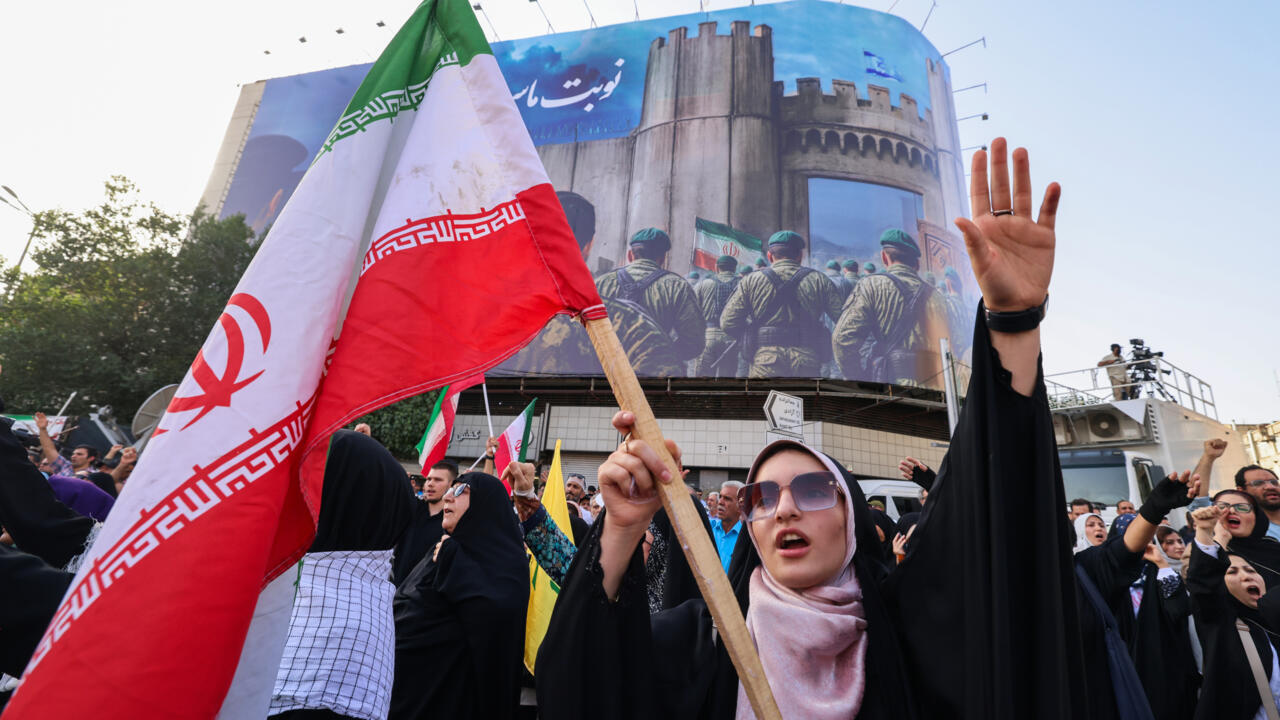
Tehran responded swiftly and decisively. Over 150 ballistic missiles and a swarm of combat drones were launched toward key Israeli cities and defense outposts. While Israel’s Iron Dome defense system intercepted many of them, a significant number reached their targets — causing not only infrastructure damage but also civilian casualties. The attacks, some in broad daylight, sent shockwaves across the region.
Amid this high-stakes showdown, former U.S. President Donald Trump stepped in unexpectedly, announcing a “temporary ceasefire” that was reportedly agreed upon by both parties. However, the truce proved fragile. Within hours, Iran launched a deadly missile strike on Be’er Sheva — resulting in multiple fatalities and dozens of injuries. Israel, as expected, responded with retaliatory airstrikes near Tehran, deepening the crisis.
What is now unfolding is not a conventional war — but a calculated, evolving cold conflict, with real-time consequences for the Middle East and beyond.
Global Reactions:
As the region braces for what could come next, international voices have grown louder in their concern. The European Union called the situation “alarming” and urged both parties to return to diplomacy. The United Nations Secretary-General condemned the escalation, highlighting the risk of a broader conflict that could jeopardize millions of lives. Turkey, with its unique geopolitical positioning, warned that further escalation would not serve the interest of any nation in the region.
The Gulf states, many of whom maintain complicated relationships with both Iran and Israel, are watching with extreme caution. Any full-scale war would threaten their energy supplies, foreign investments, and social stability. Global oil markets have already shown signs of disruption, and economic forecasts are adjusting to the new reality of a volatile Middle East.
Pakistan’s Position:
From the very onset of the crisis, Pakistan has shown diplomatic clarity and moral consistency. As a nuclear power with strong cultural, religious, and economic ties to the Middle East — particularly with Iran and the Arab world — Pakistan’s position carries weight and significance.
The Ministry of Foreign Affairs issued a carefully worded statement, emphasizing that:
> “Pakistan condemns all forms of conflict in the Middle East and urges all parties to abide by international laws and the United Nations Charter. The region cannot afford another war. Dialogue, not destruction, must be the path forward.”
In addition to its condemnation of violence, Pakistan expressed concern over Israel’s unilateral military actions, describing them as disproportionate and provocative. At the same time, it acknowledged Iran’s right to self-defense, particularly in the face of repeated violations of its sovereignty.
However, Pakistan did not take sides in military terms — instead, it upheld its longstanding policy of strategic neutrality with moral clarity. It has called for immediate de-escalation, renewal of diplomatic engagement, and, if necessary, mediation through multilateral platforms such as the Organisation of Islamic Cooperation (OIC) and the United Nations.
Balancing Diplomacy and Security:
Internally, Pakistan has remained vigilant. Security agencies have reportedly increased surveillance along the western border, particularly in Balochistan, given its proximity to Iran and susceptibility to cross-border instability. Intelligence reports suggest potential infiltration risks and provocations by non-state actors, should the conflict further intensify.
Yet, despite these concerns, Islamabad has opted for stability over posturing. By avoiding inflammatory rhetoric and focusing on diplomacy, Pakistan demonstrates the maturity of a state that understands its role not just as a regional actor, but as a responsible stakeholder in global peace efforts.
Economically, too, Pakistan is considering how to shield itself from any external shocks. As global oil prices begin to fluctuate and trade routes in the Persian Gulf face uncertainty, Pakistan’s leadership is reportedly exploring alternative energy and supply chain strategies.
Conclusion:
The current phase of the Iran-Israel conflict is more than just another chapter in a long-standing rivalry — it is a test of international resolve, regional diplomacy, and national leadership. The stakes are higher than ever.
In such a landscape, Pakistan’s approach offers a model of balanced diplomacy: one that neither compromises on moral principles nor gets swayed by geopolitical temptations. It advocates for peace without appearing weak, and stands with oppressed voices without inflaming tensions.
If global leaders fail to intervene wisely and swiftly, the flames of this conflict may not remain confined to Tehran or Tel Aviv — they may reach beyond borders, into oil corridors, financial markets, and diplomatic alliances.
Pakistan’s call remains simple yet profound: Choose peace. Choose dialogue. Choose humanity.