












By Brig Syed Karrar Hussain Shah (Retired)
Every child is born with dreams, hopes and unlimited potential. A child deserves a childhood filled with love, education, good health, dignity and opportunities. Yet, for millions of children around the world, childhood is not a period of happiness and learning; instead, it is a daily struggle against poverty, hunger, exploitation, discrimination and deprivation.
World Children’s Day, observed annually on 20 November, provides an opportunity for the international community to renew its commitment to protecting children’s rights and securing their future. It is not merely a day of celebrations but a reminder of our collective moral, social and national responsibilities towards the younger generation.
Historical Background and Purpose
The United Nations General Assembly established Universal Children’s Day in 1954 to promote international togetherness, awareness among children and improvement in their welfare. The date of 20 November holds special significance because, on this day in 1959, the United Nations adopted the Declaration of the Rights of the Child. Subsequently, on 20 November 1989, it adopted the Convention on the Rights of the Child (UNCRC).
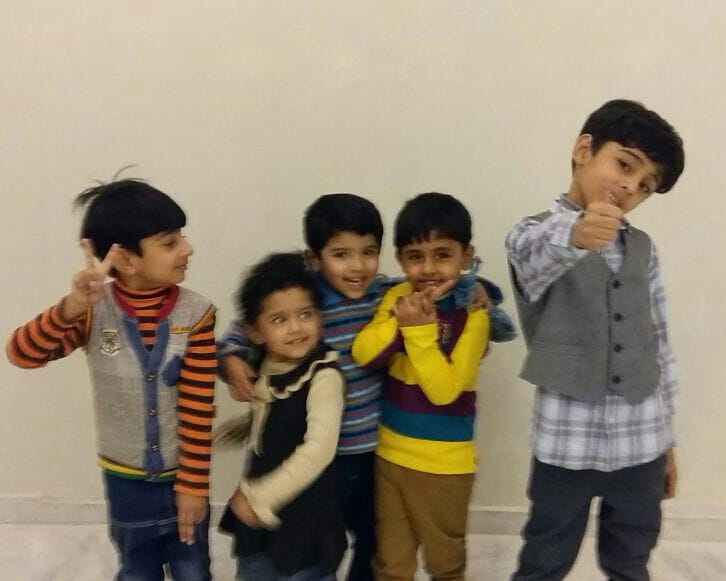
This historic convention recognises every child’s fundamental rights, including the right to survival, education, healthcare, protection from violence, freedom from exploitation and opportunities for physical, intellectual and emotional development.
The primary purpose of World Children’s Day is to ensure that every child, irrespective of nationality, religion, gender, ethnicity or economic background, enjoys equal rights and opportunities. It also encourages governments, parents, educational institutions and civil society to listen to children’s voices and involve them in decisions affecting their lives.
The Situation of Children in Pakistan
Pakistan is a country blessed with a large and energetic young population. Its children represent an enormous national asset. However, millions of them continue to face challenges that threaten their physical, intellectual and emotional development.
One of the most alarming problems is the lack of access to education. According to UNICEF estimates, approximately 25.1 million children aged 5–16 are out of school in Pakistan. This is a serious national concern that demands immediate and coordinated action.
Poverty, inadequate educational facilities, insufficient teachers, gender discrimination, distance from schools and financial constraints prevent many children from receiving an education. In rural areas, particularly in underprivileged districts of Sindh and Balochistan, girls face additional barriers. Education should never be considered a privilege reserved for wealthy families; it is a fundamental right of every child.
Child Labour: A Stolen Childhood
Child labour is another major challenge confronting Pakistani society. Thousands of children can be seen working in workshops, factories, hotels, restaurants, brick kilns, agricultural fields, automobile workshops and domestic households.
Instead of carrying schoolbags and playing with their friends, these innocent children are compelled to earn money to support their families. Some work in dangerous environments, exposing themselves to physical injuries, toxic substances, exploitation and psychological trauma.
Poverty i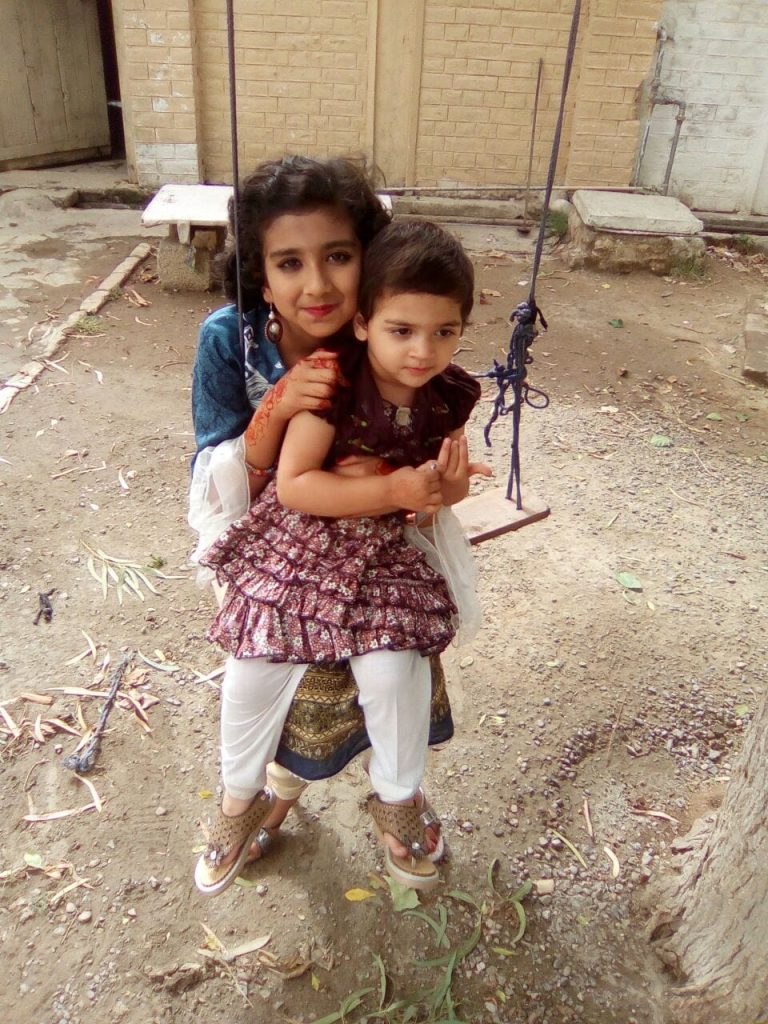 s an important cause, but weak implementation of labour laws, lack of social protection and limited educational opportunities also contribute to this problem.
Children should not be forced to become breadwinners at an age when they should be learning and developing their personalities. The government must strictly enforce child protection and labour legislation, punish those exploiting children and provide financial assistance to vulnerable families.
Malnutrition and Lack of Proper Diet
Another deeply concerning issue is malnutrition. A healthy childhood requires a balanced diet containing proteins, vitamins, minerals, fruits, vegetables, milk and other essential nutrients.
Unfortunately, many Pakistani children suffer from stunting, wasting, anaemia and deficiencies of essential vitamins and minerals. UNICEF reports that more than four in ten children under five in Pakistan are affected by stunting.
Malnutrition does not merely affect physical growth; it can also damage brain development, reduce learning abilities and weaken immunity. A hungry child cannot concentrate properly in the classroom or fully participate in healthy childhood activities.
The government should strengthen nutrition programmes, maternal healthcare, vaccination campaigns, school meal initiatives and awareness programmes about balanced diets. Special attention must be given to children belonging to low-income families.
Violence, Abuse and Other Protection Challenges
Children also face serious threats from physical punishment, sexual abuse, human trafficking, forced marriages, neglect and exploitation. Street children and children living without parental protection are particularly vulnerable.
The increasing use of digital technology has created additional challenges, including cyberbullying, online harassment and exposure to harmful content.
Children with disabilities also deserve special attention. They must have access to inclusive education, healthcare, rehabilitation facilities and equal opportunities to participate in society.
Protecting children means ensuring that every child can live without fear, discrimination or humiliation.
Responsibilities of Parents
Parents are the first teachers and protectors of their children. Their responsibilities extend far beyond providing food, clothing and shelter.
They must ensure proper education, nutritious food, healthcare, emotional support and a safe family environment. Parents should spend quality time with their children, listen to their concerns and understand their interests and ambitions.
They must avoid excessive pressure, harsh punishment and unnecessary comparisons. Instead, children should be encouraged to develop confidence, discipline, compassion and independent thinking.
Parents must also supervise children’s use of mobile phones and social media while educating them about online safety and responsible behaviour.
Responsibilities of the Government
The government has a constitutional, legal and moral responsibility to protect children. Pakistan must strengthen the implementation of existing child protection laws and ensure that every province has effective mechanisms for safeguarding children’s rights.
Priority should be given to:
– Providing free, compulsory and quality education.
– Eliminating child labour, forced labour and child trafficking.
– Expanding healthcare, vaccination and nutrition programmes.
– Establishing effective child protection and rehabilitation centres.
– Improving birth registration and identity documentation.
– Ensuring safe drinking water and sanitation.
– Providing special facilities for children with disabilities.
– Increasing public spending on education and healthcare.
Government departments, law enforcement agencies, educational institutions and welfare organisations must work together rather than operating in isolation.
Responsibilities of Society and Civil Society Organisations
Protecting children is not exclusively the responsibility of the government or parents. It is a collective responsibility of society.
Teachers must create safe and encouraging learning environments. Religious scholars should promote compassion, kindness and protection of children’s rights. Media organisations should highlight child-related issues and discourage the glorification of child exploitation.
NGOs, philanthropists, business organisations and community leaders can establish schools, provide scholarships, arrange free medical facilities and support underprivileged families.
Employers must refuse to employ children in prohibited and hazardous occupations and should adopt responsible business practices.
Above all, society must change its attitude towards children working on streets, at traffic signals and in domestic households. Rather than accepting child labour as a social reality, we must recognise it as a serious violation of children’s rights.
Conclusion: Invest in Children, Invest in Pakistan
The future of Pakistan depends upon the quality of education, health, character and opportunities we provide to our children today. A nation cannot progress while millions of its children remain deprived of education, proper nutrition, healthcare and protection.
Our national priorities must therefore include investment in schools, hospitals, nutrition programmes, child protection institutions and opportunities for disadvantaged children.
Let us remember that children do not need merely our sympathy; they need our commitment, protection and practical support.
On this World Children’s Day, let us make a promise that no child in Pakistan will be deprived of education because of poverty, forced into labour because of hunger, or denied dignity because of social discrimination.
A child with a book in hand is better than a child with tools of labour. A child enjoying a nutritious meal is better than a child sleeping hungry. A child protected by society is the foundation of a peaceful and prosperous nation.
Let us build a Pakistan where every child can dream, learn, grow and contribute to humanity.
Because protecting childhood is not simply a responsibility towards children; it is an investment in the destiny of Pakistan.