

















Air Vice Marshal Syed Imran Majid Ali( Retd.)
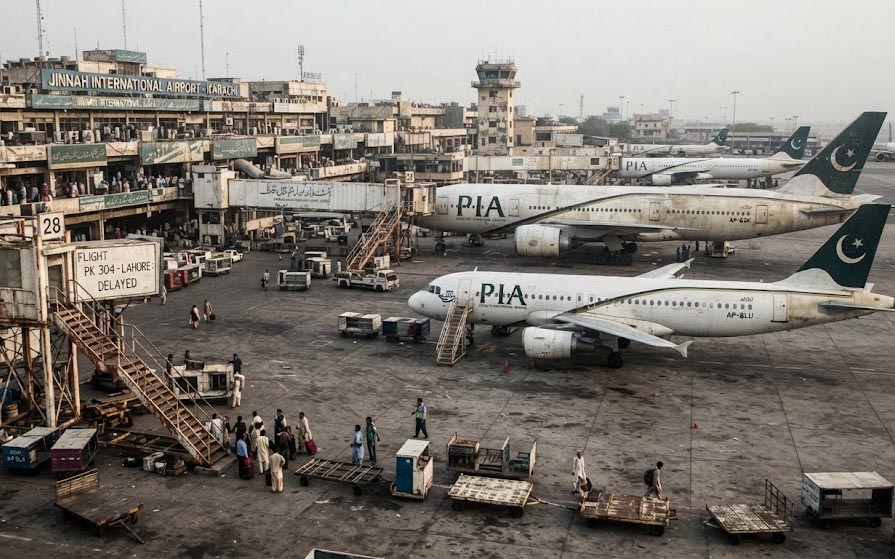
Pakistanis a country with normousaviationpotential, yet its aviation industry continues to operate far below that potential. In several critical areas regulation, technology, infrastructure, airline management, financing and operational efficiencyPakistaniseffectivelydecadesbehindtheleading aviation markets of the world.
The problem is not a lack of talented pilots, engineers or aviation professionals. Pakistan has produced some of the finest aviation manpower in the region. The fundamental problem is the system in which this talent operates.
Why are lessors & Investors are being cautious aboutPakistan?
Aircraft leasing is fundamentally a business of trust. When an international lessor placesaUS$30–60millionaircraftwithanairline,itisnotmerelyassessingtheaircraft or the airline’s profitability. It is assessing the entire ecosystem: regulatory oversight, maintenance standards, financial discipline, currency convertibility, repossession procedures, insurance, legal enforceability and the ability to recover its asset if the lessee defaults.
ThisiswherePakistanhashistoricallyfacedaperception problem.
Past safety concerns, regulatory weaknesses, aircraft groundings, inconsistent documentation, foreign-exchange restrictions and uncertainty surrounding enforcement of commercial contracts have contributed to a higher perceived risk premium. The European Commission’s scrutiny of Pakistan’s aviation oversight demonstratedhowcloselyinternationalstakeholdersmonitorthe country’sregulatory capability. Importantly, Pakistan has made progress: the EU lifted the suspension affecting PIA’s Third Country Operator authorisation in 2024 after improvements in safety oversight, while identifying areas requiring continued improvement.
The challenge now is to convert improvement into international confidence. The industry needs a complete transformation
Pakistan has already taken an important institutional step by separating regulatory, airport-service and accident-investigation functions. The creation of the PCAA, Pakistan Airports Authority and Bureau of Aircraft Safety Investigation was intended to reduce conflicts of interest and strengthen independent oversight. But legislation alone will not modernise aviation. Pakistan needs a technology-driven, commercially oriented aviation ecosystem.
The regulator should move decisively from paperwork-based supervision towardsdigital,risk-basedanddata-drivenoversight.SafetyManagementSystems,Flight Data Monitoring, Continuing Airworthiness Management, electronic licensing, digital occurrence reporting and real-time safety dashboards should become standardpractice.
The government should also create a predictable regulatory environment in which airlines can plan fleets and investments for 10–20 years rather than operating from one policy change to another.
Makeaircraftleasingeasier
A modern airline industry cannot grow without the support of local banks and access to aircraft. Pakistan should establish a transparent and internationally credible framework for aircraft leasing, registration, deregistration, export and repossession. Foreign lessors must knowthat their aircraft can be recovered quicklyand legallyif a lease fails.
Equally important is the ability to remit legitimate lease payments, maintenance reserves and other aircraft-related financial obligations in foreign currency without unnecessary uncertainty. The National Aviation Policy has already recognised the importanceofdryleasing.ThenextstepshouldbetomakePakistanalessor-friendly jurisdiction through predictable regulations, efficient approvals and internationally recognised contractual protections.
Stoptreatingairlinessimplyastransport departments
Anairlineisahighlyspecialisedcommercialenterprise,notmerelyanationalservice.
Airlines must be managed according to internationally recognised commercial principles: professional boards, experienced executives, transparent procurement, disciplinedfleetplanning,revenuemanagement,costcontrolandperformance-basedaccountability.
Fleetselectionmustbebasedoneconomics,notprestige.Everyaircraftshouldhave a clearly demonstrated business case covering utilisation, fuel burn, maintenance cost, financing, route economics and residual value.
Pakistanalsoneedsastrongecosystemof MROs,aviationtrainingorganisations, ground handlers, cargo operators, aviation technology companies and aircraft component suppliers. This would retain billions of dollars within the national economy while creating skilled employment.
Aviationcanbecomeamajoreconomic engine
Pakistan’s geographic location gives it considerable potential for domestic, regional andinternationalconnectivity.Butgeographyalonedoesnotcreateprofitableairlines.
Weneedtodevelopaviation aroundfive principles:
Safety first. Commercial discipline second. Technology third. Connectivity fourth. Customer experience fifth.
A modern aviation strategy should encourage competition, private investment and specialist operators while allowing the regulator to concentrate exclusively on safety and compliance.
The country should also explore aviation financing mechanisms, aircraft leasing platforms, maintenance hubs, aviation training centres and regional cargo networks. Recent discussions involving PIA, Boeing and US EXIM financing demonstrate that internationalaviation partners continue to see opportunities in Pakistan, provided the commercial and regulatory framework supports investment.
Thewayforward
Pakistan does not need another aviation policy document sitting on a shelf. It needsimplementation, continuity and accountability.
We should establish a 10-year National Aviation Transformation Programme with measurable targets for safety oversight, aircraft induction, airport efficiency, digitalisation, MRO development, airline profitability, international connectivity and investment. The objective should be simple:
MakePakistanasafe, predictable, investment-friendlyandcommerciallyviable aviation market.
Pakistan’s aviation industry is not short of potential. It is short of modern systems, consistent execution and investor confidence.
Ifwecanestablishthosethreepillars,aircraftlessorswillseePakistannotasadifficult market, but as a growth opportunity. Airlines can become commercially sustainable, airports can become productive economic assets, and aviation can evolve from a recurring financial burden into a significant contributor to Pakistan’s economy.