

















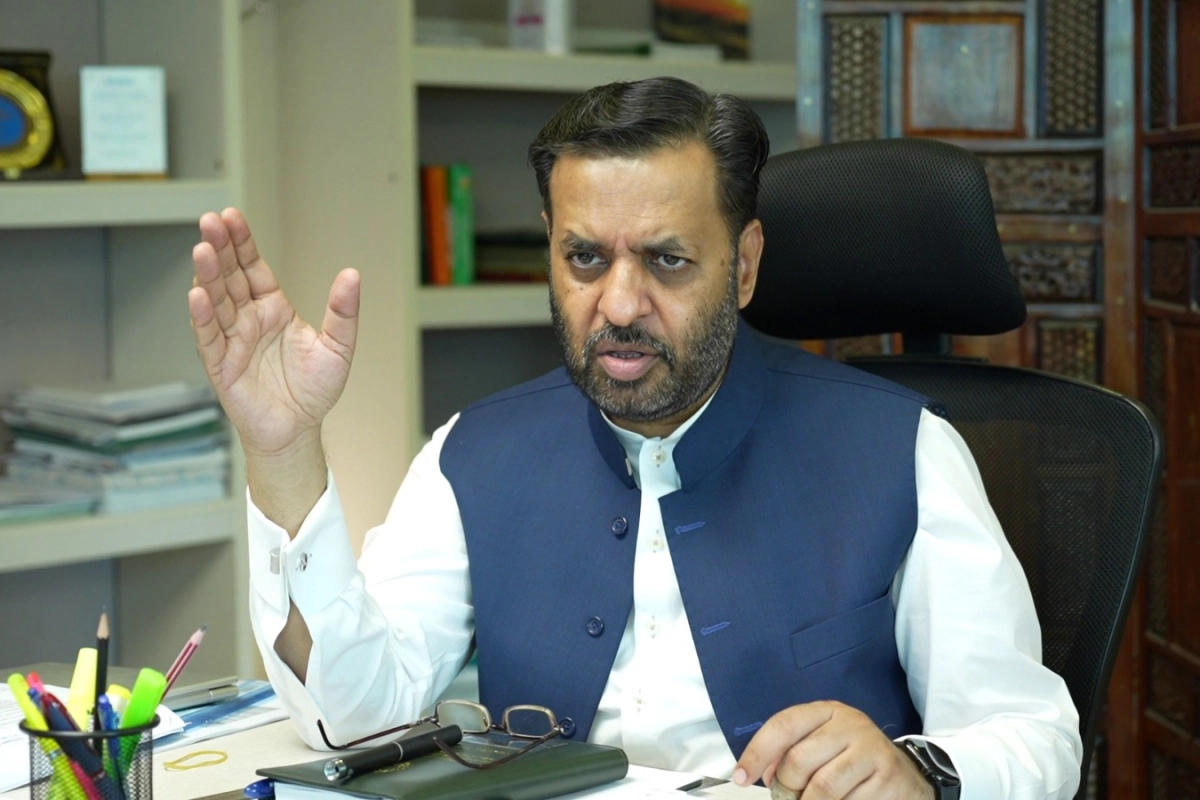
ISLAMABAD: Federal Minister for National Health Services, Regulations and Coordination Mustafa Kamal on Friday underscored the importance of telemedicine in improving access to healthcare, reaffirming the government’s commitment to strengthening Basic Health Units (BHUs) through modern technology and digital healthcare services.
He made these remarks to inauguration ceremony of the ninth of 10 Telemedicine Centres at the Primary Health Centre in Phulgran, Islamabad, as initiative was part of the ministry’s healthcare digitalisation programme aimed at transforming primary healthcare facilities into modern centres.
He said the government planned to expand the network of telemedicine centres, noting that primary healthcare facilities play a vital role in treating common illnesses and reducing pressure on major hospitals. He informed that more than 14,500 people had so far received medical consultation and treatment through telemedicine centres.
“These primary healthcare centres help reduce the burden on tertiary care hospitals by treating minor illnesses at an early stage,” he said, adding that major hospitals focused should be focus on patients requiring tertiary care.
Referring to the Prime Minister’s Sehat Sahulat Programme, Kamal said the initiative had been revived after a gap of four years and currently covered treatment of up to Rs1 million per patient.
He said 44 hospitals and around 9,502 hospital beds had been brought under the programme, adding that more hospitals would be included to improve healthcare access and enhance public satisfaction.
The minister observed that despite the country’s health budget of Rs 1,153 billion, public complaints regarding healthcare services continued.
Citing a study, he said a comprehensive health insurance system, like the Sehat Sahulat Programme, could provide free treatment of up to Rs1 million for every citizen at an estimated annual cost of around Rs210 billion, while significantly improving public satisfaction with healthcare services.
Kamal stressed that the government’s primary responsibility was to formulate effective health policies and ensure their implementation, despite running hospitals.
He reiterated the ministry’s commitment to expanding quality healthcare services in remote areas through digitalisation, modern technology and telemedicine.