


















By Brig Syed Karrar Hussain Retired
Gilgit-Baltistan, often described as the crown jewel of Pakistan, is a region blessed with breathtaking landscapes, towering mountains, rich cultural heritage, and immense strategic significance. Located in the extreme north of Pakistan, it serves as a gateway connecting South Asia with Central Asia and China. Today, as the people of Gilgit-Baltistan participate in their local elections, it
reminded me me
my beautiful and rewarding posting in this area, including Siachen, K2, and Kargil Sectors . Therefore, today, it
is an appropriate moment to reflect on the region’s historical significance, natural beauty, economic potential, and the responsibilities of the state towards its continued development.
The ongoing elections in Gilgit-Baltistan represent an important democratic exercise. The people of the region are actively participating in selecting their representatives who will contribute to local governance and development. Elections not only strengthen democratic institutions but also provide citizens with an opportunity to voice their aspirations regarding infrastructure, education, healthcare, tourism, and economic growth. The peaceful conduct of elections is a positive sign of political maturity and public confidence in democratic processes.
The history of Gilgit-Baltistan is deeply connected with the struggle for freedom and self-determination. Before 1947, the region was administratively linked to the princely State of Jammu and Kashmir. Following the partition of British India, local leaders, scouts, and freedom fighters revolted against the rule of the Maharaja of Kashmir. On 1 November 1947, the people of Gilgit liberated the region and raised the flag of freedom. The local population rejected accession to India and expressed their desire to join Pakistan. Since then, Gilgit-Baltistan has remained closely associated with Pakistan and has played a vital role in safeguarding the country’s northern frontiers. The sacrifices of the local people and the Gilgit Scouts remain an important chapter in Pakistan’s history.
One of the most significant developments in the region’s modern history was the construction of the Karakoram Highway. Often referred to as the “Eighth Wonder of the World,” the Karakoram Highway connects Pakistan with China through the Khunjerab Pass. Built under extremely challenging geographical conditions, the highway stands as a symbol of friendship between Pakistan and China. Stretching through some of the world’s highest mountain ranges, it has transformed trade, tourism, and regional connectivity. Today, the highway serves as the backbone of the China-Pakistan Economic Corridor (CPEC), facilitating economic cooperation and providing Pakistan with access to broader regional markets. It has also improved the lives of local communities by connecting remote valleys with major urban centers.
Gilgit-Baltistan possesses a unique demographic composition. The region is home to a diverse population consisting of various ethnic and linguistic groups, including Shina, Balti, Burusho, Wakhi, Khowar, and Domaki-speaking communities. Despite their linguistic and cultural diversity, the people of Gilgit-Baltistan live together in harmony and share a strong sense of patriotism. The population is known for its hospitality, honesty, resilience, and commitment to education. The literacy rate in many parts of Gilgit-Baltistan is higher than the national average, reflecting the community’s emphasis on learning and social development.
The natural beauty of Gilgit-Baltistan is unparalleled. It is home to some of the highest mountain peaks on Earth, including K2, the world’s second-highest mountain. Three of the world’s great mountain ranges—the Karakoram, Himalayas, and Hindu Kush—meet in this remarkable region. Snow-covered peaks, crystal-clear rivers, lush green valleys, glaciers, and alpine lakes create a landscape that attracts tourists, mountaineers, and researchers from around the world.
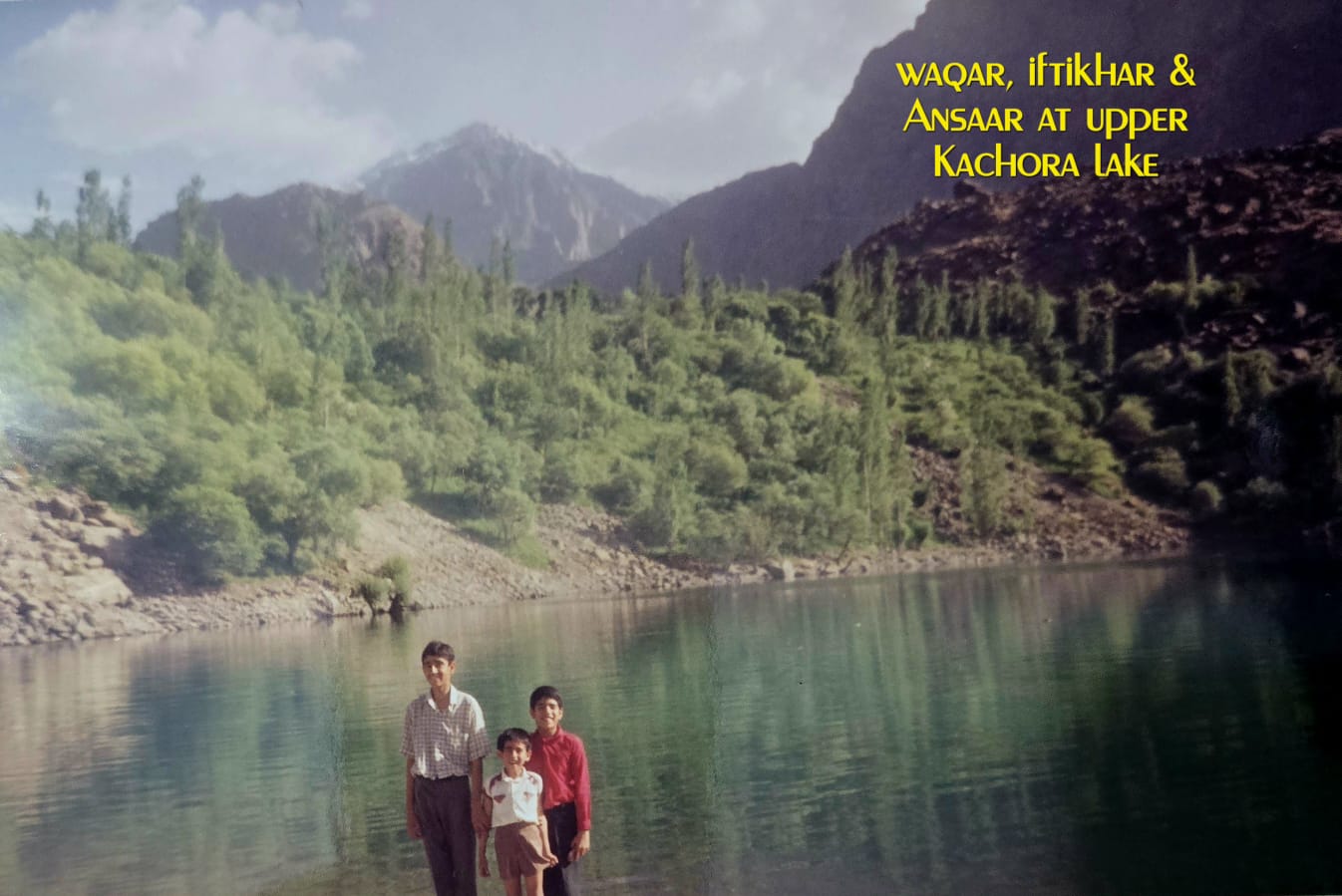
Among its most famous tourist destinations are Hunza Valley, Skardu, Khaplu, Shigar, Astore, Ghizer, Nagar, and Gojal. The mesmerizing Attabad Lake, formed after a massive landslide in 2010, has become an internationally recognized tourist attraction. Shangrila Resort, Upper Kachura Lake, Sheosar Lake, Satpara Lake, Rama Meadows, Fairy Meadows, and Deosai National Park offer visitors unforgettable experiences. Deosai, often called the “Land of Giants,” is one of the highest plateaus in the world and is home to rare wildlife, including the Himalayan brown bear.
The region also contains some of the largest glaciers outside the polar regions, including Baltoro Glacier, Biafo Glacier, and Hispar Glacier. These glaciers serve as vital water reservoirs for Pakistan and contribute significantly to the country’s agricultural system through the Indus River and its tributaries. Protecting these glaciers from the adverse effects of climate change is, therefore, a matter of national importance.
The people of Gilgit-Baltistan are among Pakistan’s greatest assets. Their culture reflects centuries of history, traditions, and interaction with various civilizations. Traditional music, folk dances, colorful festivals, and local handicrafts add richness to the cultural landscape. The people are renowned for their peaceful nature and warm hospitality toward visitors. Tourism operators frequently note that visitors leave the region with lasting memories not only because of its natural beauty but also because of the kindness and generosity of its inhabitants.
Gilgit-Baltistan also possesses enormous economic potential. Tourism, hydropower generation, mineral resources, fruit production, and cross-border trade can significantly contribute to Pakistan’s economy. The region produces high-quality apricots, cherries, apples, walnuts, and other fruits. Sustainable tourism and environmentally friendly development can create employment opportunities for local youth while preserving the region’s ecological balance.
Despite considerable progress over recent decades, several challenges remain. Many remote areas still require improved road networks, healthcare facilities, educational institutions, telecommunications services, and disaster management systems. Harsh winters and difficult terrain often isolate communities, making infrastructure development a continuous necessity. Climate change has also increased the risk of glacial lake outburst floods, landslides, and other natural disasters.
The Government of Pakistan should, therefore, adopt a comprehensive development strategy for Gilgit-Baltistan. Priority should be given to expanding and modernizing road infrastructure, improving airports, enhancing internet connectivity, and upgrading healthcare and educational facilities. Greater investment in tourism infrastructure, including eco-friendly hotels, visitor centers, and mountain rescue services, would attract more domestic and international tourists. Vocational training programs should be introduced to equip local youth with skills related to tourism, hospitality, information technology, and entrepreneurship.
Environmental protection must remain at the center of all development efforts. Strict regulations should be enforced to prevent pollution, protect forests, preserve glaciers, and maintain the natural beauty that makes Gilgit-Baltistan unique. Public-private partnerships can help develop sustainable tourism projects while ensuring that local communities benefit directly from economic growth.
In conclusion, Gilgit-Baltistan is not only a region of extraordinary natural beauty but also a symbol of patriotism, resilience, and strategic importance. Its historic liberation in 1947, its role in connecting Pakistan with China through the Karakoram Highway, its diverse and peaceful population, and its unmatched natural attractions make it one of Pakistan’s most valuable national assets. With visionary planning, responsible governance, and sustained investment, Gilgit-Baltistan can emerge as one of Asia’s premier tourist destinations and a major driver of Pakistan’s economic development. The people of Pakistan take pride in this magnificent region and must work collectively to preserve and promote its beauty for future generations.