













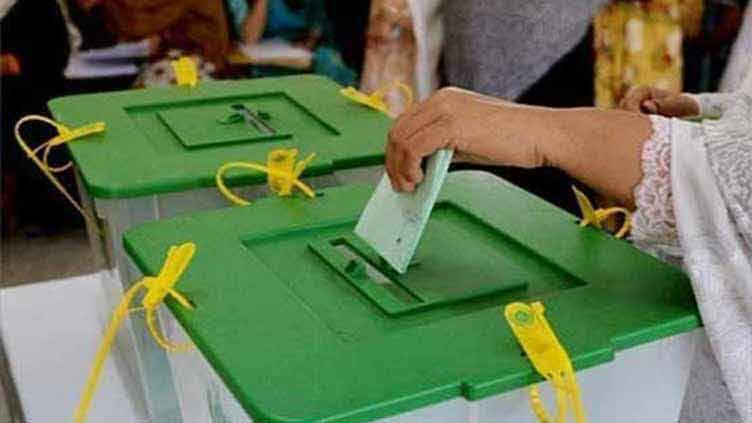
ISLAMABAD: As Gilgit-Baltistan prepares for elections, the region’s political landscape once again underscores the local population’s preference for practical development, good governance, and strong coordination with the federal government over emotional slogans and confrontational politics.
During the electioneering, Pakistan Tehreek-e-Insaf (PTI) has come under criticism for attempting to replicate its countrywide politics of protests, obstruction, and instability in Gilgit-Baltistan. The party has been accused of trying to impose the same failed formula on the region.
According to the political analysts, the people of Gilgit-Baltistan have repeatedly demonstrated through their electoral choices that they prioritize infrastructure development, energy projects, tourism promotion, education, health facilities, and employment opportunities.
They generally support political forces that enjoy influence at the federal level or maintain effective harmony with the federation, not out of mere political affiliation but due to the developmental needs of the region.
Local political tradition reflects a mature, peace-loving society that values stability, inter-sect harmony, and regional interests above political confrontation. Narratives promoting continuous protests, sit-ins, institutional conflicts, and uncertainty do not resonate with the region’s political culture.
Political observers note that the real test in the upcoming elections will be which political force can deliver tangible progress, more jobs, stronger infrastructure, tourism growth, and better integration into the national mainstream.
Reports indicate that PTI workers were stopped from entering due to lack of proper No Objection Certificates (NOCs), while other parties are conducting their election campaigns with full legal permissions. The PTI’s move of bringing workers from Khyber Pakhtunkhwa is being seen as an attempt to exert external pressure and create artificial noise in the local political process.
Political analysts describe efforts to make the elections controversial as irresponsible and against democratic norms, public mandate, and peaceful political traditions.
Gilgit-Baltistan’s voters are considered well-informed, educated, and politically mature. They have historically voted for performance, development, and employment rather than mere slogans.
The region’s political reality remains consistent: people generally prefer parties aligned with the federal government to ensure swift execution of development projects. Voters rise above sectarian divisions and make decisions based on peace, progress, representation, and regional welfare.
Meanwhile, PTI is facing a crisis of credibility, public distrust, internal divisions, and leadership chaos. Deep differences within the party have pushed public issues to the background. Its governance in Khyber Pakhtunkhwa is cited as an example of weak administration, poor performance, financial stress, and public disillusionment.
Instead of focusing on development and public welfare, the party is accused of relying on media hype, political noise, and allegations.
Public Aspiration for Stability
Gilgit-Baltistan’s people are unlikely to accept a political model that increases poverty, halts development, weakens institutions, and ignores public issues. The Pakistan Peoples Party (PPP) too could not emerge as a strong alternative due to its unsatisfactory performance and other reasons.
Political circles suggest that a coalition government is a strong possibility after the elections, requiring all parties to adopt responsible and realistic approaches.