

















By Brig Syed Karrar Hussain Retired
Growing Strategic Partnership and Its Global Impact
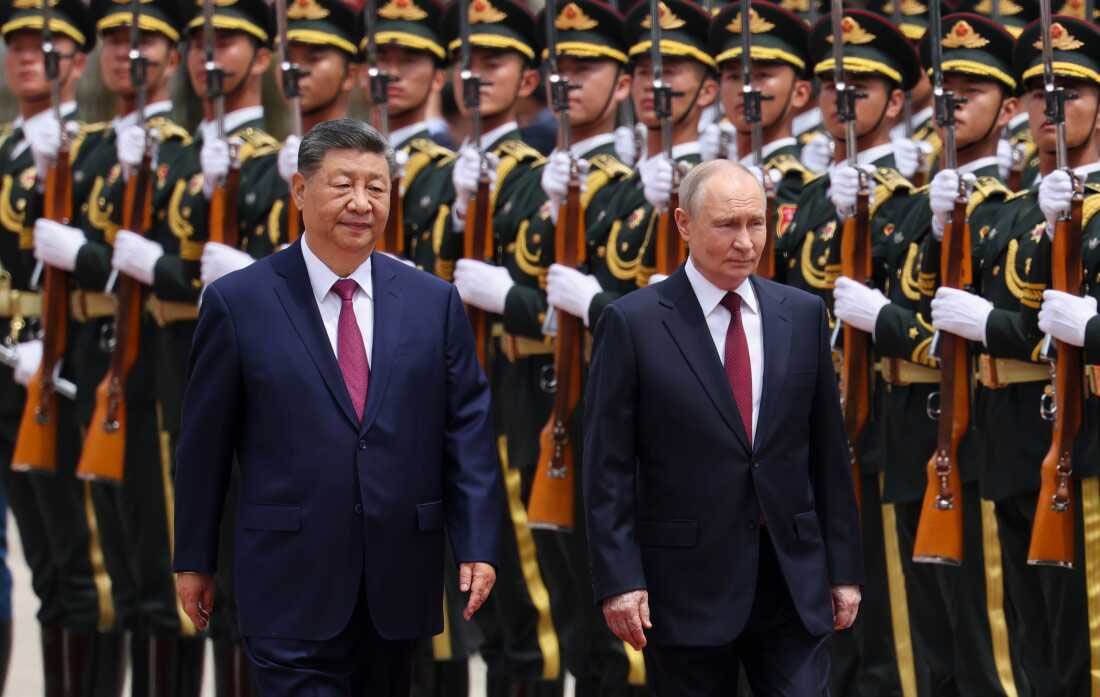
The recent visit of Vladimir Putin to China has attracted worldwide attention due to its political, economic, and strategic significance. At a time when global politics is witnessing rapid changes, increasing tensions between major powers, and emerging economic blocs, this visit is being considered one of the most important diplomatic engagements of recent years. The meetings between President Putin and Xi Jinping reflected the growing closeness between Russia and China and demonstrated their intention to strengthen cooperation in multiple sectors.
The visit was closely monitored by the international community because both Russia and China are major global powers with significant influence in world affairs. Their partnership affects not only Asia but also Europe, the Middle East, Africa, and the global economy. Analysts believe that this visit marks another important step toward the development of a multipolar world order.
Background of the Visit
The background of President Putin’s visit can be understood in the context of changing global geopolitical conditions. Relations between Russia and Western countries, especially the United States and several European nations, have remained tense over issues such as the Ukraine conflict, economic sanctions, NATO expansion, and energy politics. Due to these tensions, Russia has increasingly shifted its focus toward Asian partners, particularly China.
China, on the other hand, has also been facing strategic competition with the United States in areas such as trade, technology, the South China Sea, and regional influence. As a result, both Russia and China have found common ground in promoting stronger political, military, and economic cooperation.
Over the last decade, the two countries have gradually expanded bilateral trade, energy cooperation, military coordination, and diplomatic support in international organizations such as the United Nations, Shanghai Cooperation Organisation, and BRICS. President Putin’s latest visit was therefore seen as a continuation of this growing strategic alignment.
Another important background factor was the increasing use of local currencies in bilateral trade. Both countries have been working to reduce dependence on the US dollar in international transactions. This move is considered part of their broader effort to challenge Western economic dominance and create alternative financial systems.
Press Release and Highlights of the Visit
According to official statements released by both governments, President Putin’s visit was held in a highly cordial and constructive atmosphere. Chinese President Xi Jinping warmly welcomed President Putin and emphasized the importance of long-term friendship and mutual trust between the two nations.
The joint press release highlighted that both leaders discussed a wide range of regional and international issues. The discussions focused on strengthening political trust, expanding trade relations, increasing energy cooperation, promoting regional peace, and enhancing coordination in international affairs.
The leaders reaffirmed their commitment to safeguarding national sovereignty, territorial integrity, and mutual respect. They also stressed the importance of non-interference in internal affairs and opposed what they described as unilateral sanctions and external political pressure.
During the visit, President Putin praised China’s balanced approach toward international conflicts and appreciated Beijing’s role in promoting dialogue and stability. President Xi Jinping, in return, expressed support for stronger strategic cooperation with Russia and called the relationship between the two countries a stabilizing force in global politics.
The press release further emphasized cooperation in advanced technology, infrastructure development, transport connectivity, agriculture, education, and cultural exchange. Both sides agreed to continue regular high-level meetings and strengthen people-to-people contacts.
Agreed Points Between Russia and China
Several important agreements and understandings emerged from President Putin’s visit. These agreed points reflected the deepening partnership between the two countries.
1. Expansion of Bilateral Trade
Russia and China agreed to further increase bilateral trade volume. Trade between the two countries has already reached record levels in recent years, especially in energy exports, machinery, agriculture, and industrial products. Both sides expressed confidence that economic cooperation would continue to grow steadily.
2. Energy Cooperation
Energy remained one of the central themes of the visit. Russia agreed to continue supplying oil and natural gas to China through existing and future pipelines. Discussions also focused on expanding long-term energy contracts and enhancing cooperation in peaceful nuclear energy projects.
3. Use of Local Currencies
Both countries agreed to continue promoting the use of the Russian ruble and Chinese yuan in bilateral trade. This step is viewed as an effort to reduce dependence on Western-controlled financial systems and strengthen economic sovereignty.
4. Strategic and Defense Cooperation
Russia and China reiterated their commitment to defense and security cooperation. The two countries agreed to continue joint military exercises, intelligence sharing, and strategic consultations on regional security matters.
5. Support in International Forums
The two leaders agreed to enhance coordination in international organizations such as the United Nations, BRICS, and the Shanghai Cooperation Organisation. They emphasized the importance of a fairer international order based on equality among nations.
6. Technological and Scientific Cooperation
Agreements were also reached on cooperation in artificial intelligence, space research, telecommunications, transportation, and scientific innovation. Both countries expressed interest in reducing dependence on Western technology.
7. Regional Stability
Russia and China discussed regional conflicts and stressed the importance of peaceful dialogue and diplomatic solutions. They emphasized stability in Asia and opposed external interference in regional affairs.
Positive Effects on the World
President Putin’s visit to China may produce several positive effects on global politics and the international economy.
Promotion of Multipolarity
One of the major impacts of the visit is the strengthening of a multipolar world order. Many countries believe that global affairs should not be dominated by a single power. The growing cooperation between Russia and China may encourage a more balanced international system where multiple powers participate in decision-making.
Economic Opportunities
Enhanced trade and economic cooperation between Russia and China can contribute to global economic stability. Large-scale infrastructure projects, energy cooperation, and investment partnerships may create new economic opportunities for developing countries.
Alternative Financial Systems
The increasing use of local currencies in trade may encourage reforms in the global financial system. This could reduce pressure on smaller economies that suffer from currency instability and dependence on the US dollar.
Peaceful Diplomatic Solutions
Both Russia and China emphasized dialogue and diplomacy in resolving international conflicts. Their support for political negotiations may contribute to reducing tensions in certain regions.
Strengthening International Organizations
The visit highlighted the growing role of organizations such as BRICS and the Shanghai Cooperation Organisation. These platforms may provide developing countries with greater representation and stronger economic cooperation opportunities.
Positive Effects on Asia
The visit also carries important implications for Asia.
Regional Economic Growth
Closer Russia-China cooperation can boost economic activity in Asia through trade corridors, energy projects, and infrastructure investments. Countries connected to regional transport and energy networks may benefit significantly.
Energy Security
Asian countries may gain from improved energy cooperation between Russia and China. Stable energy supplies contribute to industrial growth, economic development, and regional stability.
Greater Regional Connectivity
Joint infrastructure and transport projects may improve connectivity across Asia. Better trade routes can strengthen regional integration and support economic development.
Strategic Stability
The strong relationship between Russia and China may contribute to strategic balance in Asia. Their coordination can help discourage conflicts and encourage diplomatic engagement in regional disputes.
Opportunities for Developing Countries
Developing Asian nations may benefit from investment opportunities, trade expansion, and participation in regional organizations supported by Russia and China.
Conclusion
President Vladimir Putin’s latest visit to China was not merely a routine diplomatic engagement; it represented a significant moment in contemporary international relations. The visit demonstrated the growing strategic partnership between Russia and China in political, economic, defense, and technological fields.
The agreements reached during the visit indicate that both countries are determined to deepen cooperation and promote a multipolar international system. Their partnership has the potential to influence global trade, regional stability, energy security, and international diplomacy.
For Asia, the visit may open new opportunities for economic growth, regional connectivity, and strategic balance. For the wider world, it signals the continuing transformation of global politics where emerging powers are playing an increasingly important role in shaping the future international order.