





















By Brig Syed Karrar Hussain Retired
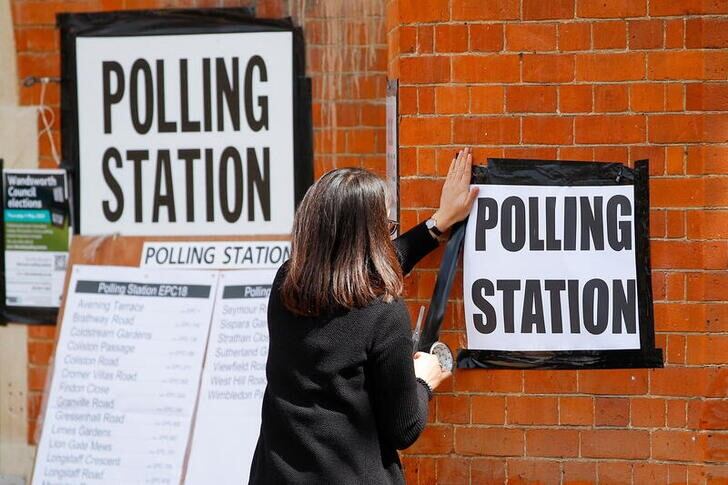
The recent local body elections in England have attracted considerable international attention because they reflected changing political trends, growing public dissatisfaction with traditional political parties, and the rapid rise of the Reform UK party. The elections highlighted concerns relating to immigration, economic challenges, national identity, inflation, public services, and public confidence in governance.
For many years, British politics remained dominated by the Conservative Party and the Labour Party. However, the latest local elections demonstrated that a significant portion of voters is now searching for alternative political voices. Among these alternatives, Reform UK emerged as one of the most successful and rapidly growing political movements.
Success of Reform UK in Local Elections
The recent local elections brought major success for Reform UK in several councils and regions across England. The party managed to gain seats in areas where traditional parties had historically remained strong. Political analysts viewed these results as a sign of public frustration over:
rising inflation,
immigration pressures,
cost of living,
unemployment concerns,
pressure on healthcare,
housing shortages,
and declining trust in mainstream politics.
The leadership of Nigel Farage played a major role in energizing supporters and attracting media attention. Reform UK successfully projected itself as a party speaking for ordinary British citizens who felt ignored by established political elites.
Although local elections do not directly decide the national government, they are often considered indicators of future parliamentary trends. Therefore, the performance of Reform UK created concern among traditional political parties and encouraged debate regarding the future direction of British politics.
Policy of Reform UK Party
The increasing popularity of Reform UK is closely linked with its strong and direct policies on key national issues.
1. Strict Immigration Control
The party advocates tighter immigration policies and stronger border control. Reform UK argues that uncontrolled immigration places pressure on:
healthcare,
schools,
housing,
employment,
and social services.
The party also supports reducing both legal and illegal immigration numbers.
2. National Identity and Sovereignty
Reform UK emphasizes British culture, national identity, and protection of traditional values. The party believes excessive globalization and immigration have weakened social cohesion in some communities.
3. Economic Reforms
The party promises:
tax reductions,
support for small businesses,
reduction in government waste,
and economic reforms aimed at helping working-class families.
4. Law and Order
Reform UK strongly advocates tougher law enforcement and stricter action against crime, illegal migration, and extremist activities.
5. Criticism of Traditional Politics
Another reason behind the party’s popularity is its criticism of established political parties. Many voters believe that the Conservatives and Labour have failed to adequately address public concerns regarding inflation, immigration, and living standards.
Reasons for Increasing Popularity
Several factors contributed to the growing popularity of Reform UK.
Public Frustration
Many British citizens feel economic pressures due to:
rising food prices,
expensive housing,
increased utility bills,
and pressure on public services.
Immigration Concerns
Immigration remains one of the most sensitive issues in British politics. Some voters believe that high immigration levels have increased competition for jobs and housing.
Social Media Influence
Reform UK effectively used social media and television debates to communicate directly with voters.
Leadership Style
Nigel Farage’s direct speaking style attracted many supporters who preferred straightforward political messaging.
Declining Trust in Traditional Parties
Public disappointment with mainstream politics created political space for alternative parties like Reform UK.
Immigrant Population in the United Kingdom
The United Kingdom remains one of the world’s major destinations for immigrants due to:
education opportunities,
employment,
healthcare,
and business prospects.
According to recent estimates, immigrants in the UK come from many countries, with some of the largest foreign-born populations originating from:
1. India
2. Poland
3. Pakistan
4. Romania
5. Bangladesh
The Pakistani-origin community is among the largest and most established immigrant communities in Britain. Pakistanis have contributed significantly in:
healthcare,
transport,
business,
education,
politics,
and public services.
Large Pakistani communities live in:
London,
Birmingham,
Bradford,
Manchester,
and Leeds.
Future Risks and Challenges for Immigrants
The rise of anti-immigration political sentiment may create several future challenges for immigrants, particularly Pakistanis and other South Asian communities.
1. Stricter Immigration Policies
Future governments may:
tighten visa rules,
reduce family migration,
increase financial requirements,
and limit asylum opportunities.
2. Social Polarization
Strong anti-immigration political narratives may increase social tensions and reduce trust between communities.
3. Employment Difficulties
Economic slowdown and rising competition may create additional employment challenges for immigrants.
4. Increase in Hate Crimes
Periods of political polarization sometimes increase incidents of racism, discrimination, and hate speech against immigrants and minorities.
5. Pressure on International Students
International students, including Pakistanis, may face stricter post-study work conditions and higher visa restrictions.
6. Identity and Integration Challenges
Second and third generation immigrant families may face increasing pressure regarding cultural integration and identity debates.
Positive Contributions of Immigrants
Despite political debates, immigrants continue to make valuable contributions to British society.
Pakistani doctors, engineers, teachers, businessmen, transport workers, shopkeepers, and professionals play important roles in the British economy. Thousands of Pakistani-origin citizens also serve in:
local councils,
law enforcement,
healthcare institutions,
and Parliament.
Immigrants also contribute through:
taxes,
entrepreneurship,
labor force participation,
and cultural diversity.
Recommendations for the British Government
1. Balanced Immigration Policy
The British government should develop a fair immigration system that protects national interests while respecting human dignity.
2. Better Integration Programs
Authorities should promote language education, civic awareness, and community integration programs.
3. Strong Action Against Extremism and Racism
The government must firmly address both extremism and anti-immigrant hate crimes.
4. Economic Reforms
Improving employment, housing, healthcare, and inflation control would reduce public frustration and social tensions.
5. Community Dialogue
Religious and community leaders should be encouraged to promote harmony and mutual understanding.
Recommendations for People Planning to Settle in England
1. Follow Legal Immigration Channels
People planning to migrate should always use lawful and documented immigration procedures.
2. Acquire Professional Skills
Modern Britain increasingly demands skilled workers in:
healthcare,
IT,
engineering,
finance,
and technical professions.
3. Learn English Language and British Laws
Understanding local laws, social norms, and language greatly improves integration and career opportunities.
4. Respect Local Culture
Immigrants should maintain their identity while also respecting British culture and laws.
5. Financial Planning
Families planning migration should carefully evaluate:
employment opportunities,
housing costs,
taxes,
and educational expenses.
Conclusion
The recent local elections in England reflected changing political realities and the growing influence of Reform UK. Rising concerns regarding immigration, inflation, public services, and national identity have significantly shaped voter behavior. While Reform UK gained popularity by addressing these concerns directly, the future political direction of Britain will depend upon how effectively the government balances economic stability, social harmony, and immigration management.
For immigrants, especially Pakistanis, the changing political environment presents both opportunities and challenges. Careful planning, legal migration, professional education, and positive community engagement will remain essential for long-term success and social harmony in the United Kingdom.