
















By Brig Syed Karrar Hussain Retired
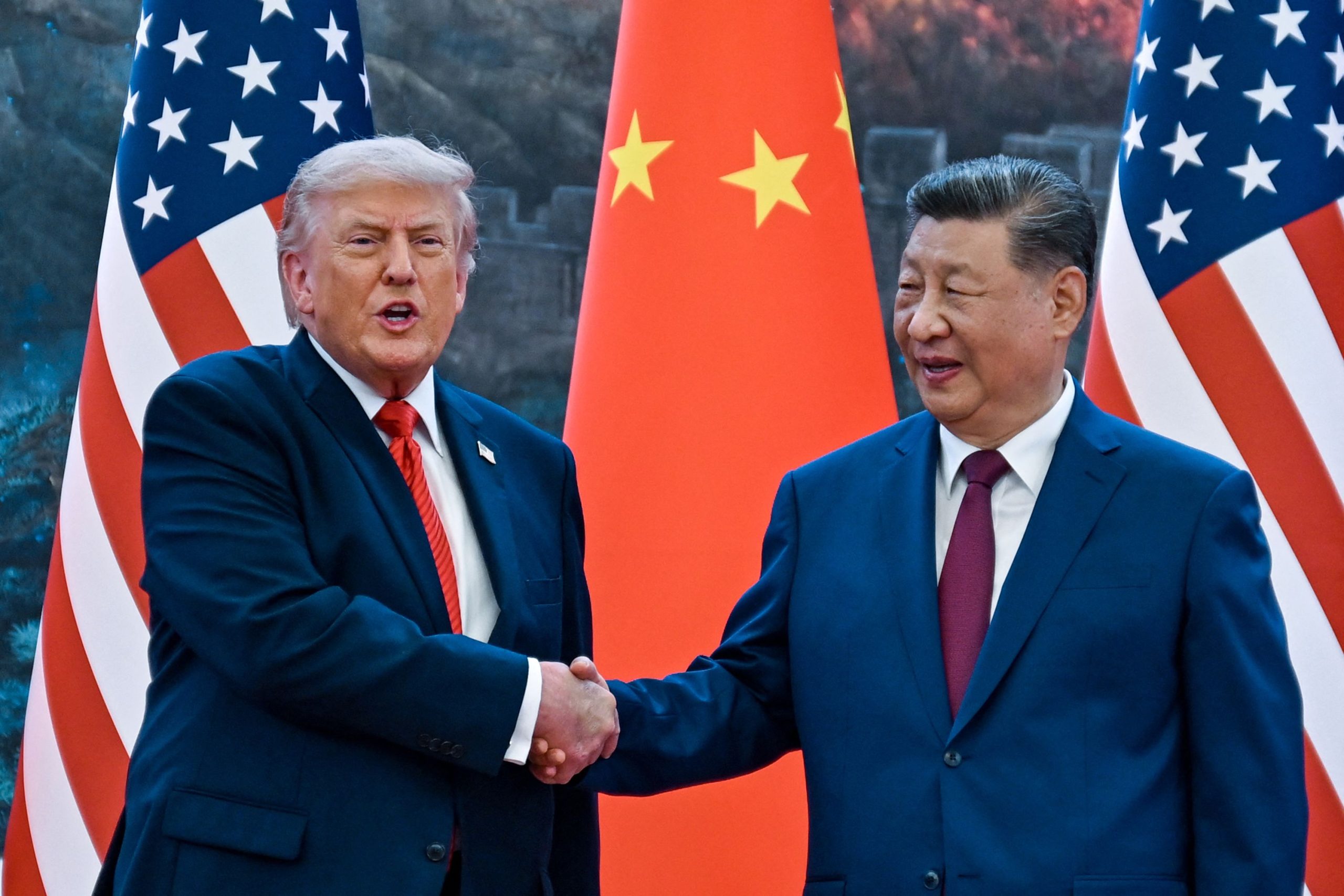
The recent visit of Donald Trump to China and his meetings with Xi Jinping attracted worldwide attention because the visit took place during a highly sensitive international environment marked by tensions between the United States and Iran, instability in the Middle East, economic uncertainty, and growing strategic competition between Washington and Beijing. The entire world closely observed the summit, hoping it would reduce tensions and contribute toward regional and global stability.
The visit was important not only for America and China but also for countries directly or indirectly affected by the Iran–America confrontation, rising oil prices, trade disruptions, and geopolitical polarization. Although expectations were high, the outcomes remained mixed, with some diplomatic gains and several disappointments.
Background of the Visit
Relations between the United States and China have remained complex during recent years due to:
trade disputes,
technological rivalry,
Taiwan issue,
military competition in the Indo-Pacific,
and differences regarding Iran and the Middle East.
President Trump’s visit was therefore viewed as an attempt to stabilize relations between the world’s two largest economies while simultaneously seeking Chinese cooperation on Iran-related tensions and global economic concerns.
At the same time, the ongoing tensions between America and Iran, especially concerning the Strait of Hormuz, energy supplies, sanctions, and military threats, created additional urgency for dialogue between Washington and Beijing.
Expectations of the United States
The United States entered the summit with several important expectations.
1. Chinese Support Regarding Iran
Washington expected Beijing to use its influence over Iran to reduce tensions in the Gulf region and help maintain stability in the Strait of Hormuz, through which a large portion of the world’s oil passes.
2. Economic and Trade Relief
The Trump administration also hoped for:
improved trade access,
reduction in economic tensions,
increased Chinese investment,
and better cooperation on tariffs and technology issues.
3. Strategic Stability
Another expectation was to avoid direct confrontation between the two superpowers and establish a more predictable diplomatic relationship.
4. International Image
President Trump also intended to project strong diplomatic leadership before the international community by showing that America remained capable of influencing both China and the Middle East situation simultaneously.
Expectations of China
China also had its own strategic objectives during the visit.
1. Regional Stability
China wanted stability because:
it imports large amounts of oil from the Middle East,
instability affects its economy,
and disruptions in the Strait of Hormuz can harm Chinese industries.
2. Protection of Economic Interests
China sought protection from aggressive tariffs and trade restrictions imposed by the United States during previous years.
3. Image as a Global Peacemaker
Beijing attempted to present itself as a responsible global power advocating diplomacy instead of military escalation.
4. Strategic Balance
China also wished to maintain balanced relations with:
Iran,
Russia,
Gulf countries,
and the United States simultaneously.
Expectations of Iran
Iran carefully monitored the visit because China remains one of Tehran’s major economic and diplomatic partners.
Iran expected:
Chinese diplomatic support against excessive American pressure,
resistance to further sanctions,
continued economic cooperation,
and protection of Iranian interests regarding energy exports.
Tehran also hoped China would not fully align with American demands during discussions on the Iran issue.
Expectations of Other Countries
Many other countries affected by the Iran–America tensions also watched the summit with concern.
Gulf Countries
Countries in the Gulf desired:
regional peace,
uninterrupted oil exports,
and prevention of military escalation.
European Countries
European nations hoped for:
diplomatic settlement,
energy market stability,
and avoidance of another prolonged conflict in the Middle East.
Developing Countries
Many developing countries feared:
rising oil prices,
inflation,
and global economic slowdown resulting from instability in the Gulf region.
Achievements of the Visit
Although no dramatic breakthrough occurred, the visit produced several positive outcomes.
1. Diplomatic Communication Continued
The most important achievement was that direct communication between Washington and Beijing remained active despite serious disagreements.
2. Reduction of Immediate Tensions
The summit helped reduce fears of immediate escalation between the two powers.
3. Economic Dialogue Improved
Both countries discussed trade, tariffs, and investment, which may help future negotiations.
4. Global Confidence
The meeting reassured global markets that dialogue was still possible between America and China during a difficult international situation.
5. Strategic Symbolism
The cordial diplomatic atmosphere projected an image of maturity and stability before the world community.
Major Disappointments
Despite diplomatic positivity, several expectations remained unfulfilled.
1. No Major Breakthrough on Iran
The United States failed to obtain strong Chinese commitment regarding pressure on Iran or reopening broader negotiations.
2. Trade Disputes Remained
Fundamental differences on:
tariffs,
technology controls,
semiconductors,
and economic competition
were not resolved.
3. Taiwan Issue Continued
Tensions concerning Taiwan remained a sensitive and unresolved matter between both countries.
4. Limited Concrete Agreements
The summit produced symbolism and dialogue but lacked major binding agreements or long-term strategic settlements.
5. Continued Global Uncertainty
International markets and countries affected by the Iran conflict still remained uncertain regarding future stability in the Gulf region.
Broader International Implications
The visit highlighted that global politics is increasingly interconnected. A conflict in the Middle East directly influences:
American diplomacy,
Chinese economic interests,
oil prices,
shipping routes,
inflation,
and international trade.
It also demonstrated that neither America nor China can independently stabilize the international system without cooperation.
Way Forward
The future of global peace and stability depends upon balanced diplomacy and practical cooperation among major powers.
1. Continued Dialogue
America and China should continue regular diplomatic engagement to prevent misunderstandings and avoid unnecessary escalation.
2. Peaceful Resolution of Iran Issue
The Iran dispute should be resolved through negotiations instead of military confrontation because war would damage the entire global economy.
3. Economic Cooperation
Both powers should focus on:
trade stability,
supply chain security,
energy cooperation,
and technological coexistence.
4. Respect for Sovereignty
All countries must respect each other’s sovereignty and avoid aggressive policies that increase global polarization.
5. Role of International Organizations
The United Nations and other international forums should play stronger roles in conflict resolution and peace-building.
Recommendations
1. America should prioritize diplomacy over military pressure regarding Iran.
2. China should use its influence responsibly to promote regional peace.
3. Iran should remain open to constructive negotiations to reduce sanctions and regional tensions.
4. Gulf countries should support mediation efforts and confidence-building measures.
5. Major powers should avoid weaponizing trade and technology disputes.
6. International media should promote balanced reporting to reduce misinformation and propaganda.
7. Developing countries should diversify energy sources to reduce vulnerability during international crises.
Conclusion
President Donald Trump’s visit to China was an important diplomatic event conducted during a highly sensitive global environment. Although the summit did not produce historic agreements, it succeeded in maintaining communication between two major world powers and reducing immediate tensions. However, serious differences regarding Iran, trade, Taiwan, and global strategic competition continue to challenge international peace.
The visit demonstrated that dialogue remains essential in modern geopolitics. The world today requires cooperation, patience, and responsible leadership because military confrontation and economic hostility can negatively affect not only major powers but also millions of ordinary people across the globe. Sustainable peace, economic stability, and mutual respect remain the only practical paths forward for the international community.