
















By Brig Syed Karrar Hussain (Retired)
7th to 10th, 2025, will be remembered as one of the most sensitive and defining periods in the recent history of South Asia. The pre planned Indian aggression against Pakistan by India pushed the region dangerously close to a large-scale conflict, raising serious concerns among the international community. What began after the Pahalgam incident soon evolved into a broader political, diplomatic, and military confrontation. The situation exposed not only the fragile security environment of the region but also the importance of wisdom, restraint, and responsible leadership between two nuclear powers.
Pakistan observed this challenging situation with patience, maturity, and national unity. Despite grave provocations, Pakistan demonstrated restraint and professionalism while defending its sovereignty and protecting its people. The events of May 2025 became a symbol of national determination, military preparedness, responsible journalism, and the unshakable spirit of the Pakistani nation.
Immediately after the Pahalgam incident, Indian political circles and sections of the Indian media began accusing Pakistan without presenting credible evidence or waiting for impartial investigations. A coordinated campaign was launched to isolate Pakistan diplomatically and portray it negatively before the world. Instead of encouraging facts, dialogue, and transparency, the atmosphere was rapidly transformed into one of hostility and confrontation.
Pakistan, however, responded responsibly. Pakistani leadership demanded evidence and offered impartial international investigations to uncover the truth behind the incident. This offer reflected Pakistan’s commitment to peace, justice, and regional stability. Unfortunately, instead of pursuing diplomacy and investigation, India adopted an aggressive posture that increased tensions throughout South Asia.
The situation escalated further when attacks were carried out on civilian areas of Bahawalpur, Muridke, Azad Kashmir, and other locations. Reports of damage to mosques and civilian infrastructure deeply disturbed the people of Pakistan and drew concern from observers across the world. Innocent civilians, including women, children, and worshippers, suffered during these attacks. Such actions created fears of wider conflict and highlighted the dangers of military escalation between neighboring countries.
The Pakistani nation responded with remarkable unity and discipline. Rather than falling into panic or chaos, the people of Pakistan stood firmly beside their armed forces. Across the country, prayers were offered for peace, solidarity rallies were held, and citizens from every political, ethnic, and religious background united for the defense of the homeland. The crisis once again proved that whenever Pakistan faces external challenges, the nation rises above internal differences and stands together like a solid wall.
Pakistan’s political and military leadership made it clear that the country desired peace but would never compromise on sovereignty, territorial integrity, or the safety of its citizens. The armed forces of Pakistan demonstrated professionalism, preparedness, and coordination at every level. The Pakistan Army maintained strong defensive readiness along the borders, the Pakistan Navy ensured maritime security, and the Pakistan Air Force displayed extraordinary operational capability.
The response of the Pakistan Air Force became one of the most discussed aspects of the confrontation. Through effective planning, modern tactics, and advanced operational skills, Pakistan successfully countered hostile actions in the air. Defense analysts around the world paid close attention to the professionalism displayed by Pakistani pilots and air defense systems. The destruction of several IThe Battle for Truth — May 2025
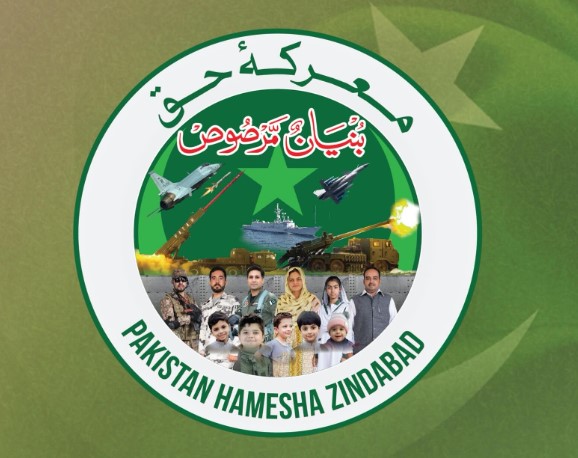
Pakistan’s National Unity, Responsible Response, and Historic Success
By Brigadier Syed Karrar Hussain (Retired)
May 2025 will be remembered as one of the most sensitive and defining periods in the recent history of South Asia. The military tension between Pakistan and India pushed the region dangerously close to a large-scale conflict, raising serious concerns among the international community. What began after the Pahalgam incident soon evolved into a broader political, diplomatic, and military confrontation. The situation exposed not only the fragile security environment of the region but also the importance of wisdom, restraint, and responsible leadership between two nuclear powers.
Pakistan observed this challenging situation with patience, maturity, and national unity. Despite grave provocations, Pakistan demonstrated restraint and professionalism while defending its sovereignty and protecting its people. The events of May 2025 became a symbol of national determination, military preparedness, responsible journalism, and the unshakable spirit of the Pakistani nation.
Immediately after the Pahalgam incident, Indian political circles and sections of the Indian media began accusing Pakistan without presenting credible evidence or waiting for impartial investigations. A coordinated campaign was launched to isolate Pakistan diplomatically and portray it negatively before the world. Instead of encouraging facts, dialogue, and transparency, the atmosphere was rapidly transformed into one of hostility and confrontation.
Pakistan, however, responded responsibly. Pakistani leadership demanded evidence and offered impartial international investigations to uncover the truth behind the incident. This offer reflected Pakistan’s commitment to peace, justice, and regional stability. Unfortunately, instead of pursuing diplomacy and investigation, India adopted an aggressive posture that increased tensions throughout South Asia.
The situation escalated further when attacks were carried out on civilian areas, including Bahawalpur, Muridke, Azad Kashmir, and other locations. Reports of damage to mosques and civilian infrastructure deeply disturbed the people of Pakistan and drew concern from observers across the world. Innocent civilians, including women, children, and worshippers, suffered during these attacks. Such actions created fears of wider conflict and highlighted the dangers of military escalation between neighboring countries.
The Pakistani nation responded with remarkable unity and discipline. Rather than falling into panic or chaos, the people of Pakistan stood firmly beside their armed forces. Across the country, prayers were offered for peace, solidarity rallies were held, and citizens from every political, ethnic, and religious background united for the defense of the homeland. The crisis once again proved that whenever Pakistan faces external challenges, the nation rises above internal differences and stands together like a solid wall.
Pakistan’s political and military leadership made it clear that the country desired peace but would never compromise on sovereignty, territorial integrity, or the safety of its citizens. The armed forces of Pakistan demonstrated professionalism, preparedness, and coordination at every level. The Pakistan Army maintained strong defensive readiness along the borders, the Pakistan Navy ensured maritime security, and the Pakistan Air Force displayed extraordinary operational capability.
The response of the Pakistan Air Force became one of the most discussed aspects of the confrontation. Through effective planning, modern tactics, and advanced operational skills, Pakistan successfully countered hostile actions in the air. Defense analysts around the world paid close attention to the professionalism displayed by Pakistani pilots and air defense systems. The destruction of several Indian fighter aircraft became a major moment in the conflict and reinforced Pakistan’s reputation as a capable and prepared military power.
This success was not merely a battlefield achievement; it reflected years of training, discipline, technological advancement, and patriotic commitment within Pakistan’s defense institutions. The coordination among all branches of the armed forces demonstrated that Pakistan remains fully prepared to defend its national interests against any aggression.
Another important dimension of this conflict was the role of Pakistani media. During moments of crisis, media organizations carry immense responsibility because public emotions are high, and misinformation can easily create panic. Pakistani television channels, journalists, and defense analysts largely acted with responsibility and restraint. Rather than promoting hatred or emotional hysteria, many media professionals focused on verified information, national unity, and responsible analysis.
In contrast, several sections of Indian media appeared to adopt an extremely aggressive tone, fueling war hysteria and spreading unverified claims. Such behavior not only damages professional journalism but also increases hostility between nations. Media has the power either to calm tensions or inflame them. In sensitive situations involving nuclear states, irresponsible reporting can have extremely dangerous consequences.
Pakistani journalists and analysts also played an effective role internationally by presenting Pakistan’s position before global audiences. Through interviews, discussions, and international media appearances, they explained Pakistan’s call for investigation, dialogue, and regional peace. This helped counter propaganda and highlighted Pakistan’s diplomatic maturity.
The events of May 2025 also demonstrated Pakistan’s importance at the diplomatic level. Throughout the crisis, Pakistan consistently emphasized dialogue, evidence-based discussion, and peaceful conflict resolution. The international community observed that Pakistan repeatedly called for restraint while continuing to defend itself against aggression. Many global observers recognized that sustainable peace in South Asia can only be achieved through diplomacy, mutual respect, and serious dialogue between both countries.
For Pakistan, the “Battle for Truth” became more than a military success. It emerged as a symbol of national dignity, confidence, and unity. The crisis proved that despite political and economic challenges, Pakistan remains resilient and capable of defending itself. It also sent a clear message that Pakistan’s defense capability, including its strategic strength, can not be underestimated.
The conflict also offers several important lessons for India, particularly for its media, policymakers, and public opinion leaders. War hysteria, misinformation, and hatred can not bring stability or prosperity to the region. False accusations and emotional propaganda only deepen mistrust and increase the risk of conflict. Responsible leadership requires patience, wisdom, and the courage to pursue truth rather than political popularity.
The people of India, known for their intelligence, democratic traditions, and cultural depth, have an important role to play in shaping the future of South Asia. They should encourage their leadership to move away from confrontation and adopt policies that promote peace, dialogue, and regional cooperation. The billions spent on hostility and military escalation could instead be invested in education, healthcare, poverty reduction, technological advancement, and the welfare of ordinary citizens.
The future of South Asia depends not on war but on coexistence. Pakistan and India are both nuclear powers, and any large-scale conflict between them could have devastating consequences not only for the two nations but for the entire region and beyond. Future generations deserve opportunities, stability, and development rather than fear, hatred, and uncertainty.
The people of India can play a historic role by supporting voices of peace, discouraging extremist narratives, and demanding balanced journalism from their media. True patriotism is not measured by hatred toward neighbors but by efforts to secure a peaceful and prosperous future for one’s people. Lasting peace in South Asia will only become possible when dialogue replaces accusations and wisdom prevails over aggression.
Pakistan has repeatedly demonstrated that it seeks peace with dignity. However, peace should never be mistaken for weakness. The nation remains fully prepared to defend its sovereignty and territorial integrity whenever required. Pakistan’s armed forces, supported by a patriotic and united population, stand ready to respond decisively to any threat against the country.
The “Battle for Truth” of May 2025 will therefore remain an important chapter in Pakistan’s national history. It highlighted the strength of national unity, the professionalism of the armed forces, the responsibility of patriotic media, and the resilience of the Pakistani people. It reminded the world that Pakistan is a peace-loving nation, but one that will never compromise on its freedom, honor, or security.
Pakistan has been blessed with courageous armed forces, talented youth, strategic capabilities, and patriotic citizens. If the same spirit of unity, discipline, and determination continues, Pakistan can emerge not only as a strong regional power but also as a respected and progressive nation on the global stage.
The events of May 2025 are, therefore, not merely memories of conflict. They are a reminder that unity, wisdom, preparedness, and national resolve remain Pakistan’s greatest strengths.ndian fighter aircraft became a major moment in the conflict and reinforced Pakistan’s reputation as a capable and prepared military power.
This success was not merely a battlefield achievement; it reflected years of training, discipline, technological advancement, and patriotic commitment within Pakistan’s defense institutions. The coordination among all branches of the armed forces demonstrated that Pakistan remains fully prepared to defend its national interests against any aggression.
Another important dimension of this conflict was the role of Pakistani media. During moments of crisis, media organizations carry immense responsibility because public emotions are high, and misinformation can easily create panic. Pakistani television channels, journalists, and defense analysts largely acted with responsibility and restraint. Rather than promoting hatred or emotional hysteria, many media professionals focused on verified information, national unity, and responsible analysis.
In contrast, several sections of Indian media appeared to adopt an extremely aggressive tone, fueling war hysteria and spreading unverified claims. Such behavior not only damages professional journalism but also increases hostility between nations. Media has the power either to calm tensions or inflame them. In sensitive situations involving nuclear states, irresponsible reporting can have extremely dangerous consequences.
Pakistani journalists and analysts also played an effective role internationally by presenting Pakistan’s position before global audiences. Through interviews, discussions, and international media appearances, they explained Pakistan’s call for investigation, dialogue, and regional peace. This helped counter propaganda and highlighted Pakistan’s diplomatic maturity.
The events of May 2025 also demonstrated Pakistan’s importance at the diplomatic level. Throughout the crisis, Pakistan consistently emphasized dialogue, evidence-based discussion, and peaceful conflict resolution. The international community observed that Pakistan repeatedly called for restraint while continuing to defend itself against aggression. Many global observers recognized that sustainable peace in South Asia can only be achieved through diplomacy, mutual respect, and serious dialogue between both countries.
For Pakistan, the “Battle for Truth” became more than a military success. It emerged as a symbol of national dignity, confidence, and unity. The crisis proved that despite political and economic challenges, Pakistan remains resilient and capable of defending itself. It also sent a clear message that Pakistan’s defense capability, including its strategic strength, can not be underestimated.
The conflict also offers several important lessons for India, particularly for its media, policymakers, and public opinion leaders. War hysteria, misinformation, and hatred can not bring stability or prosperity to the region. False accusations and emotional propaganda only deepen mistrust and increase the risk of conflict. Responsible leadership requires patience, wisdom, and the courage to pursue truth rather than political popularity.
The people of India, known for their intelligence, democratic traditions, and cultural depth, have an important role to play in shaping the future of South Asia. They should encourage their leadership to move away from confrontation and adopt policies that promote peace, dialogue, and regional cooperation. The billions spent on hostility and military escalation could instead be invested in education, healthcare, poverty reduction, technological advancement, and the welfare of ordinary citizens.
The future of South Asia depends not on war but on coexistence. Pakistan and India are both nuclear powers, and any large-scale conflict between them could have devastating consequences not only for the two nations but for the entire region and beyond. Future generations deserve opportunities, stability, and development rather than fear, hatred, and uncertainty.
The people of India can play a historic role by supporting voices of peace, discouraging extremist narratives, and demanding balanced journalism from their media. True patriotism is not measured by hatred toward neighbors but by efforts to secure a peaceful and prosperous future for one’s people. Lasting peace in South Asia will only become possible when dialogue replaces accusations and wisdom prevails over aggression.
Pakistan has repeatedly demonstrated that it seeks peace with dignity. However, peace should never be mistaken for weakness. The nation remains fully prepared to defend its sovereignty and territorial integrity whenever required. Pakistan’s armed forces, supported by a patriotic and united population, stand ready to respond decisively to any threat against the country.
The “Battle for Truth” of May 2025 will therefore remain an important chapter in Pakistan’s national history. It highlighted the strength of national unity, the professionalism of the armed forces, the responsibility of patriotic media, and the resilience of the Pakistani people. It reminded the world that Pakistan is a peace-loving nation, but one that will never compromise on its freedom, honor, or security.
Pakistan has been blessed with courageous armed forces, talented youth, strategic capabilities, and patriotic citizens. If the same spirit of unity, discipline, and determination continues, Pakistan can emerge not only as a strong regional power but also as a respected and progressive nation on the global stage.
The events of May 2025 are, therefore, not merely memories of conflict. They are a reminder that unity, wisdom, preparedness, and national resolve remain Pakistan’s greatest strengths.