












By: Syeda Sonia Munawar
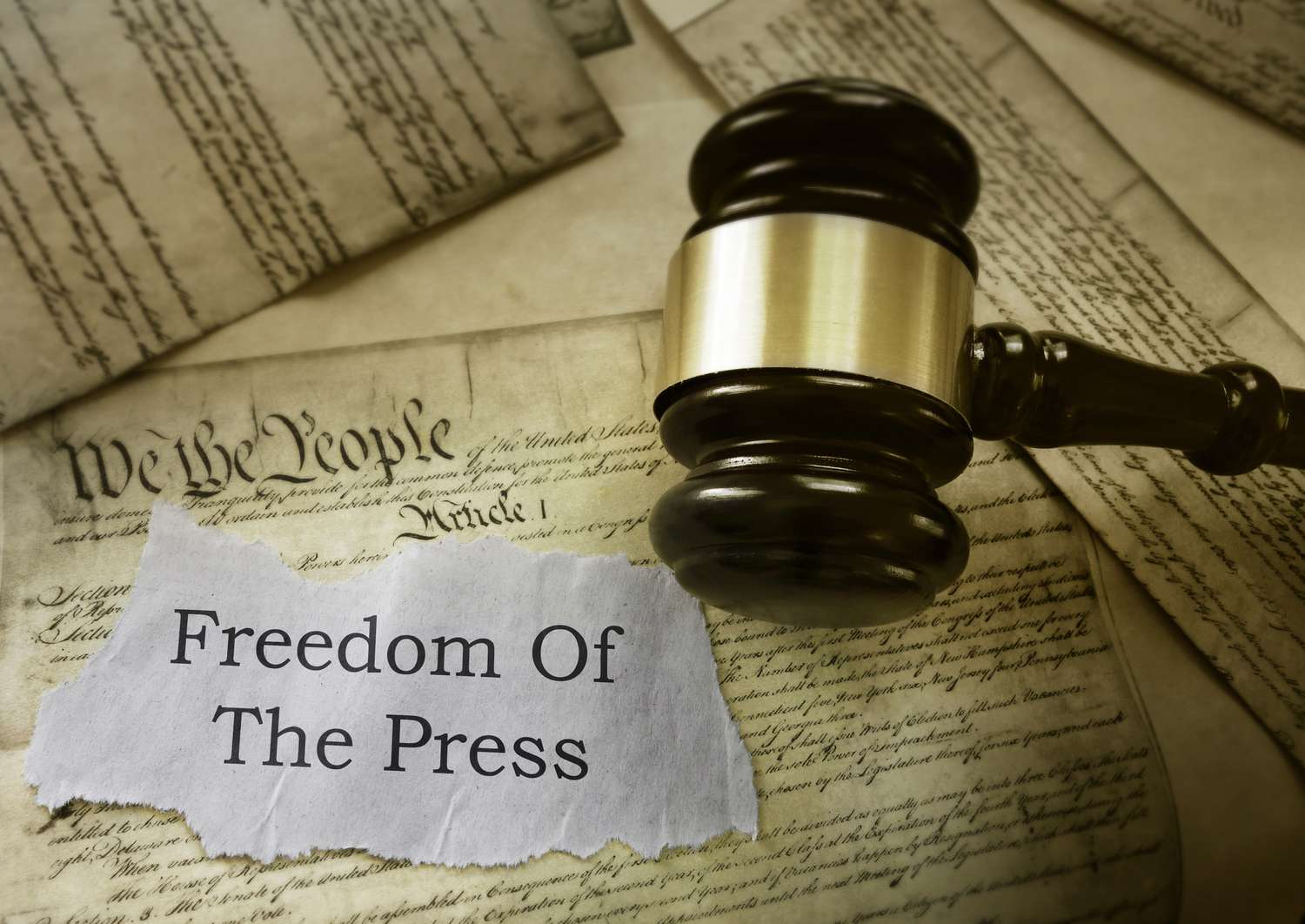
Freedom of the press is one of the fundamental values of any civilized and democratic society. It is the pillar upon which the structure of transparency, accountability, and public awareness is built. When journalism is free, truth comes to light and people gain access to accurate information. The primary purpose of journalism is to deliver facts to the public in an unbiased manner. A free journalist not only reports news but also highlights societal issues. This is why press freedom is often called the voice of the people, as it conveys public concerns to those in power.
In a democratic system, the media is considered the fourth pillar of the state. Alongside the judiciary, legislature, and executive, the media plays a crucial role in monitoring the performance of these institutions. Without press freedom, criticism and accountability of government decisions become impossible, leading to the growth of corruption and injustice. Unfortunately, in many countries around the world, journalists face serious risks while performing their duties, including threats, violence, and even loss of life. In such conditions, the concept of press freedom weakens, and the truth is suppressed.
In Pakistan as well, press freedom faces various challenges. At times, journalists are subjected to pressure, media organizations encounter financial difficulties, and allegations of censorship arise. Despite these obstacles, Pakistani journalists continue striving to fulfill their responsibilities.
In the digital age, journalism has undergone significant transformation. Social media and online platforms have made the exchange of information faster and easier. However, this has also led to the rise of fake news and misinformation, which can damage the credibility of journalism. With freedom comes responsibility—journalists must verify information, maintain impartiality, and avoid sensationalism. Responsible journalism is essential to gaining public trust and bringing positive change to society.
It is the responsibility of governments to ensure the safety of journalists and uphold freedom of expression. Laws should strengthen journalism rather than restrict it. Protecting the rights of journalists is vital for a stable society. Promoting education and awareness is also important for press freedom. An informed public can distinguish between accurate and false information and better understand the importance of journalism, fostering a healthy media culture.
In conclusion, freedom of the press is not only a right but also a responsibility. A free and responsible media is the foundation of a strong, transparent, and democratic society. We must value this freedom and strive to preserve it at all costs.