













Dr.Syed Mehboob
Economic and Political Analyst
http//:www.thenewslark.com
email:drmehboob.thenewslark@gmail.com
It is a story of 47 years of commitment, dedication, sincerity, patriotism of the people, and leadership of the Islamic Republic of Iran. It was the announcement from Ayatollah Kumauni that Iran is no longer a puppet of imperialists, not ready to bow its head before any power, and the people and leadership of Iran adhering to the stringent principles of Tauheed,” monotheism. Since 1979 western powers tried hard to convince and force Iran to accept their dictation, but Iran, its people, and leadership are determined, consistent, and firm not to do so. Western powers imposed wars and sanctions on Iran, but despite Himalayan propaganda, Iran made steady and continuous progress for the last 47 years.
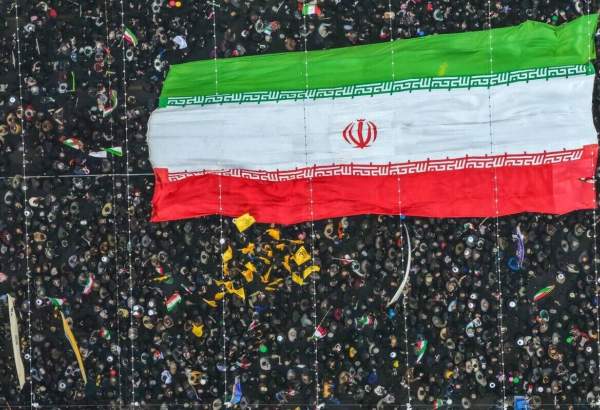
The year 2026 is very important for Iran, its people, and leadership, as after witnessing the genocide of Palestinians in Gaza, imposing unjustified war on Iran, supporting violent and terrorists backed protests, the world wanted to see how Iran is intact, united, and consistent. International media witnessed millions of people across Iran in nearly 1,400 cities who came out in February 2026 to mark the 47th anniversary of Iran and to express their unity, commitment and solidarity with the leadership of Iran. With their warmth and enthusiasm, they braved freezing temperatures, rain, and snow to express their support for the Islamic revolution. It was indeed a befitting response to the enemies of Islam and Iran and their propaganda mouth specially media outlets that have been projecting an image of Iran on the verge of collapse. It did not happen, and Insha Allah will not happen, and their dream will remain a dream Insha Allah. For the last 47 years, the Islamic Republic of Iran faced many crises, all planned and fabricated by imperialists. It faced unjustified, malicious sanctions engineered from abroad. It has faced the assassination of thousands of leading figures, terrorism by imperialists backed by terrorists, internal sabotage, wars, and violence. It has withstood all these challenges and taken unique and remarkable strides in many fields, including scientific and nuclear fields. Iran’s adherence to the principles of Islam surprised the world specially its enemies. The Iranian nation exhibited a great spirit of sacrifice, which enabled it to withstand all this pressure and not to bow to them. Martyrdom is not a weakness; it is a strength of Muslim and this has been exhibited both by Palestinians and Iranians.
Soon after the victory of the Islamic revolution, Iran held a referendum to approve the constitution, and Iran was given the Islamic identity and was called the “ Islamic Republic of Iran”. More than 98% of people cast their votes in favor of this. The victory of the Islamic revolution was preceded by a year of peaceful protests against the brutal US-Zionist alliance and puppet regime of the Shah, who killed more than 80,000 people and then fled the country.
After the Islamic Revolution Iran has brought dividends in many fields, including scientific, nuclear, missile technology, and agriculture. Iranians have found a creative and innovative way to foil the illegal, unethical, and unprincipled sanctions by the United States of America.
After the failure of the twelve-day illegal and criminal war launched jointly by Zionist Israel and the US, the terrible duo instigated an internal insurrection in January, which gave the impression by Western and Indian media that the Islamic revolution was at the end, but by the grace of Almighty Allah and the sincerity of the Iranian leadership, it failed. The US Treasury Secretary Scott Bessent admitted at the Senate hearings that the US engineered the currency collapse.
The Islamic Revolution of Iran represented the collective will of a nation that was grounded in faith, historical identity, and a legitimate aspiration for independence, overcame a dictatorial regime dependent on foreign powers. This historic transformation marked the beginning of national sovereignty, popular participation in governance, and the restoration of the dignity and independence of the Iranian people.
From its inception, the Islamic Republic of Iran has pursued a path based on independence, freedom, justice, and the rejection of domination, a course that has been followed with resilience and continuity despite sustained pressures and challenges.
Over the past five decades, amid complex regional and international developments, the Islamic Republic of Iran has achieved notable progress in various scientific and technological fields by drawing upon domestic capacities, social cohesion, and a skilled and committed human capital.
In the economic sphere, despite unjust sanctions and maximum pressure campaign, tangible progress has been made in industrial production, the expansion of non-oil exports, strengthening of fiscal foundations and diversified and resilient economy. In parallel, progress in social services and infrastructure, including expanded healthcare coverage, substantial self-sufficiency in indigenous production, education etc. have contributed meaningfully to improving citizens’ quality of life.
In foreign policy, the Islamic Republic of Iran has pursued a balanced and constructive approach through active diplomacy, pragmatic engagement, and the expansion of relations with neighboring countries, emerging economies, and key regional and international organizations. Iran considers itself a responsible, independent, and constructive actor at the regional and global levels and has consistently supported dialogue, multilateralism, and cooperation as essential tools for promoting peace, stability, and sustainable development.
Despite the policy of maximum pressure and coercive measures pursued by the United States, the Islamic Republic of Iran entered into negotiations on nuclear-related issues as a demonstration of goodwill and commitment to diplomacy. However, during the course of these efforts, acts of aggression against Iran by the Zionist Regime, with the involvement of the US, resulted in significant human and economic losses.
Public protests regarding economic concerns began on 28 December 2025 and were initially peaceful in nature. These gatherings were subsequently exploited by violent and extremist elements, leading to acts of armed unrest and public disorder.
The Government of the Islamic Republic of Iran remains fully cognizant of its human rights obligations, including the right to peaceful assembly, and has exercised maximum restraint in responding to unrest, while upholding its fundamental responsibility to protect citizens, maintain public order, and safeguard national security. The Iranian people, through vigilance and responsible participation, once again prevented efforts aimed at destabilizing the country.
Today, the Islamic Republic of Iran continues to face coordinated military, political, and narrative pressures. While Iran remains firm and resolute in defending its sovereignty and national security, it remains equally committed to diplomacy as a means of protecting national interests and contributing to regional peace and stability. Respect for national sovereignty and mutual interests constitute the cornerstone of effective diplomacy; accordingly, negotiations conducted under threat, coercion, or demands for unilateral and illegitimate concessions cannot yield constructive outcomes.
On the occasion of the forty-seventh anniversary of the victory of the Islamic Revolution of Iran, we reaffirm our commitment to the causes of the Founding Father and architect of the Islamic Revolution and honor the memory of the revered martyrs of our beloved nation.
The Islamic Revolution of Iran triumphed in 1979 under the leadership of Imam Khomeini overthrowing the structure of the Pahlavi monarchical regime. The Islamic Revolution not only brought about a profound transformation in the political and social structure of the country and led to the revival of Iran’s national and religious identity, but also established a deeper connection between Iran’s rich history and Islamic principles, contributing to the strengthening and promotion of Islamic values in the country’s art and culture. ( Continued)