





















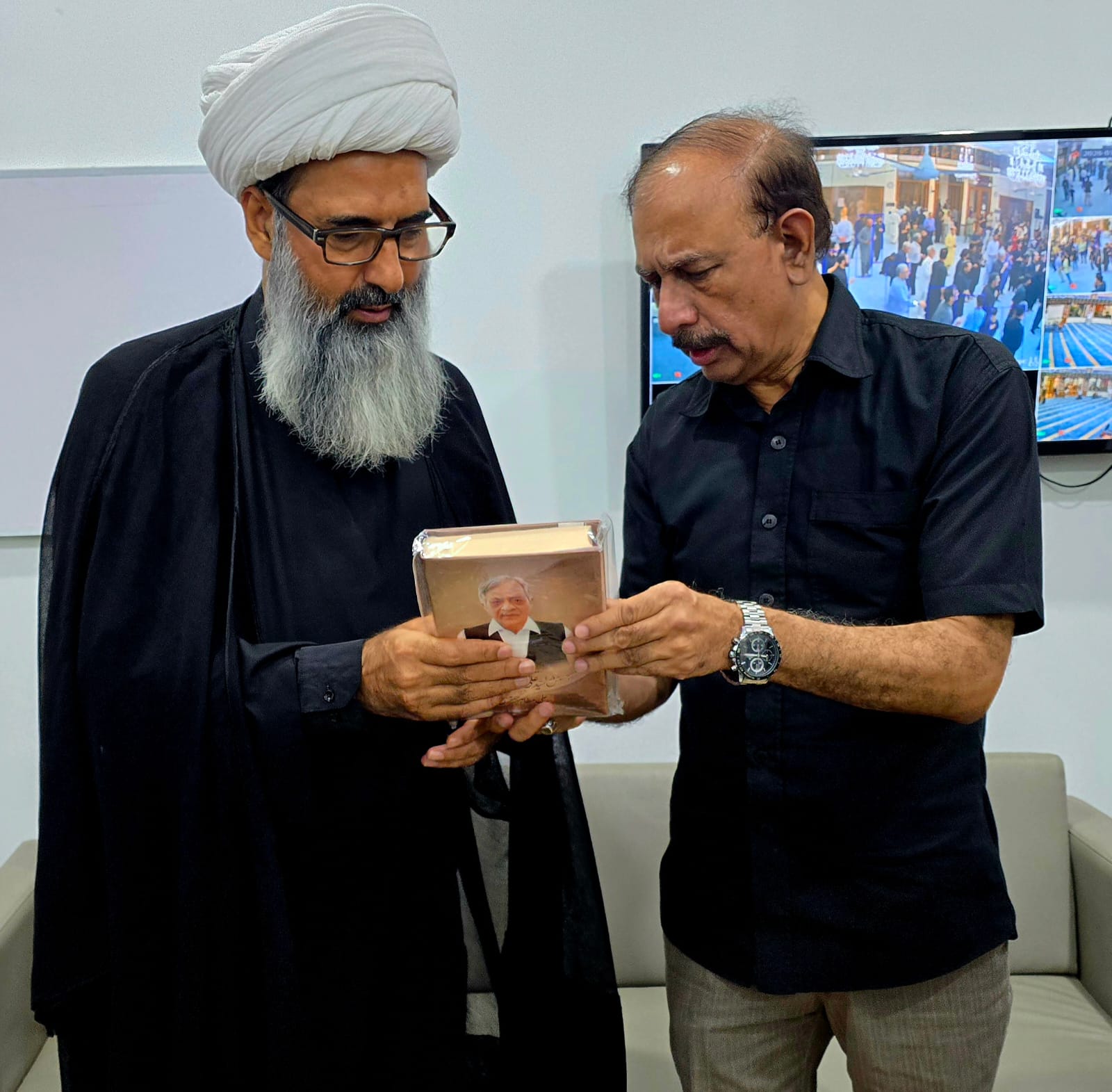

By Brig Syed Karrar Hussain (Retired)
Some journeys begin not with a passport, but with an invitation of the heart.
The evenings of Muharram 1448 Hijri carried a unique fragrance. It was neither the scent of incense nor the cool breeze that swept across Defence, Karachi. It was the fragrance of remembrance, devotion, and knowledge. I found myself walking towards Imam Bargah Hazrat Abu Talib (A.S.), where four Majalis were being held for the Isal-e-Sawab of the late Justice Syed Ali Asghar Jafri. Looking back, I consider my presence there nothing less than a blessing bestowed by Almighty Allah.
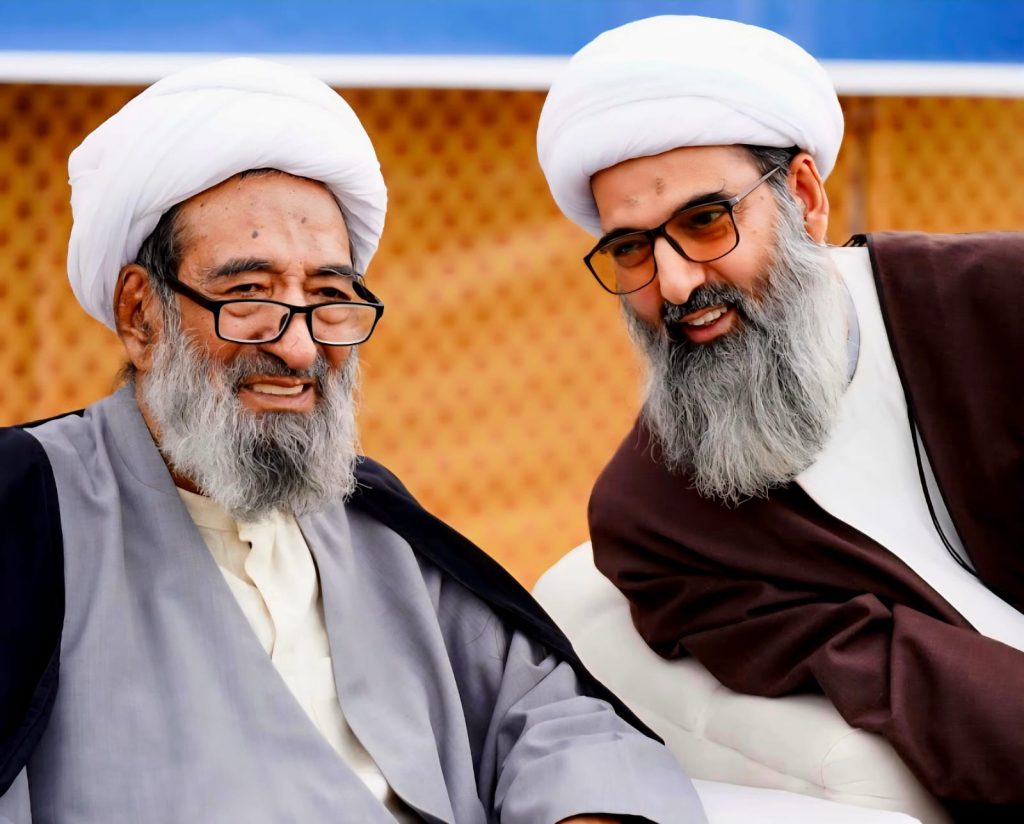
For years, I had heard scholars, friends, and students speak highly of Sheikh Anwar Ali Najafi. His scholarship, clarity of thought, and intellectual depth had earned him immense respect. Yet, hearing about a scholar and listening to him in person are two entirely different experiences. Those four evenings gave me an opportunity that I shall cherish for the rest of my life.
As he ascended the pulpit, there was no theatrical display, no attempt to impress through emotion alone. His calm voice immediately established a connection with the audience. Every sentence appeared carefully weighed, every argument firmly rooted in the Holy Qur’an, authentic traditions, and reason. It was not merely a speech; it was an intellectual conversation with every heart present in the congregation.
His central theme revolved around love—love for Allah, love for the Holy Prophet Muhammad (peace be upon him), and love for the blessed Ahlul Bayt. Yet, this love was not presented as mere emotion. It was described as a complete way of life, transforming one’s character, manners, relationships, and responsibilities towards humanity.
Listening to him, I realised that Islam never separates worship from ethics. Faith without compassion remains incomplete. Devotion without good manners loses its beauty. Sheikh Anwar repeatedly demonstrated that the Holy Prophet (peace be upon him) perfected humanity before perfecting civilisation. His emphasis on humility, patience, forgiveness, honesty, and respect for others reflected the true spirit of Islam.
One of the most remarkable aspects of his lectures was his ability to communicate profound religious concepts in language that educated youth could easily understand. In an age where social media often reduces religion to slogans and arguments, he reminded his audience that Islam is fundamentally a religion of wisdom, balance, mercy, and peace.
Throughout the four Majalis, I experienced not merely intellectual satisfaction but spiritual tranquillity. The atmosphere encouraged reflection rather than reaction. Instead of creating division, his words built bridges between knowledge and action, between faith and modern life.
Such clarity does not emerge overnight. It is the result of decades of scholarship and disciplined study. Sheikh Anwar Ali Najafi belongs to one of Pakistan’s most respected scholarly families. Having received his early education under the guidance of his illustrious father, he continued higher studies in the traditional centres of Islamic learning. Today, he is recognised as a distinguished scholar whose lectures combine classical Islamic scholarship with an understanding of contemporary intellectual challenges.
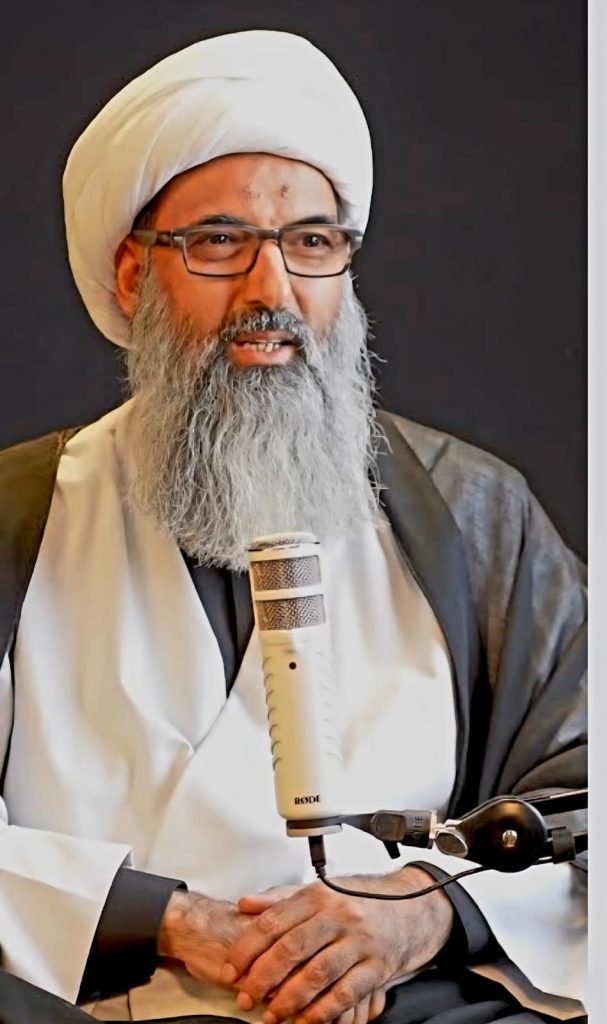
His growing presence through lectures, educational programmes, and digital platforms has enabled thousands of young Muslims across the world to reconnect with the Qur’an and the teachings of the Ahlul Bayt in an informed and thoughtful manner. His ability to answer difficult questions with patience, evidence, and respect has earned him admiration among audiences from diverse backgrounds.
Behind every great scholar often stands another great teacher.
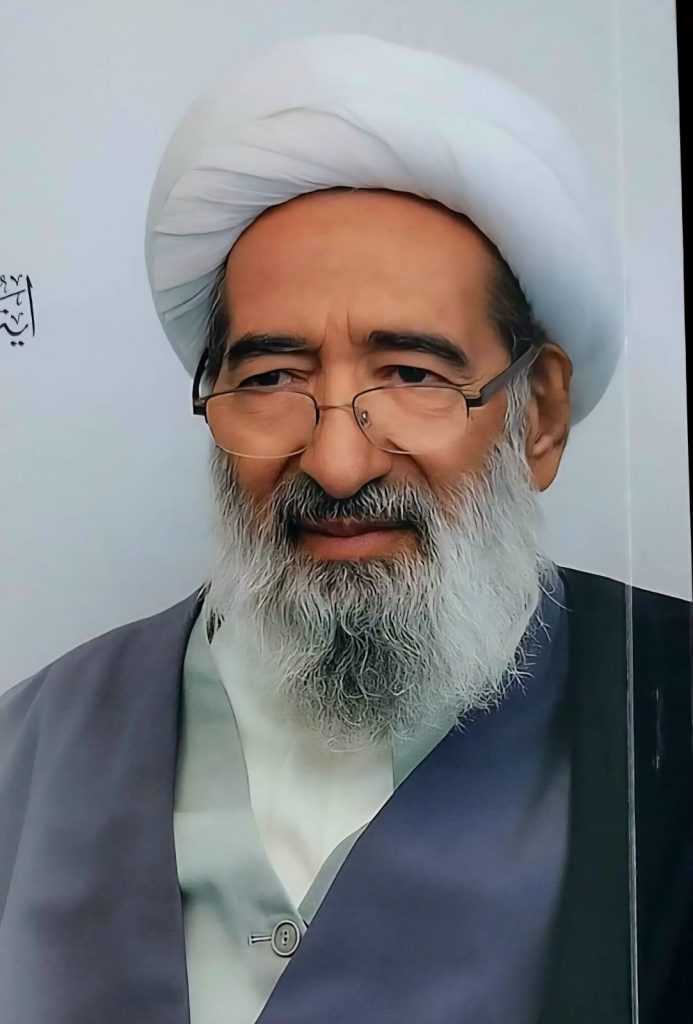
In the case of Sheikh Anwar Ali Najafi, that towering personality was his revered father, Ayatollah Sheikh Mohsin Ali Najafi.
His name occupies a distinguished place in the intellectual history of Pakistan. For decades, he remained one of the country’s most respected Islamic scholars, jurists, Qur’anic commentators, and educators. His services extended far beyond the walls of seminaries. Through institutions, publications, educational reforms, and humanitarian initiatives, he left behind a legacy that continues to inspire scholars and students alike.
Among his greatest academic achievements stands Al-Kauthar fi Tafsir al-Qur’an, an extensive commentary on the Holy Qur’an that reflects profound scholarship combined with clarity of expression. His writings demonstrate how reason and revelation complement each other rather than stand in opposition.
Ayatollah Mohsin Ali Najafi firmly believed that religious scholarship should produce morally responsible human beings capable of serving society. This vision inspired the establishment of educational institutions where religious sciences and contemporary education could progress together. Thousands of graduates from these institutions continue serving Pakistan and the Muslim world as scholars, teachers, researchers, and community leaders.
His passing marked the end of an extraordinary chapter in Pakistan’s religious scholarship. Yet, true scholars never depart completely. Their books continue to teach. Their students continue their mission. Their ideas continue to illuminate minds long after their physical presence has disappeared.
Watching Sheikh Anwar Ali Najafi speak, I could clearly perceive the continuity of that intellectual heritage. While every generation develops its own style, the foundations remain the same—knowledge rooted in sincerity, scholarship strengthened by humility, and faith expressed through service to humanity.
One observation remained with me throughout those four evenings.
Great scholars do not merely provide answers; they teach people how to think. They encourage reflection instead of blind imitation. They replace prejudice with understanding and transform religious gatherings into schools of character building.
Perhaps this explains why the Majalis left such a deep impression upon me. I did not return home carrying only notes in my diary. I returned carrying questions for self-improvement, renewed appreciation for Islamic ethics, and a stronger conviction that the future of the Muslim Ummah depends upon scholars who unite knowledge with wisdom and faith with compassion.
In today’s world, where ideological polarisation, misinformation, and intolerance often dominate public discourse, voices like Sheikh Anwar Ali Najafi deserve careful listening. They remind us that Islam’s greatest strength has never been anger or confrontation; it has always been knowledge, justice, mercy, and noble character.
Those four evenings in Imam Bargah Hazrat Abu Talib (A.S.) were, for me, far more than a series of religious lectures. They became an unforgettable journey of learning, reflection, and spiritual enrichment.
As I left the Imam Bargah after the final Majlis, I looked back for a brief moment. The lights were slowly fading, people were quietly returning to their homes, and silence had begun to replace the voices of the gathering. Yet one truth remained alive within my heart: sincere words spoken for the sake of Allah never fade away. They continue travelling from one heart to another, from one generation to the next.
Perhaps that is the greatest legacy of scholars like Ayatollah Sheikh Mohsin Ali Najafi—and the noble mission that Sheikh Anwar Ali Najafi continues to carry forward with dignity, wisdom, and unwavering devotion.