



















By Brig Syed Karrar Hussain Retired
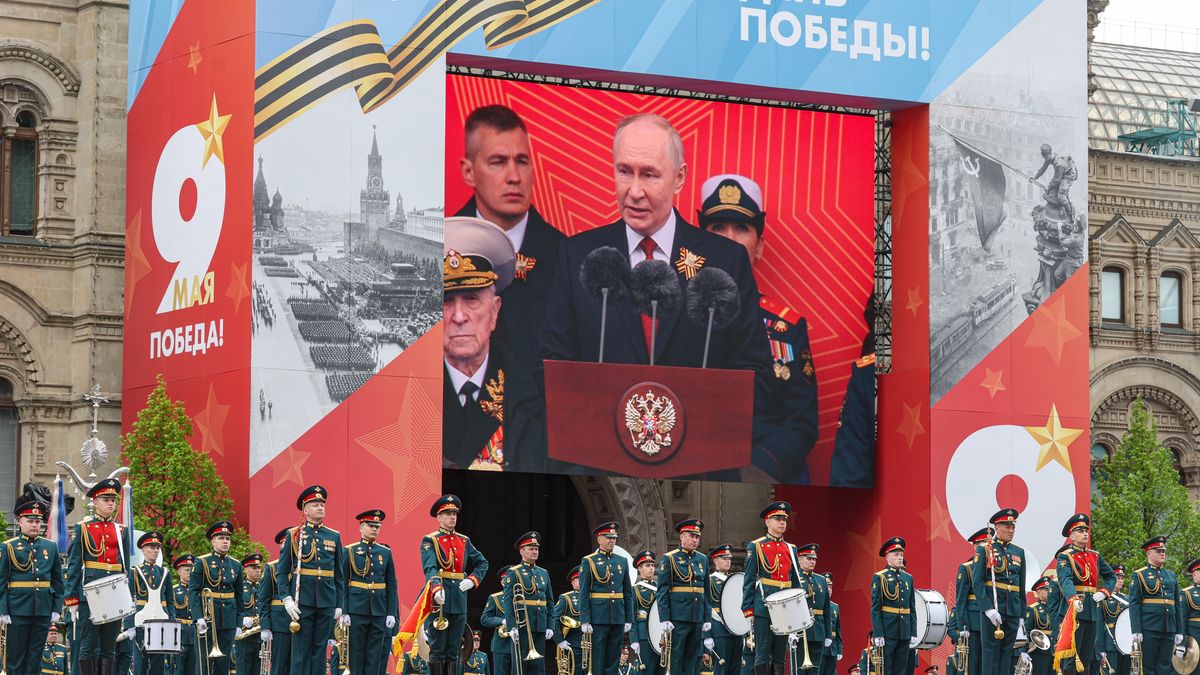
Every year on 9th May, the people of Russia celebrate “Victory Day” with great national pride and emotion. This day commemorates the defeat of Nazi Germany in World War II, particularly the Soviet Union’s historic triumph over the forces of Adolf Hitler. Massive military parades are held in Moscow, veterans are honored, and millions remember the sacrifices of soldiers and civilians who defended their homeland.
Victory Day is not merely a military celebration; it is a reminder of courage, sacrifice, unity, and resilience. The war caused unimaginable destruction, yet it also demonstrated how determination and national unity can overcome even the most powerful aggression. In today’s world, where conflicts and tensions continue to rise globally, the lessons of this historic war remain highly relevant, especially for countries like Pakistan and India.
Causes of the War Between Germany and the Soviet Union
The war between Nazi Germany and the Soviet Union began on 22 June 1941 when Hitler launched “Operation Barbarossa,” one of the largest military invasions in history. Several political, ideological, and strategic reasons led to this conflict.
1. Hitler’s Expansionist Ideology
Adolf Hitler believed in expanding German territory and establishing German supremacy across Europe. He considered Eastern Europe and Soviet territories essential for Germany’s future economic and military dominance. Hitler’s ideology promoted racial superiority and viewed Slavic populations as inferior. Therefore, conquering Soviet lands became one of his major objectives.
2. Fear of Communism
Nazi Germany strongly opposed communism, the political ideology practiced by the Soviet Union under Joseph Stalin. Hitler considered communism a threat to Germany and Europe. He wanted to destroy Soviet influence and eliminate communism from the continent.
3. Economic and Strategic Interests
Germany required oil, food supplies, minerals, and industrial resources to sustain its war machine. Soviet territories possessed rich agricultural lands and energy resources. Capturing these regions would strengthen Germany economically and strategically.
4. Violation of the Non-Aggression Pact
In 1939, Germany and the Soviet Union had signed the Molotov-Ribbentrop Pact, agreeing not to attack each other. However, Hitler never intended to honor the agreement permanently. Once Germany achieved victories in Western Europe, Hitler turned his attention eastward and invaded the Soviet Union.
5. Desire for Global Domination
Hitler aimed to establish Germany as the dominant global power. Defeating the Soviet Union was essential for achieving this ambition. He believed the Soviet state would collapse quickly under German7 military pressure, but history proved otherwise.
Reasons Behind the Soviet Victory
Although Germany initially achieved rapid advances, the Soviet Union ultimately emerged victorious after years of brutal warfare. Several important factors contributed to this historic success.
1. Extraordinary Sacrifices of the Soviet People
The Soviet people displayed unmatched courage and patriotism. Millions of soldiers and civilians sacrificed their lives defending their homeland. Entire cities faced destruction, starvation, and bombardment, yet the people continued resisting German forces.
The siege of Leningrad and the battle of Stalingrad became symbols of determination and national resistance. Soviet citizens endured immense hardships but refused to surrender.
2. Strong Military Leadership
Despite early setbacks, Soviet military leadership adapted effectively. Commanders developed improved defensive and offensive strategies. The Soviet Army gradually regained strength and launched successful counterattacks against German forces.
The Battle of Stalingrad became a turning point in the war. German forces suffered massive losses, and from that point onward, Soviet forces steadily advanced toward Berlin.
3. Harsh Russian Winter
Germany underestimated the severe Russian winter. German troops lacked proper winter clothing, fuel, and logistical support. Freezing temperatures weakened German military operations and reduced troop morale.
Russian forces, being more familiar with the climate and terrain, used winter conditions to their advantage.
4. Industrial Strength and War Production
The Soviet Union relocated many industries eastward away from German attacks. Factories worked continuously to produce tanks, weapons, and ammunition. Soviet industrial capacity played a vital role in sustaining the war effort.
5. National Unity and Patriotism
One of the greatest strengths of the Soviet Union was unity among its people. Citizens from different ethnicities, regions, and backgrounds stood together against foreign aggression. National unity boosted morale and strengthened resistance.
6. Support from Allied Powers
The Soviet Union also received assistance from Allied countries, including the United States and the United Kingdom. Supplies, equipment, and logistical support contributed significantly to sustaining Soviet resistance.
Why does Russia Celebrates Victory Day
Victory Day is celebrated to honor the sacrifices made during the war and to preserve historical memory for future generations.
1. Tribute to Martyrs and Veterans
More than twenty million Soviet citizens lost their lives during the war. Victory Day honors soldiers, civilians, and families who suffered during the conflict.
2. Reminder of National Strength
The victory demonstrated the resilience and strength of the Soviet people. It remains a symbol of patriotism and national pride for modern Russia.
3. Warning Against Fascism and Aggression
The celebrations remind the world about the dangers of fascism, extremism, racism, and militarism. The devastation caused by World War II serves as a warning against aggressive political ideologies.
4. Preservation of Historical Identity
Victory Day helps younger generations understand their national history and the importance of defending sovereignty and independence.
Lessons Learned from the War
The Second World War provided many lessons for humanity. These lessons are especially important for developing countries and regional powers.
1. Unity is Essential for Survival
The Soviet victory proved that national unity can defeat even the strongest enemy. Political divisions, ethnic tensions, and internal conflicts weaken states and make them vulnerable.
Countries like Pakistan and India must recognize that internal stability and social harmony are essential for national progress.
2. Importance of Strong Defense
The war demonstrated the necessity of maintaining strong armed forces and effective defense systems. Nations must remain prepared to protect sovereignty and territorial integrity.
Pakistan and India both possess capable military forces, but military strength should primarily serve deterrence and regional stability rather than confrontation.
3. Dangers of Extremism and Hatred
Hitler’s ideology of hatred and racial superiority caused immense destruction. Modern societies must reject extremism, intolerance, and hatred in all forms.
Religious harmony, mutual respect, and peaceful coexistence are vital for regional peace in South Asia.
4. Economic Strength Determines Military Strength
Wars are not won solely on battlefields. Industrial capability, economic stability, and technological advancement are equally important.
Pakistan and India should focus on education, industry, science, and economic reforms to strengthen their future.
5. Diplomacy is Better than War
World War II caused enormous human suffering and economic devastation. Dialogue and diplomacy are always preferable to armed conflict.
Both Pakistan and India should continue efforts to resolve disputes peacefully through negotiations, confidence-building measures, and regional cooperation.
Lessons for Pakistan and India
South Asia remains one of the world’s most sensitive nuclear regions. Both Pakistan and India have experienced wars, border tensions, and political mistrust. Therefore, the lessons of World War II are particularly relevant.
1. Avoiding Escalation
Modern warfare, especially between nuclear powers, can have catastrophic consequences. Any military escalation could harm millions of people and damage regional economies for decades.
2. Strengthening Regional Cooperation
Instead of hostility, South Asian countries should promote trade, education, tourism, and cultural exchanges. Cooperation can reduce poverty and create opportunities for future generations.
3. Respecting Sovereignty
The invasion of the Soviet Union showed how aggression leads to prolonged destruction. Respect for territorial integrity and international law remains essential for peaceful relations among nations.
4. Investing in Human Development
Resources spent on conflict could instead improve healthcare, education, infrastructure, and employment opportunities. Human development ultimately strengthens national security more effectively than prolonged hostility.
Conclusion
Russian Victory Day on 9th May is one of the most significant commemorations of modern history. It honors the bravery and sacrifices of millions who fought against Nazi aggression during World War II. The Soviet victory was achieved through courage, unity, leadership, sacrifice, and determination.
This historic event also provides important lessons for the modern world. Peace, diplomacy, unity, economic strength, and national resilience remain essential for the survival and progress of nations.
For Pakistan and India, the message is especially important. Both countries possess talented populations, strong institutions, and strategic importance. By learning from history and prioritizing peace, dialogue, and development over confrontation, South Asia can move toward stability and prosperity.
Victory Day, therefore, is not only a remembrance of past triumph; it is also a reminder that humanity must work together to prevent future wars and build a peaceful world for coming generations.